
Dental Implants for Replacing Missing Teeth | Dr. Mohamed Attia Shaisha – Easy Smile
Dental implants are one option for replacing missing teeth, restoring chewing function, and improving the appearance of a smile. At Easy Smile Centers, Dr. Mohamed Attia Shaisha emphasizes the importance of evaluating the mouth and teeth before determining whether dental implants are suitable. Treatment planning depends on gum health, jawbone condition, the patient's general health, and individual needs.
Easy Smile Centers: Branches and Appointment Details
Nasr City Center
Address: 6 Abdel Hamid Lotfy Street, off the Makram Ebeid extension, behind El Serag Mall, above Spinneys Market.
Appointment Phone: 01220207720
Listed working days: Sunday, Tuesday, and Thursday.
El Marg Center
Address: Mostafa El-Zakat Street, El-Warsha Station, next to Tabarak Hospital, above Alfa Laboratory.
Appointment Phone: 01069759716
 What Are Dental Implants?
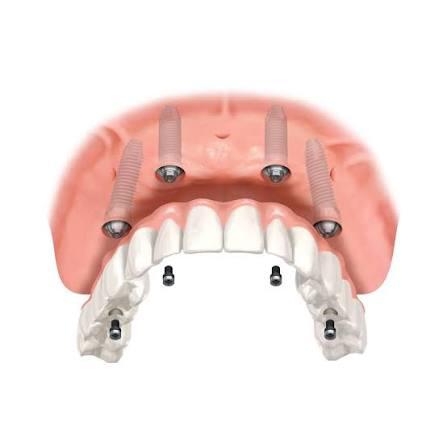
Dental implants are a treatment option for replacing missing teeth. The procedure involves placing an implant in the jawbone to provide support for a replacement tooth that is fitted later. The treatment plan depends on the condition of the bone and gums, the patient's suitability for the procedure, and the required treatment and follow-up steps.
Dental implants differ from conventional dental restorations in how the replacement tooth is supported. A dentist determines the appropriate option based on each patient's condition.
When May Dental Implants Be Suitable?
Dental implants may be suitable for people who have lost one or more teeth. However, suitability cannot be determined solely by the number of missing teeth.
The dentist may need to assess several factors, including:
-
The condition of the jawbone and its ability to support the implant.
-
Gum health and any inflammation that requires treatment.
-
General health and medications taken by the patient.
-
The number and location of missing teeth.
-
Daily oral hygiene and the ability to attend follow-up appointments.
Following the assessment, the dentist can determine whether implants are appropriate or whether additional treatment is needed before the procedure.
Why Is Replacing Missing Teeth Important?
Missing teeth can affect chewing, speech, and the appearance of a smile. Depending on the location of the missing tooth and the patient's bite, tooth loss may also affect how pressure is distributed across the remaining teeth.
Replacing missing teeth aims to restore function and improve appearance while considering the health of the remaining teeth and surrounding tissues. The appropriate restoration is selected after examining the mouth and assessing the patient's needs.
What Examinations Are Needed Before Dental Implant Treatment?
Treatment planning generally begins with an examination of the mouth, teeth, and gums, together with an assessment of the jawbone using the examinations or imaging considered appropriate by the dentist.
This assessment helps determine the implant position, bone condition, any additional treatment required, and the expected steps before the replacement tooth is fitted. Some patients may need gum treatment or other procedures before implant placement.
Are Dental Implants Suitable for Every Patient?
Dental implants are not automatically suitable for everyone. Each case is different, and gum health, bone availability, certain medical conditions, smoking, and oral hygiene may influence treatment planning and the likelihood of success.
An individual assessment is therefore essential before making a decision. The patient should discuss available options, realistic expectations, and the potential treatment timeline with the dentist.
How Should Patients Care for Their Teeth After Implant Treatment?
Daily oral hygiene and regular follow-up help maintain the health of the gums and tissues around the implant. Care may include brushing as instructed by the dentist, using interdental cleaning aids when recommended, and attending scheduled follow-up appointments.
Patients should also contact their dentist if they experience persistent pain, swelling, bleeding, or unusual movement of the restoration so that the cause can be assessed and managed appropriately.
Can Dental Implants Replace More Than One Missing Tooth?
Treatment may involve replacing one tooth or several teeth, depending on the condition of the jaw, the locations of the missing teeth, and the patient's functional and cosmetic needs.
The dentist determines the number of implants and the appropriate restoration design after evaluating the case. There is no single treatment plan that is suitable for every patient.
Dental implants are one available option for replacing missing teeth, but choosing this treatment requires careful assessment of oral health, gum condition, jawbone structure, and general health. A proper examination before treatment and follow-up afterward help establish a plan that reflects the patient's needs and expectations.