
Dental Implants in Mohandessin and Faisal | Dr. Ashraf Lotfy El-Gamal
Dental implants are a treatment option for replacing missing teeth, helping restore chewing function and improve the appearance of a smile. The procedure involves placing an implant into the jawbone to replace the missing tooth root, followed by an appropriate dental restoration according to the treatment plan. The suitable approach varies depending on gum health, bone availability, the number of missing teeth, and overall health. If you are considering dental implants, a thorough assessment is an important first step in determining whether the procedure is suitable for you. Dr. Ashraf Lotfy El-Gamal’s clinics in Mohandessin and Faisal provide contact options for appointment inquiries.
Dr. Ashraf Lotfy El-Gamal’s Clinic Locations
Mohandessin Branch
Address: 9 Abdel Hamid Lotfy Street, off El-Batal Ahmed Abdel Aziz Street, Mohandessin, Giza.
Contact: 01206666199
Faisal Branch
Address: 401 Faisal Main Street, El-Talbiya Station, Giza, second and fourth floors.
Contact: 01143477710
What Are Dental Implants?
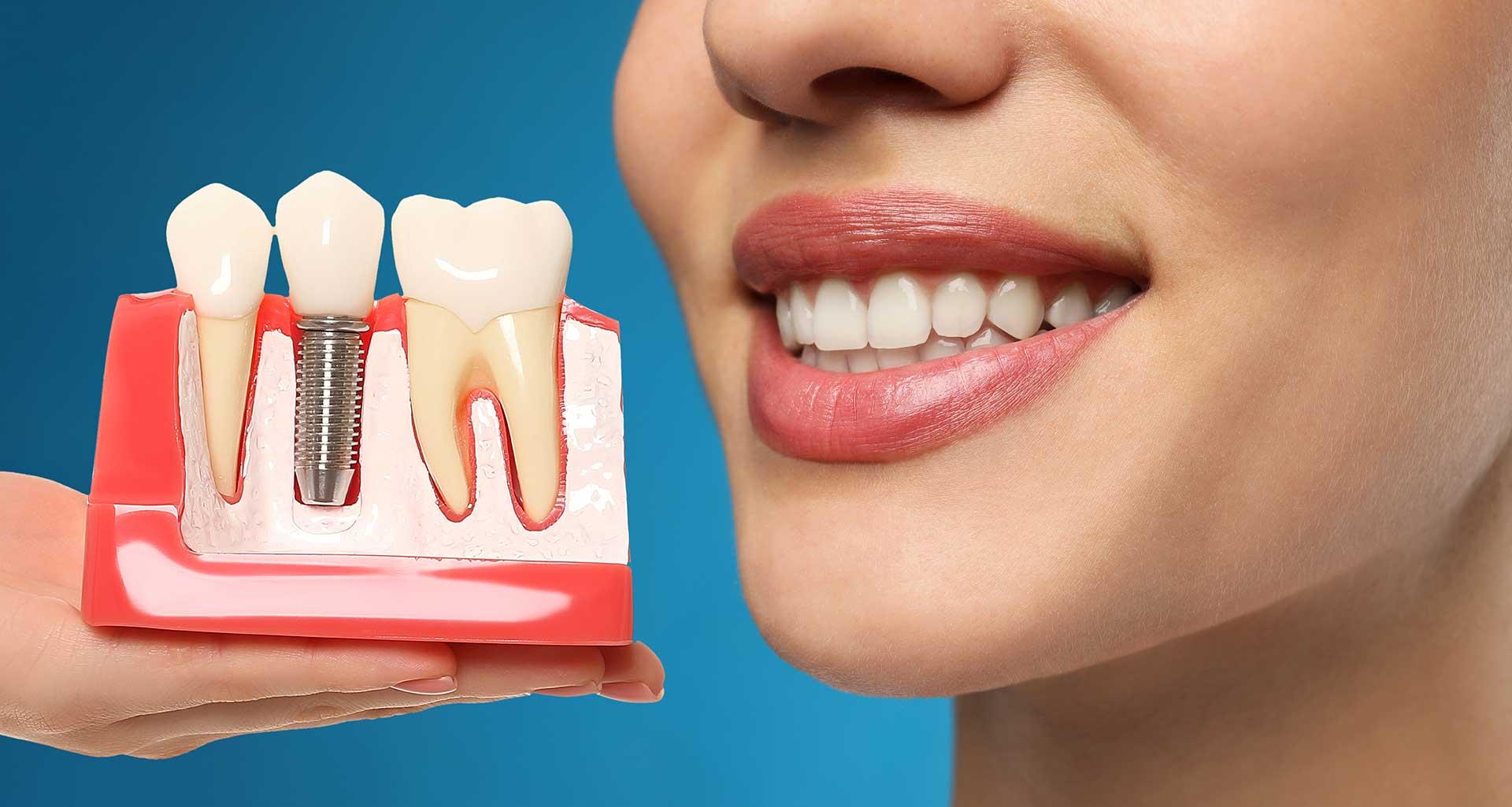
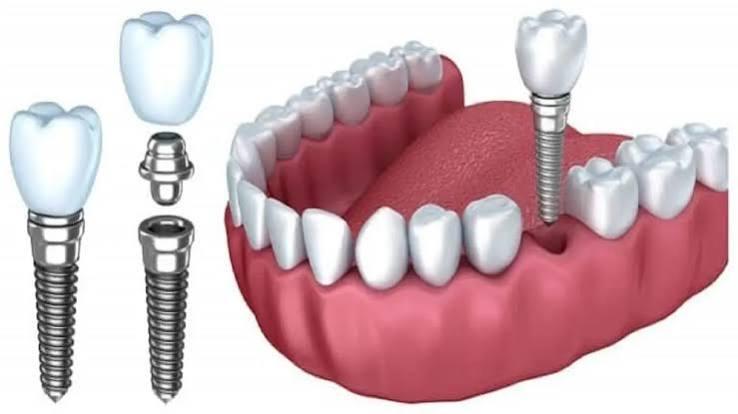
Dental implants are used to replace missing teeth by placing an implant into the jawbone. The implant is commonly made of titanium or another material designed for medical use. It serves as an artificial tooth root, supporting a connecting component and a dental crown or other suitable restoration.
Unlike some conventional bridges, which may rely on neighboring teeth for support, an implant can provide independent support for a replacement tooth in appropriate cases.
Dental implants may be used to replace a single tooth, several missing teeth, or support a full-arch restoration. The choice depends on the number of missing teeth, jawbone condition, gum health, and the patient’s functional and aesthetic needs.
When May Dental Implants Be Suitable?
Dental implants may be considered for people who have lost one or more teeth and want a fixed replacement. However, suitability must be determined through an assessment of the mouth and overall health.
Situations in which implants may be considered include:
-
Loss of a tooth due to severe decay or injury.
-
Loss of several teeth that affects chewing.
-
The need for a fixed dental restoration.
-
Cases in which other replacement options may not be suitable.
-
The need to support a dental restoration as part of a specific treatment plan.
Wanting dental implants does not automatically mean that the procedure is appropriate for every patient. Some people may need gum treatment or management of insufficient jawbone before proceeding.
What Are the Main Steps in Dental Implant Treatment?
Dental implant treatment generally involves several stages, although the sequence and timing vary according to the patient’s condition and the treatment approach.
Assessment and Planning
Treatment begins with an examination of the teeth and gums and an assessment of the jawbone. Appropriate imaging may be requested to evaluate bone dimensions and the location of nerves and other important anatomical structures. This information helps determine implant placement and plan the final restoration.
Implant Placement
The implant is placed into the jawbone through a surgical procedure planned according to the patient’s needs. The procedure depends on the condition, the number of implants required, and the complexity of the case.
Healing and Integration
After placement, the bone needs time to heal and integrate with the implant surface. The healing period varies depending on bone condition, general health, implant location, and the type of procedure performed.
Placement of the Dental Restoration
Once the implant is ready for the next stage, the appropriate restoration is fitted, such as a crown, bridge, or another prosthesis. The dentist considers tooth appearance, bite alignment, and chewing function when planning the restoration.
Can Dental Implants Be Placed When Jawbone Is Insufficient?
This depends on the amount and location of the bone deficiency and the bone available to support the implant. In some cases, there may not be enough bone to place an implant in the intended position.
The dentist may consider additional procedures, such as bone grafting or sinus lifting in selected cases, if medically appropriate. These procedures are not necessary for every patient, and the need for them can only be determined through an examination and suitable imaging.
What Factors Affect Dental Implant Success?
Outcomes depend on several factors, and success cannot be guaranteed in every case. Important considerations include:
-
The amount and quality of the jawbone.
-
The health of the gums and surrounding tissues.
-
Following post-procedure instructions.
-
Maintaining good oral hygiene.
-
Smoking and its potential effects on healing.
-
Certain medical conditions or medications that may affect bone healing.
-
Regular follow-up and examination of the implants and restorations.
Assessing these factors before treatment is an important part of planning. Daily care and regular follow-up also help maintain the health of the tissues surrounding the implant.
Are Dental Implants Painful?
Implant placement is generally performed under local anesthesia, so sharp pain should not be expected during the procedure when appropriate anesthesia is used. After the anesthetic wears off, some pain, swelling, or discomfort may occur, particularly during the first few days.
The level of discomfort varies according to the number of implants, the complexity of the procedure, and the condition of the surrounding tissues. The dentist can provide appropriate aftercare instructions and medication guidance. Contact the dentist if pain or swelling becomes significantly worse or unusual symptoms develop.
How Long Does Dental Implant Treatment Take?
There is no single timeline that applies to every patient. Bone healing around the implant may take several months, and cases requiring additional procedures may take longer.
The timeline depends on jawbone and gum health, the number of implants, whether bone grafting is needed, and the body’s healing response. In selected cases, a temporary restoration or a different protocol may be possible, but this requires careful assessment and is not suitable for everyone.
How Can You Care for Dental Implants After Placement?
Implants require regular care to maintain gum health and the surrounding tissues. General recommendations include:
-
Cleaning the teeth and restorations daily using appropriate techniques.
-
Using interdental cleaning tools as advised by the dentist.
-
Attending regular follow-up appointments.
-
Avoiding smoking, particularly during the healing period.
-
Informing the dentist about persistent pain, bleeding, swelling, or unusual movement of the restoration.
-
Following the dentist’s instructions about food and post-procedure care.
An implant does not develop tooth decay like a natural tooth, but the gums and surrounding tissues can still develop problems. Good hygiene and follow-up remain essential.
Dental Implants in Mohandessin and Faisal with Dr. Ashraf Lotfy El-Gamal
If you are considering replacing a missing tooth or want to know whether dental implants may be appropriate for you, the first step is an examination of your gums and jawbone and a discussion of available treatment options.
You can contact Dr. Ashraf Lotfy El-Gamal’s clinics to ask about appointments at either location.
Mohandessin Branch
9 Abdel Hamid Lotfy Street, off El-Batal Ahmed Abdel Aziz Street, Mohandessin, Giza.
01206666199
Faisal Branch
401 Faisal Main Street, El-Talbiya Station, Giza, second and fourth floors.
01143477710
Can More Than One Implant Be Placed in a Single Session?
This may be possible in selected cases, depending on the number of missing teeth, jawbone and gum health, and the patient’s overall condition. The dentist determines the appropriate plan and timing after assessment. Placing several implants during one session does not necessarily mean that the final restorations can be fitted at the same time in every case.
Do Dental Implants Need Follow-Up After the Crown Is Fitted?
Yes. Follow-up helps assess gum health and the tissues around the implant, examine the restoration and bite, and identify problems early. The dentist can also determine whether oral care instructions need adjustment or additional examinations are required.
Dental implants can replace missing teeth and provide stable support for restorations in suitable cases. However, treatment planning depends on gum health, jawbone condition, overall health, and each patient’s functional and aesthetic needs.
If you are considering dental implants, contact Dr. Ashraf Lotfy El-Gamal’s clinics in Mohandessin or Faisal to ask about appointments and discuss options appropriate for your condition.