Dental Prosthetics | British ProCare Dental Clinics
If you are looking for a solution to restore the appearance and function of your teeth after losing or damaging one or more teeth, dental prosthetics can help improve your smile and restore your ability to chew and speak more comfortably. At British ProCare Dental Clinics, you can ask about the dental prosthetic options suitable for your case and arrange an appointment in advance by calling 01098674777, or contact the clinic via WhatsApp for inquiries and appointment booking.
What Are Dental Prosthetics?
Dental prosthetics are restorative solutions used to replace missing teeth or restore teeth that have been significantly damaged or worn down. The appropriate type of prosthetic treatment varies from one patient to another, which is why treatment usually begins with an evaluation of the teeth, gums, and jaw before selecting the most suitable option.
Dental prosthetics are not only important for improving appearance. They can also help restore dental function and improve the ability to eat and speak more naturally.
When Might Dental Prosthetics Be Needed?
Dental prosthetics may be suitable in several situations, including:
- Missing one or more teeth.
- Broken or severely damaged teeth.
- Worn teeth that have affected appearance or function.
- The need to replace missing teeth after appropriate treatment.
- The desire to improve the appearance of the teeth as part of a comprehensive treatment plan.
The dentist determines the most appropriate option after examining the condition of the teeth and gums, as well as the number of affected teeth and the condition of the surrounding teeth.
Types of Dental Prosthetics
There are different types of dental prosthetics, and the appropriate choice depends on the patient's condition and treatment goals.
Fixed Dental Prosthetics
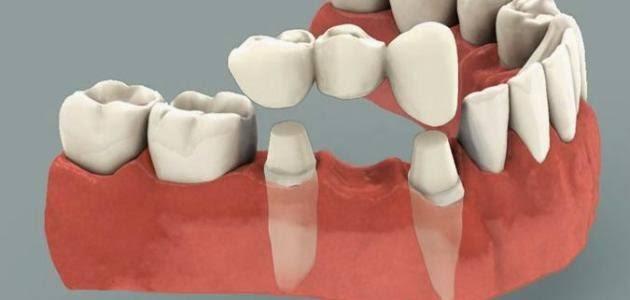
Fixed prosthetics include options such as crowns and bridges. They are designed to match the natural appearance of the teeth while helping restore dental function and appearance.
Crowns may be used when a tooth requires coverage and support, while bridges can be used to replace a missing tooth by relying on neighboring teeth when appropriate and after professional evaluation.
Removable Dental Prosthetics
Removable prosthetics may be used in cases involving the loss of several teeth or more extensive tooth loss. They can be removed and inserted by the patient according to the dentist's instructions.
The suitability of this option depends on factors such as the number of missing teeth, the condition of the mouth and gums, and the patient's individual needs.
Dental Prosthetics Supported by Implants
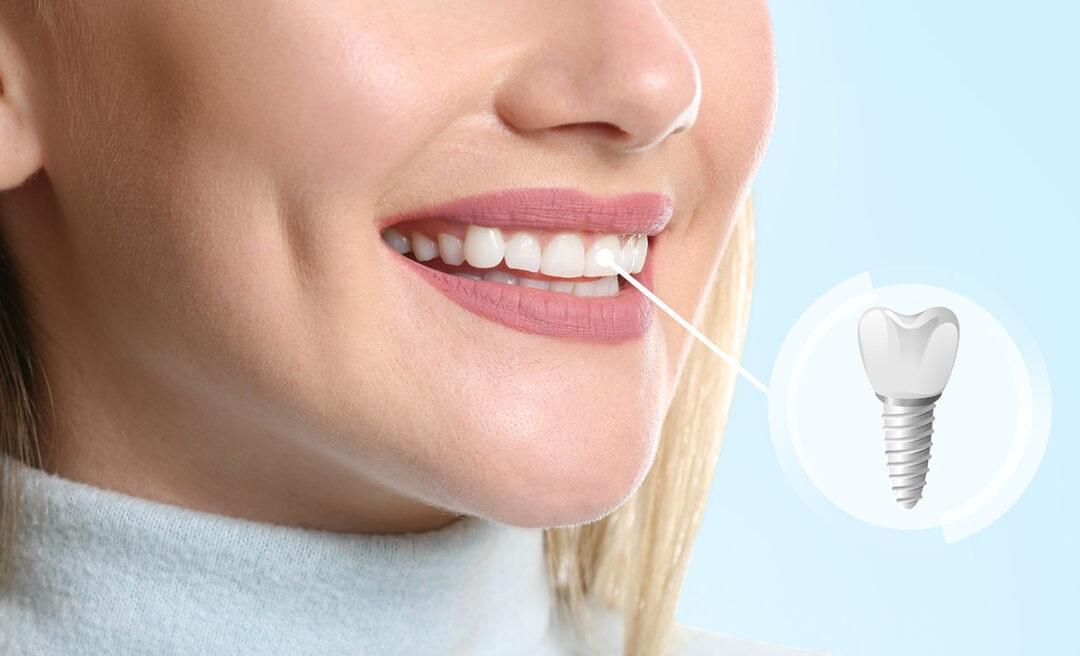
In some cases, missing teeth can be replaced with prosthetics supported by dental implants. The implant provides support for the prosthetic restoration rather than relying on neighboring teeth. However, implant-supported prosthetics are considered only after a comprehensive evaluation of the patient's condition.
Why Is Choosing the Right Prosthetic Important?
Choosing a dental prosthetic is not based on appearance alone. Several factors need to be considered, including the condition of the teeth and gums, the number of missing teeth, the location of the tooth, and the intended function of the restoration.
A properly designed prosthetic can also help achieve a more harmonious appearance with the remaining natural teeth while taking comfort and function into consideration.
Dental Prosthetics and Aesthetic Appearance
Aesthetic appearance has become an important part of many dental treatment plans, particularly when the front teeth are affected.
Properly designed dental prosthetics can improve the appearance of the teeth and smile while considering the color, size, and shape of the restoration in relation to the patient's natural teeth and overall oral condition.
However, achieving an appropriate result does not depend solely on the material used. Proper diagnosis, treatment planning, design, and precise execution are also important factors.
How Is the Right Type of Prosthetic Determined?
The process begins with an examination of the teeth and gums and a comprehensive assessment of the patient's condition. Depending on the case, the dentist may also recommend X-rays or additional examinations.
The dentist then determines which teeth require treatment or replacement and selects the most appropriate type of prosthetic restoration according to the patient's condition, needs, and treatment goals.
For this reason, there is no single type of dental prosthetic that is suitable for every patient. Each case requires an individual assessment and an appropriate treatment plan.
Caring for Dental Prosthetics
After receiving a dental prosthetic, daily oral care remains important for maintaining healthy teeth and gums and taking care of the restoration.
Regular care includes cleaning the teeth and prosthetic according to the dentist's instructions, maintaining good gum health, attending regular follow-up appointments, and informing the dentist if any pain or problem develops.
Any issue that appears after the restoration should not be ignored, as identifying it early can make it easier to address.
Why Start With the Right Treatment Plan?
Dental prosthetics are not simply a way to improve the appearance of a smile. They are part of a treatment plan designed to restore dental function and improve appearance as much as possible.
Therefore, proper examination, accurate identification of the problem, and selection of the appropriate prosthetic are important steps toward achieving a satisfactory result that meets each patient's individual needs.
Book Your Appointment at British ProCare Dental Clinics
If you need to replace a missing tooth or have damaged teeth and are looking for suitable dental prosthetic options, you can contact British ProCare Dental Clinics to ask about treatment options and book an appointment.
📞 Phone: 01098674777
💬 Clinic WhatsApp: For quick inquiries and appointment booking
📍 Address: Eterna Healthcare City, Medical Building, Fifth Settlement, New Cairo, Egypt.
🕒 Working Hours: Appointments are arranged in advance by phone. Please call to book your appointment and avoid long waiting periods.