
Diabetes and Endocrine Disorders in Haram | Dr. Ramez Bader Ramzy
Introduction
Diabetes and endocrine disorders can affect many body functions, from blood glucose regulation to metabolism, growth, and hormonal balance. Dr. Ramez Bader Ramzy is a point of contact for people seeking medical assessment of conditions related to diabetes and the endocrine system. Symptoms and treatment options vary according to the nature of the condition and its effects on the body. Accurate diagnosis and regular follow-up help determine an appropriate management plan, improve disease control, and reduce the risk of complications.
Dr. Ramez Bader Ramzy Clinic: Contact Information
📍 Address: 230 Haram Street, Zizinia Mall, Fifth Floor, Haram, Giza.
📞 For appointments and inquiries:
What Are Diabetes and Endocrine Disorders?
Endocrinology is the medical field concerned with glands that produce hormones and regulate their activity in the body. These include the pancreas, thyroid gland, pituitary gland, and adrenal glands, among others. Hormones influence growth, metabolism, and several essential bodily functions.
Diabetes is associated with elevated blood glucose levels because the body does not produce enough insulin, does not respond to insulin effectively, or experiences another problem affecting glucose regulation. The underlying mechanism varies according to the type of diabetes.
Endocrine disorders also differ in their causes, symptoms, and treatment. Some require regular monitoring and laboratory testing, while others may need specific medication or lifestyle adjustments based on medical assessment.
What Are the Symptoms of Diabetes?
Diabetes symptoms vary from person to person. Type 2 diabetes can develop gradually and may cause few or no noticeable symptoms in its early stages.
Symptoms associated with elevated blood glucose may include:
-
Increased thirst.
-
Frequent urination, particularly at night.
-
Fatigue and low energy.
-
Unexplained weight loss.
-
Blurred vision.
-
Slow wound healing.
-
Recurrent infections.
-
Tingling or numbness in the hands or feet in some cases.
These symptoms do not automatically indicate diabetes, but they may warrant appropriate testing. The absence of symptoms does not rule out the condition either. A doctor may recommend screening when risk factors are present, such as excess weight or a family history of diabetes.
What Are the Types of Diabetes?
Diabetes has different types, depending on the cause and the problem affecting glucose regulation.
Type 1 Diabetes
Type 1 diabetes occurs when the immune system attacks the insulin-producing cells in the pancreas, leaving the body unable to produce enough insulin. People with this type need insulin treatment. Symptoms may develop rapidly, particularly in children and young adults, although the condition can occur at other ages.
Type 2 Diabetes
Type 2 diabetes occurs when the body does not respond effectively to insulin, and insulin production may decrease over time. Genetic factors, lifestyle, excess weight, and other health factors can contribute to its development.
Treatment depends on the individual case and may include dietary adjustments, physical activity, medication, or insulin when required.
Gestational Diabetes
Gestational diabetes develops during pregnancy in some women and may cause no obvious symptoms. A healthcare professional determines the appropriate screening based on medical guidance. Identifying and managing the condition helps reduce risks for both the mother and the baby.
How Is Diabetes Diagnosed?
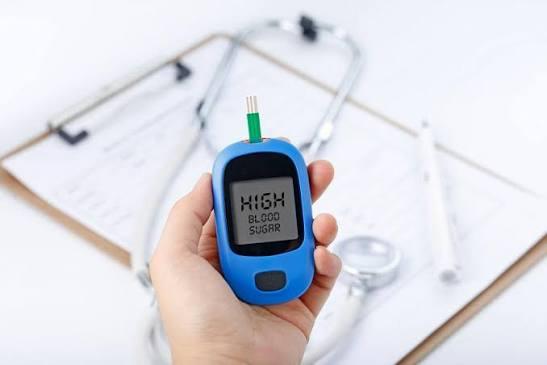
Diabetes is diagnosed through blood tests. Symptoms alone or a single home glucose reading should not be used as the sole basis for confirming the condition.
Tests may include:
-
Fasting blood glucose: Measures glucose after the required fasting period.
-
HbA1c test: Estimates average blood glucose over the preceding few months.
-
Oral glucose tolerance test: Assesses how the body responds to glucose under specified conditions.
-
Random blood glucose: May be appropriate in selected situations, particularly when symptoms are present.
The doctor selects the appropriate test based on symptoms, medical history, and overall health. Repeat testing or additional investigations may be needed to confirm the diagnosis or identify the type of diabetes.
What Are Common Endocrine Disorders?
Endocrine disorders vary according to the hormone or gland affected and may have different effects on the body.
Thyroid Disorders
An underactive thyroid produces insufficient thyroid hormones and may be associated with fatigue, feeling unusually cold, constipation, or weight changes. An overactive thyroid may cause palpitations, sweating, heat intolerance, tremors, and weight changes.
These symptoms are not sufficient to confirm a thyroid condition. Evaluation generally involves a clinical assessment and hormone testing, with other investigations when indicated.
Pituitary Disorders
The pituitary gland helps regulate several hormones related to growth and the function of other endocrine glands. Some pituitary disorders may affect growth, menstrual cycles, or thyroid and adrenal function, depending on the underlying problem.
Adrenal Gland Disorders
The adrenal glands produce hormones that contribute to blood pressure regulation, the body's response to stress, and aspects of metabolism. Disorders affecting these glands may influence hormone levels, blood pressure, and energy. Specific investigations may be needed to identify the cause.
Other hormonal conditions also exist. The appropriate tests depend on the patient's symptoms and clinical assessment rather than ordering every available test without a clear indication.
How Are Diabetes and Endocrine Disorders Treated?
There is no single treatment plan for all patients. Management depends on the diagnosis, type and severity of the condition, age, and overall health.
Diabetes management may include meal planning, physical activity, glucose monitoring, and medication or insulin when needed. Monitoring blood pressure, cholesterol, kidney function, eye health, nerves, and feet is also important in reducing the long-term risk of complications.
Treatment of endocrine disorders depends on the underlying hormonal problem. Some patients may need replacement of a hormone that is deficient, while others may require medication to reduce excessive hormone production or treatment directed at the underlying cause.
Medication doses should not be changed or stopped without medical advice, especially for people who depend on insulin or medicines that affect hormone levels.
Why Is Regular Follow-Up Important for People with Diabetes?
Regular follow-up helps assess how well the treatment plan is working and whether adjustments are required. Appointments may include reviewing glucose readings, laboratory results, medicines, and changes in weight or daily activity.
Appropriate routine screening can also help identify complications early, including problems affecting the eyes, kidneys, nerves, and feet.
The frequency of visits and the tests required vary according to the type of diabetes, level of glucose control, and the patient's overall health.
When Is Urgent Medical Attention Needed?
A person with diabetes needs urgent medical assessment if severe symptoms develop, such as persistent vomiting, abdominal pain with deep or rapid breathing, confusion, or extreme drowsiness. These may indicate an acute complication that requires hospital treatment.
Loss of consciousness or seizures in a person with a suspected blood glucose problem also require emergency medical assistance. Do not wait for a routine clinic appointment if these warning signs occur.
Diabetes and Endocrine Care with Dr. Ramez Bader Ramzy
If you have symptoms that may be related to elevated blood glucose or a hormonal disorder, or need follow-up for a previously diagnosed condition, medical assessment is important to identify the problem and determine the appropriate investigations.
You can contact Dr. Ramez Bader Ramzy to inquire about an appointment at the clinic address in Haram, Giza. The management plan depends on examination findings, laboratory tests, and each patient's medical history.