
🩺 Diabetic Foot Treatment | Dr. Mohamed Mansour Kamel General Surgery Clinic in Mohandessin
Diabetic foot is a condition that requires early medical attention, especially when wounds, ulcers, skin changes, or signs of infection appear. Some cases may become more complicated without appropriate assessment and care, so early diagnosis can help determine the nature of the problem and develop a suitable treatment plan.
At Dr. Mohamed Mansour Kamel General Surgery Clinic in Mohandessin, diabetic foot cases can be evaluated and surgical problems related to wounds, ulcers, and their complications can be followed up according to each patient's condition.
📞 For appointments and inquiries:
01140201777
01119639404
🩺 What Is Diabetic Foot?

Diabetic foot refers to a range of foot problems that may affect some people with diabetes, particularly those experiencing diabetic neuropathy, poor circulation, or delayed wound healing.
A problem may begin with a small cut, scratch, or minor injury and, in some cases, develop into a more complicated condition if it is not properly cared for and medically monitored.
For this reason, unusual changes in the foot should not be ignored by people with diabetes.
🔎 What Are the Symptoms of Diabetic Foot?
Diabetic foot problems can appear in different ways, including:
- A wound or ulcer that does not heal easily.
- Redness or swelling of the foot.
- Pain or changes in sensation.
- Changes in skin color.
- Discharge from a wound.
- An unusual odor coming from the wound.
- Increased warmth around the affected area.
- Dark areas or noticeable changes in the tissue.
These symptoms require medical evaluation, particularly when they are progressing rapidly.
🩹 Why Do Diabetic Foot Wounds Require Medical Follow-Up?
Wounds may heal more slowly in some people with diabetes. Reduced sensation in the feet may also make it difficult for patients to notice an injury in its early stages.
Early medical care can help assess the extent of the wound and may help prevent the condition from developing into a more complicated problem.
Treatment depends on the nature and size of the wound, the presence of infection or circulation problems, and the patient's overall health.
🧪 How Is Diabetic Foot Evaluated?
Medical evaluation begins with examining the foot and wound and reviewing the patient's medical history.
Assessment may include:
🔍 Wound Examination
Evaluating the location, size, depth, and condition of the surrounding tissues.
🩸 Circulation Assessment
The doctor may assess blood flow to the foot, particularly when there are signs of reduced circulation.
🧠 Sensation Assessment
Sensation in the foot may be evaluated to determine whether diabetic neuropathy is present.
🧪 Tests and Imaging
Depending on the condition, additional laboratory tests or imaging studies may be required.
⚕️ Diabetic Foot Treatment
There is no single treatment that is appropriate for every diabetic foot case. Treatment depends on the underlying cause and severity of the condition.
Depending on the patient's condition, treatment may include:
- Proper wound care and dressing changes.
- Removal of unhealthy tissue when medically necessary.
- Treatment of infections when present, based on medical evaluation.
- Reducing pressure on the affected area.
- Monitoring blood glucose levels in coordination with the treating physician.
- Assessing blood circulation when necessary.
- Surgical intervention in cases where it is medically indicated.
The treatment plan is determined after a complete assessment of the patient's condition.
🩺 The Importance of Blood Sugar Control
Managing blood glucose levels is an important part of dealing with diabetes-related complications, as elevated blood sugar can affect the body's ability to fight infection and heal wounds.
Some diabetic foot patients may therefore require coordinated care involving surgery and other medical specialties depending on their individual condition.
🚨 When Should You Seek Medical Care Quickly?
Medical evaluation should not be delayed if concerning symptoms appear, such as:
- Spreading redness or swelling.
- A significant increase in pain.
- Discharge from the wound.
- Changes in skin or tissue color.
- A strong or unusual odor from the wound.
- Fever.
- Rapid worsening or enlargement of the wound.
If severe symptoms or rapid deterioration occur, urgent medical attention should be sought.
👨⚕️ Surgical Follow-Up for Diabetic Foot Cases
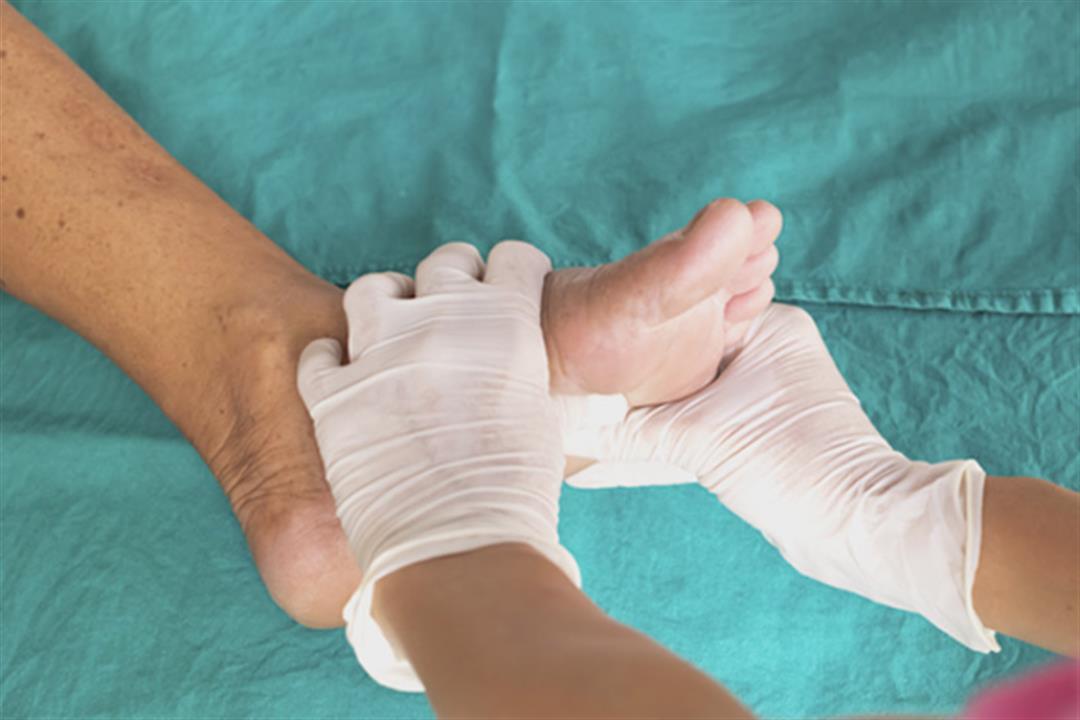
Some cases may require regular surgical follow-up, particularly when deep ulcers or wounds are present or when damaged tissue requires assessment and treatment.
The duration and type of follow-up vary according to the nature of the condition and the patient's response to treatment.
Patients should therefore follow their medical appointments and instructions and should not rely solely on home treatment when a wound or infection is present.
🏥 Dr. Mohamed Mansour Kamel General Surgery Clinic in Mohandessin
Dr. Mohamed Mansour Kamel General Surgery Clinic in Mohandessin provides evaluation of surgical conditions and diabetic foot problems, with treatment decisions based on each patient's medical condition.
If you have a foot wound and diabetes, medical evaluation is recommended to determine the nature of the problem and whether treatment or follow-up is required.
📞 Book Your Appointment Now
Contact Dr. Mohamed Mansour Kamel General Surgery Clinic in Mohandessin for appointments and inquiries regarding diabetic foot conditions.
Early medical assessment of any wound or unusual change in the foot is important, as prompt management may help protect the foot and reduce the risk of complications.
The information provided in this article is for general awareness and does not replace a direct medical examination. Diabetic foot treatment varies from one patient to another depending on the severity of the condition and the patient's overall health.