
🩺 Diabetic Foot Treatment in Hurghada | Specialized Care and Surgical Follow-Up with Dr. Mohamed Mansour Kamel
📞 Contact and Appointment Information
Dr. Mohamed Mansour Kamel – Consultant of General Surgery, Laparoscopic Surgery, Bariatric Surgery, Vascular Surgery and Diabetic Foot Care
📍 Location: Cleopatra Hospital – Hurghada
📱 Appointments & Inquiries: 01140201777
💬 WhatsApp: Contact via WhatsApp
Specialties: General Surgery – Laparoscopic Surgery – Bariatric Surgery – Vascular Surgery – Diabetic Foot – Varicose Veins.
🩺 Diabetic Foot Treatment in Hurghada | When Do You Need a Specialist?
Diabetic foot treatment in Hurghada is an important medical service for people with diabetes, especially when foot wounds, ulcers, swelling, skin discoloration, or signs of infection appear. Early medical evaluation of diabetic foot problems can help identify the severity of the condition and determine the appropriate treatment plan while monitoring the wound, blood circulation, and surrounding tissues.
Dr. Mohamed Mansour Kamel provides specialized care for diabetic foot in Hurghada as part of his expertise in general and vascular surgery. The treatment plan varies from one patient to another depending on the wound condition, the presence of infection, blood circulation, and blood sugar control.
When a diabetic patient notices a problem with the foot, early medical assessment can help identify the cause and establish an appropriate treatment plan before the condition becomes more complicated.
🦶 What Is Diabetic Foot?
Diabetic foot refers to a group of problems that may affect the feet of people with diabetes, particularly when peripheral neuropathy or poor blood circulation is present.
A patient may lose part of the sensation in the foot and therefore may not notice a small wound, cut, or irritation caused by footwear. Continued pressure on the affected area may cause the wound to worsen and require specialized medical care.
Therefore, diabetic foot treatment is not limited to treating the wound itself. The medical assessment may also consider several important factors, including:
- Condition of the skin and tissues.
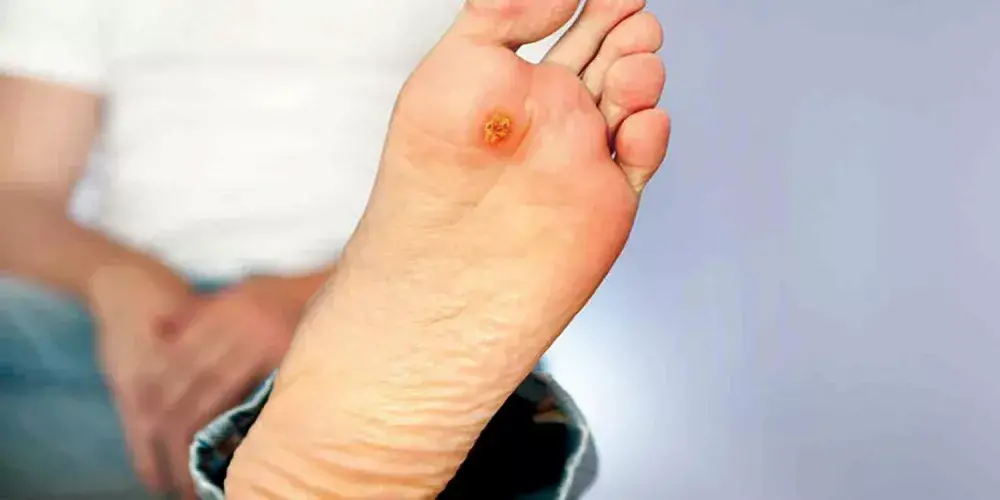
- Presence of a foot ulcer or wound.
- Signs of infection.
- Sensation and nerve function in the foot.
- Blood flow to the lower extremities.
- Swelling or changes in skin color.
- Blood sugar control.
- Previous foot problems.
🔎 What Are the Symptoms of Diabetic Foot That Require Medical Evaluation?
People with diabetes should pay close attention to any unusual changes in their feet, as early evaluation may help prevent complications.
Signs that require medical assessment may include:
- A wound or ulcer on the foot.
- Redness or swelling.
- Increased warmth in a specific area of the foot.
- Discharge from a wound.
- Changes in skin color.
- New or increasing pain.
- Numbness or loss of sensation.
- Deep cracks in the skin.
- Darkened areas or noticeable tissue changes.
- A wound that does not improve over time.
Severe or rapidly developing symptoms require prompt medical evaluation.
🩹 How Is Diabetic Foot Treated?
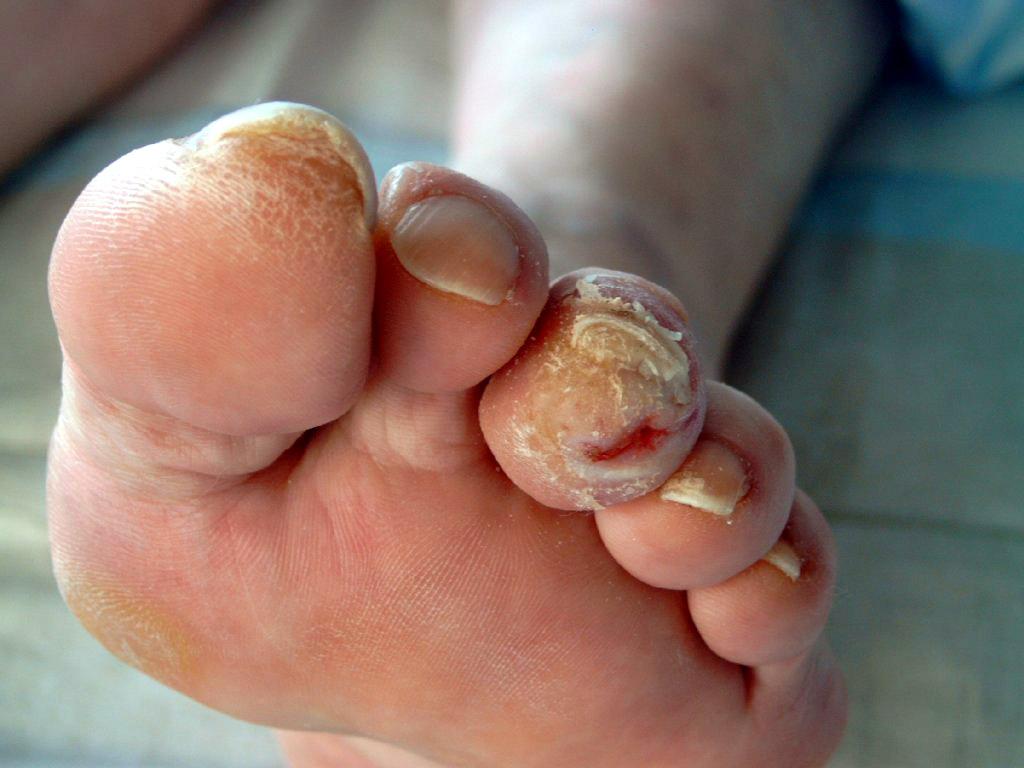
The appropriate diabetic foot treatment depends on the cause and severity of the condition. Treatment may begin with proper wound care and reducing pressure on the affected area while addressing the underlying factors contributing to the problem.
The medical treatment plan may include:
1. Wound Assessment
The doctor examines the affected area to determine the size and depth of the wound, assess the surrounding tissues, and look for signs of infection.
2. Diabetic Foot Ulcer Treatment
Diabetic foot ulcers require appropriate wound care and regular follow-up. Depending on the condition, wound cleaning and removal of unhealthy tissue may be considered when medically appropriate.
3. Blood Circulation Assessment
Blood circulation plays an important role in wound healing. Therefore, some patients may require an assessment of blood flow to the foot, particularly when symptoms suggest reduced circulation.
4. Treatment of Infection
When an infection is present, the doctor determines the appropriate treatment based on its nature and severity. Some cases may require surgical intervention in addition to medical treatment.
5. Reducing Pressure on the Foot
Continuous pressure on a wound can interfere with healing. The doctor may recommend appropriate methods to reduce pressure depending on the location of the wound and the patient's condition.
6. Surgical Intervention in Selected Cases
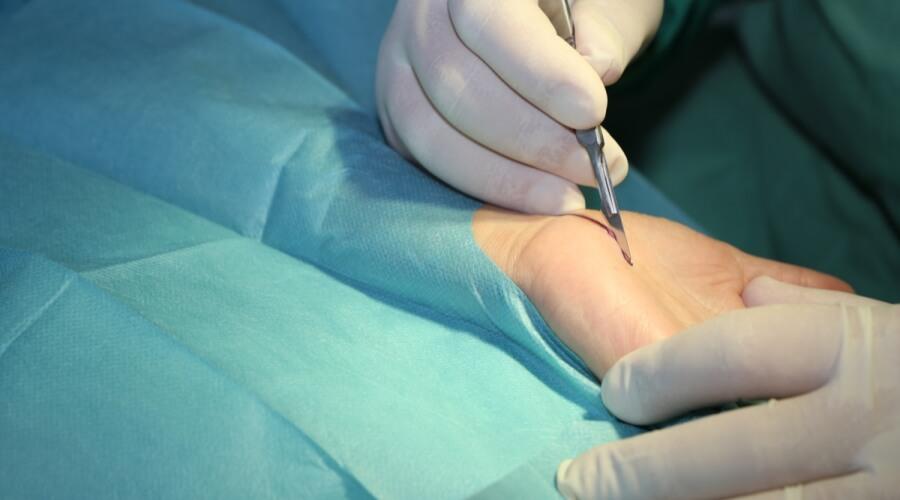
Not every diabetic foot condition requires surgery. However, some advanced or complicated cases may require surgical intervention to remove damaged tissue or manage specific complications. The need for surgery is determined after a thorough medical examination and assessment.
🩸 What Is the Relationship Between Blood Vessels and Diabetic Foot?
Blood vessels play an important role in delivering blood and oxygen to the tissues of the foot. Some people with diabetes may develop peripheral circulation problems, which can affect the body's ability to heal wounds.
For this reason, vascular assessment of the foot may be an important part of evaluating certain diabetic foot conditions, especially when a wound heals slowly or symptoms indicate reduced blood circulation.
As Dr. Mohamed Mansour Kamel specializes in general surgery, vascular surgery, and diabetic foot care, patients can receive a surgical assessment to determine whether conservative management or specialized intervention may be appropriate.
⚠️ When Should You Not Delay Seeing a Doctor?
Foot wounds should not be ignored in patients with diabetes, especially when a wound is associated with redness, swelling, discharge, or changes in skin color.
A sudden change in foot color, severe pain, noticeable coldness of the affected limb, or significant signs of infection requires prompt medical evaluation.
Early assessment does not necessarily mean that surgery will be required. However, it can help identify the problem and determine the appropriate treatment before complications develop.
👨⚕️ Why Do Diabetic Foot Conditions Require Specialized Follow-Up?
Diabetic foot problems may result from more than one contributing factor. Therefore, some cases require a comprehensive assessment rather than treating the wound alone.
Medical evaluation may consider:
- Condition of the wound and skin.
- Nerve function and sensation.
- Blood circulation.
- Presence of inflammation or infection.
- Pressure on the foot.
- Blood sugar level and control.
- Patient's medical history.
- Previous foot problems.
Based on these factors, the doctor can determine the appropriate treatment and follow-up plan for each patient.
🏥 Dr. Mohamed Mansour Kamel for Diabetic Foot Treatment in Hurghada
Dr. Mohamed Mansour Kamel provides specialized services in general surgery, vascular surgery, and diabetic foot care at Cleopatra Hospital – Hurghada, in addition to his expertise in laparoscopic surgery, bariatric surgery, and varicose vein treatment.
He is a Fellow of the Royal College of Surgeons in London and a member of Egyptian medical societies specializing in surgery, laparoscopic procedures, and bariatric surgery.
The clinic's services include:
- Diabetic foot treatment and follow-up.
- General surgery.
- Laparoscopic surgery.
- Bariatric surgery.
- Vascular surgery.
- Varicose vein treatment.
- Hemorrhoid surgery.
- Thyroid surgery.
- Breast tumor surgery.
📞 Book Your Appointment in Hurghada
If you or a family member has a foot ulcer or wound associated with diabetes, you can contact Dr. Mohamed Mansour Kamel's clinic to schedule an examination and medical assessment.
📱 Phone: 01140201777
💬 WhatsApp: 01140201777
📍 Location: Cleopatra Hospital – Hurghada
Medical Note: Diabetic foot treatment varies according to each patient's condition. The appropriate treatment and whether surgical intervention is required can only be determined after a proper medical examination and assessment.