
Diabetic Foot Treatment: When Does a Wound Need Debridement or Artery Revascularization? | Dr. Mohamed Mansour Kamel
A diabetic foot wound may begin as a small cut or blister, but it can develop into a serious problem if it does not heal properly. The key to diabetic foot treatment is identifying why healing is delayed. Some wounds require removal of dead or infected tissue, while others are associated with reduced blood flow to the foot and may need assessment for artery widening or revascularization. You can contact Dr. Mohamed Mansour Kamel’s Mohandessin clinic to inquire about an appropriate assessment and next steps. Prompt medical attention is especially important when signs of infection or poor circulation are present.
📍 Dr. Mohamed Mansour Kamel – Mohandessin Clinic
Address: 5 Gameat El Dowal El Arabia Street, sixth floor, inside In Time Clinics, beside Zamalek Club and CIB Bank, Mohandessin, Giza.
☎️ Appointments and inquiries: 01119642408
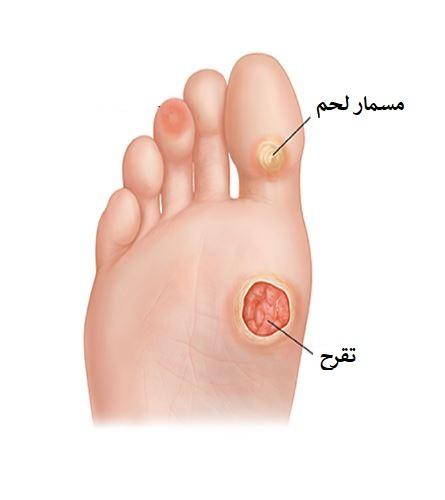
What Is a Diabetic Foot Condition?
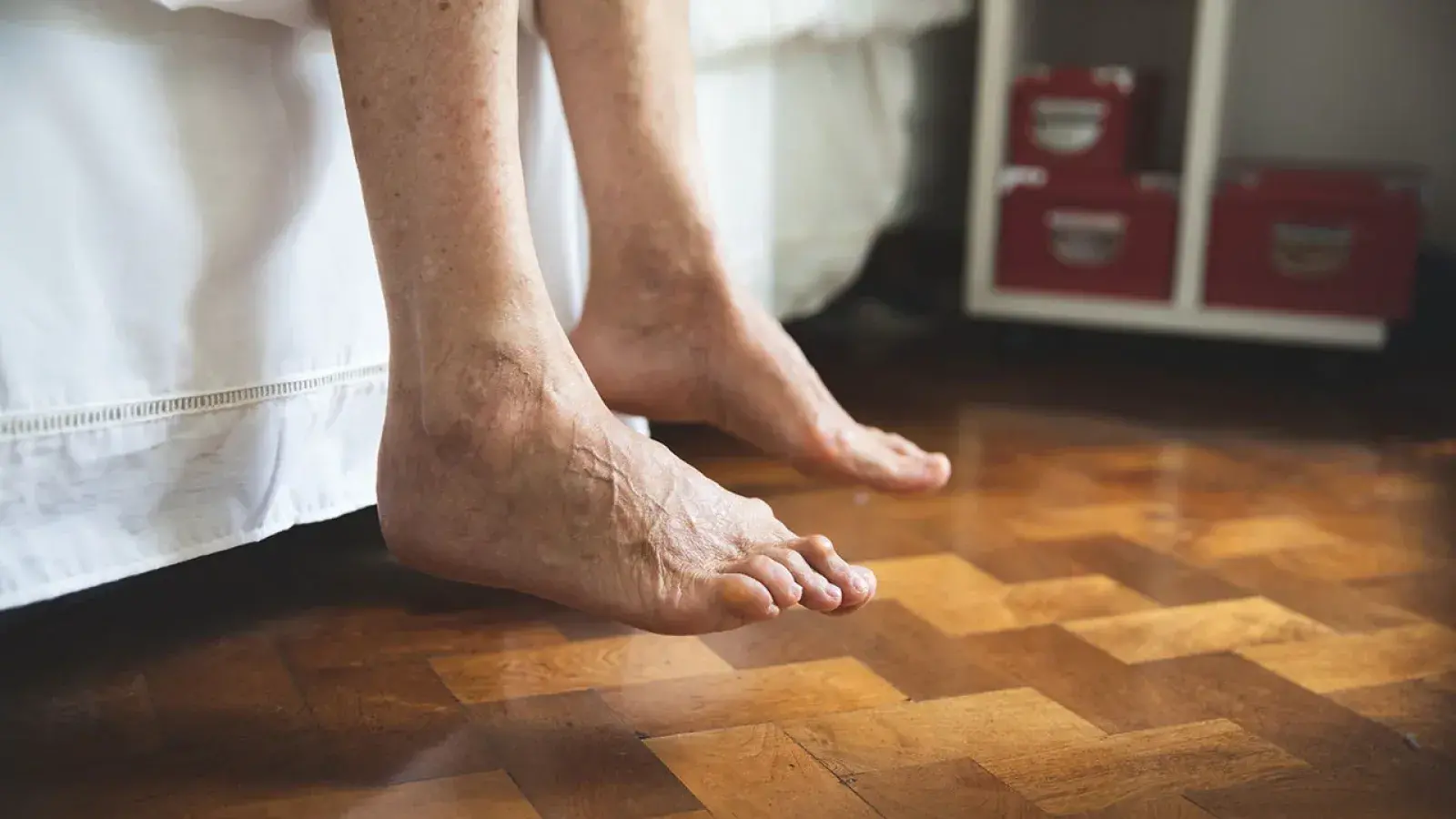
The term diabetic foot describes a group of foot problems that may affect people with diabetes, including ulcers, wounds, infections, and tissue death. These problems may be associated with nerve damage, poor circulation, or repeated pressure on certain areas of the foot.
Diabetes-related nerve damage can reduce the ability to feel pain, heat, or injury. As a result, a person may not notice a wound, burn, or foreign object inside a shoe. At the same time, reduced blood flow can limit the delivery of oxygen and nutrients needed for tissue healing.
Diabetic foot treatment therefore involves more than cleaning the wound. Assessment should consider wound depth, infection, circulation, blood glucose management, and pressure on the affected area.
Why Does a Diabetic Foot Wound Fail to Heal?
Several factors can delay the healing of foot wounds in people with diabetes, and more than one may be present in the same person.
Important factors include:
-
Reduced sensation: Pressure or friction may continue without the person noticing it, causing the wound to deepen or expand.
-
Poor blood flow: Narrowed or blocked arteries in the leg and foot may reduce the supply of blood and oxygen to tissues.
-
Infection: Bacteria can cause inflammation around the wound and may spread into deeper tissues or bone.
-
High blood glucose: Poor glucose control can interfere with the body's ability to recover and fight infection.
-
Continued pressure on the wound: Walking directly on the affected area or wearing unsuitable footwear may delay healing.
-
Tissue damage: Advanced wounds may develop dead tissue or gangrene that requires urgent assessment.
Identifying the underlying causes helps guide treatment instead of repeatedly changing dressings without addressing the main problem.
When Does a Diabetic Foot Wound Need Surgical Debridement?
Wound debridement is the removal of dead, infected, or contaminated tissue when it interferes with wound management or healing. Whether it is needed depends on the clinical assessment.
Debridement may be considered when dead tissue is present, infected tissue has accumulated, or an infection requires removal of damaged tissue. In some cases, the procedure also helps the treating team assess the wound's depth and extent or obtain appropriate samples when needed.
However, not every diabetic foot wound requires surgical debridement. The decision depends on the wound's nature and depth, the presence of infection, and the condition of the blood supply. Some wounds can be managed with appropriate local care and follow-up, while others require a surgical procedure.
Blood flow is especially important when planning certain types of debridement, because poor circulation may affect healing after tissue removal. Patients should not cut away dead skin, open wounds, or use sharp instruments at home, as these actions may worsen injury or cause infection.
When Does a Diabetic Foot Patient Need Artery Revascularization?
Some patients may need restoration of blood flow to the leg and foot when reduced circulation contributes to poor wound healing or threatens tissue viability.
This may occur in peripheral artery disease, in which arteries become narrowed or blocked, reducing the amount of blood reaching the foot. In such cases, wound cleaning alone may not be sufficient because tissues need adequate blood flow to heal.
Signs that may warrant a circulation assessment include:
-
An unusually cold foot or a noticeable temperature difference compared with the other foot.
-
Pale, bluish, or darkened skin.
-
Weak or absent pulses in the foot.
-
Pain in the foot at rest or during walking, although some people may not feel pain because of nerve damage.
-
A wound that does not improve or continues to enlarge despite appropriate care.
-
Black tissue or gangrene.
Visible signs alone cannot determine whether revascularization is necessary. Assessment may include pulse examination, Doppler ultrasound, ankle or toe pressure measurements, and other investigations depending on the case.
What Are the Options for Restoring Blood Flow?
A vascular specialist selects the appropriate approach after evaluating the location and extent of the narrowing or blockage and the condition of the blood vessels.
Angioplasty
In selected cases, a catheter can be guided into the affected artery, and a balloon may be used to widen the narrowed section. A stent may be considered when appropriate, depending on the artery and the individual case.
This approach is an endovascular procedure and may be suitable for some patients based on the investigation findings.
Surgical Bypass
In selected cases, surgery may create an alternative route for blood to reach an area with poor circulation. The decision depends on the pattern of blockage, the condition of the blood vessels, and the patient's overall health.
There is no single method suitable for every patient. Some may benefit from an endovascular procedure, while others may require surgery or a different treatment plan determined by the vascular team.
Can a Wound Need Both Debridement and Revascularization?
Yes. Some cases require a combination of infection management, removal of dead tissue, and improved blood flow. The timing and order of these interventions depend on the severity of the infection and the degree of reduced circulation.
When there is a severe infection, a deep abscess, or gangrene, urgent surgical assessment may be necessary to control the infection. If blood flow is also impaired, the need for revascularization must be assessed. The surgical and vascular teams should coordinate to determine the appropriate timing of each procedure.
If there is no infection requiring immediate intervention and poor circulation is the main barrier to healing, vascular assessment may be an important step before certain wound procedures. The decision depends on the examination and test results, not the wound's appearance alone.
What Warning Signs Require Urgent Medical Attention?
Do not delay medical assessment if signs suggest a severe infection or a threat to the foot, including:
-
Redness spreading around the wound or increasing swelling.
-
Pus or unusual wound discharge.
-
Fever or chills accompanying the wound.
-
Blackened tissue or gangrene.
-
Severe pain or rapid deterioration of the foot.
-
A deep wound or suspected infection involving the bone.
-
A wound accompanied by clear signs of poor circulation.
These signs require urgent medical assessment and may warrant emergency care, particularly when fever, rapid deterioration, or gangrene is present. Any open foot ulcer in a person with diabetes should be assessed promptly, even if it is painless, because nerve damage may mask the severity of the injury.
How Can the Risk of Diabetic Foot Complications Be Reduced?
Daily foot care and regular assessment help detect problems early and reduce the likelihood of progression.
Helpful steps include:
-
Inspecting both feet daily, including the soles and spaces between the toes.
-
Wearing appropriate footwear that does not cause pressure or friction.
-
Avoiding walking barefoot, particularly when sensation is reduced.
-
Never cutting thickened skin, calluses, or dead tissue with sharp tools at home.
-
Following the prescribed diabetes management plan.
-
Reducing pressure on the affected area according to the treating team's instructions.
-
Seeking medical assessment when a new wound or change in skin color or temperature appears.
Follow-up remains important even after a wound heals, because ulcers may recur, especially when pressure on the foot continues or nerve or artery problems remain.
Diabetic Foot Assessment with Dr. Mohamed Mansour Kamel – Mohandessin
If you have a foot wound and diabetes, early assessment is important to determine whether the wound needs local care, removal of dead tissue, or evaluation of blood flow and the arteries.
You can contact Dr. Mohamed Mansour Kamel’s Mohandessin clinic to inquire about appointments and the appropriate steps for assessing the condition.
📍 Address: 5 Gameat El Dowal El Arabia Street, sixth floor, inside In Time Clinics, beside Zamalek Club and CIB Bank, Mohandessin, Giza.
☎️ Appointments and inquiries: 01119642408
Frequently Asked Questions About Diabetic Foot Treatment
Does every diabetic foot wound need surgical debridement?
No. The decision depends on dead tissue, infection, wound depth, and circulation. A medical examination determines the appropriate approach.
When does a diabetic foot patient need artery revascularization?
When investigations indicate that reduced blood flow is affecting wound healing or threatening tissue viability, a vascular specialist can assess whether revascularization is appropriate.
Can a diabetic foot wound be cleaned at home?
Patients should not cut away dead tissue or use sharp instruments at home. Medical assessment is needed to determine safe and appropriate wound care.
Can a patient need both debridement and artery revascularization?
Yes. Some cases require infection control, removal of damaged tissue, and improved blood flow as part of a coordinated treatment plan.
When is a diabetic foot wound an emergency?
Fever, spreading redness, pus, gangrene, severe pain, or rapid deterioration requires urgent medical assessment.
How can I arrange an appointment with Dr. Mohamed Mansour Kamel in Mohandessin?
Call 01119642408 for appointment inquiries.
Conclusion
Diabetic foot treatment depends on identifying the cause of the wound and evaluating infection and blood flow. Some wounds require removal of dead tissue, while wounds associated with poor circulation may need specialist assessment for revascularization. In selected cases, both approaches may be necessary as part of a coordinated treatment plan.
The most important steps are to avoid delaying assessment of a diabetic foot wound and never attempt to remove dead tissue with household tools. Appropriate treatment at the right time may help reduce complications and protect the foot.