
Diagnosis of Heart and Chest Diseases and the Importance of Specialist Consultation | Dr. Mohamed Hassan Abdullah
📞 For appointments and inquiries with Dr. Mohamed Hassan Abdullah – Consultant of Cardiothoracic Surgery:
Gardenia Clinics: 01119226555 / 0223621602
Damanhour Cardiac Center (DCC): 01028888719 / 0453333372 / 01028888716
Military Production Hospital: 0228167051
The treatment journey for heart and chest diseases begins with an accurate diagnosis and a clear understanding of the patient's medical condition. Some symptoms may be similar across different diseases, making specialist consultation and appropriate diagnostic tests important for reaching a clearer assessment and determining the most suitable treatment approach.
Why Is Accurate Diagnosis Important for Heart and Chest Diseases?
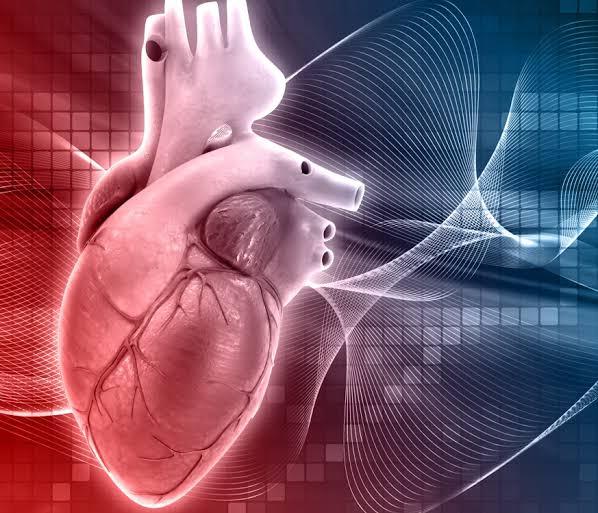
Heart and chest diseases can affect the body's functions in different ways. Some conditions cause noticeable symptoms, while others may develop with few or no obvious symptoms during their early stages.
Medical diagnosis helps identify the possible cause of symptoms and determine how the condition may be affecting the heart, lungs, or blood vessels. This information helps the doctor develop an appropriate plan for monitoring or treating the condition.
What Symptoms Require Specialist Evaluation?
Symptoms vary depending on the underlying condition, but several symptoms may require medical evaluation, including:
-
Chest pain or pressure.
-
Shortness of breath or difficulty breathing.
-
Rapid or irregular heartbeat.
-
Dizziness or fainting.
-
Persistent fatigue or reduced exercise tolerance.
-
Swelling of the feet or legs.
-
Persistent cough in certain cases.
-
Recurrent or unusual chest-related symptoms.
These symptoms do not necessarily indicate a serious disease, but persistent or recurring symptoms should be evaluated to determine their cause.
How Does the Diagnostic Process Begin?
A medical consultation usually begins by discussing the patient's symptoms in detail and reviewing their medical history and current medications, followed by a physical examination.
Depending on the symptoms and the suspected diagnosis, the doctor may request specific diagnostic tests.
Not every patient needs the same tests. The required investigations vary according to the patient's condition and the purpose of the evaluation.
What Are the Most Important Heart Tests?
Different tests may be used to evaluate the heart and its function, including:
Electrocardiogram (ECG)
An ECG records the heart's electrical activity and can provide important information about heart rhythm and certain changes that may be associated with cardiac conditions.
Echocardiogram
An echocardiogram uses ultrasound waves to create images of the heart and evaluate its chambers, valves, movement, and function.
Imaging Tests
Some patients may require different types of imaging, such as CT scans or other specialized tests, depending on the condition and the purpose of the examination.
Blood Tests
The doctor may request certain blood tests to assess the patient's overall health or look for indicators that may be related to their symptoms.
How Are Chest Diseases Diagnosed?
The diagnosis of chest diseases depends on the patient's symptoms and physical examination and may require medical tests and imaging.
Depending on the condition, these may include:
-
Chest X-ray.
-
CT scan.
-
Pulmonary function tests.
-
Laboratory tests.
-
Additional investigations when necessary.
In certain cases, a surgical evaluation or tissue biopsy may be required to establish a more accurate diagnosis.
When Does a Patient Need a Cardiothoracic Surgeon?
A surgical consultation does not necessarily mean that the patient will need surgery.
The purpose may simply be to evaluate the condition, understand the available treatment options, and determine whether surgical intervention is necessary or whether the condition can be managed through other approaches.
A specialist consultation becomes particularly important when medical tests indicate a condition that may require surgery involving the heart or chest.
Which Conditions May Require Surgical Evaluation?
Some conditions affecting the heart or chest may require evaluation by a cardiothoracic surgeon.
These may include certain coronary artery diseases, heart valve diseases, and selected conditions affecting the lungs or chest that may require surgical treatment.
The decision depends on the diagnosis, severity of the condition, test results, and the patient's overall health.
Is Early Diagnosis Important?
Identifying a medical problem at an appropriate stage allows the doctor to evaluate the condition and determine suitable treatment or monitoring.
Early diagnosis does not necessarily mean that surgery will be required. Instead, it helps determine the nature of the condition and whether it requires treatment, monitoring, or further investigation.
Patients should therefore avoid ignoring persistent symptoms or relying on self-diagnosis without consulting a medical professional.
What Should a Patient Bring to a Consultation?
Patients should ideally bring previous medical reports, test results, and imaging studies, along with a list of their current medications and any relevant medical records.
It is also helpful to describe symptoms accurately, including when they started, how often they occur, and whether they are associated with physical activity.
This information can help the doctor develop a clearer understanding of the patient's condition.
How Is the Treatment Plan Determined?
After collecting the patient's medical history and completing the necessary examinations and tests, the doctor can evaluate the condition and determine the available treatment options.
The treatment plan may include medical follow-up, medication, additional diagnostic testing, or surgical intervention, depending on the underlying condition.
The appropriate approach varies from one patient to another, so treatment should be determined following a proper medical evaluation.
Why Is Specialist Consultation Important Before Heart or Chest Surgery?
When surgery is being considered, a specialist consultation helps the patient understand the nature and purpose of the procedure and discuss the available treatment options.
The consultation also allows the doctor to assess the patient's general health and determine the necessary preparation before surgery.
Patients can also learn more about what to expect during the recovery period and follow-up after the procedure.
Dr. Mohamed Hassan Abdullah | Consultant of Cardiothoracic Surgery
Dr. Mohamed Hassan Abdullah provides specialized cardiothoracic services, including:
-
Open-heart surgery.
-
Coronary artery surgery.
-
Heart valve surgery.
-
Minimally invasive surgery.
-
Chest surgery.
-
Video-Assisted Thoracoscopic Surgery (VATS).
-
Diagnosis and specialist consultation for heart and chest conditions.
Clinic Locations and Working Hours
Saturday | Military Production Hospital
🕐 1:00 PM
☎️ 02-28167051
Monday | Gardenia Clinics
📍 35 Al Qasr Al Ainy Street
🕐 8:00 PM
📞 01119226555 / 02-23621602
Wednesday | Arab Contractors Hospital
🕐 12:00 PM
Friday | Damanhour Cardiac Center (DCC)
📍 Inside Dar Al Shifa Hospital, Damanhour, Beheira
📌 Appointments by prior booking
📞 01028888719
☎️ 0453333372
📞 01028888716
Conclusion
Accurate diagnosis and specialist consultation are important steps in understanding heart and chest diseases and determining the appropriate way to manage them.
The diagnostic tests required vary from one patient to another, and treatment depends on the diagnosis, severity of the condition, and the patient's overall health.
When surgical intervention may be required, consulting a cardiothoracic surgeon can help evaluate the condition and discuss the most appropriate treatment options based on the patient's test results.
Dr. Mohamed Hassan Abdullah – Consultant of Cardiothoracic Surgery