Difference Between Angina and Heart Attack | Symptoms, Causes, and How to Tell Them Apart
The difference between angina and heart attack is one of the most concerning topics for many people, as both conditions are associated with chest pain and may seem similar at first. However, there is a major difference in severity, cause, and treatment.
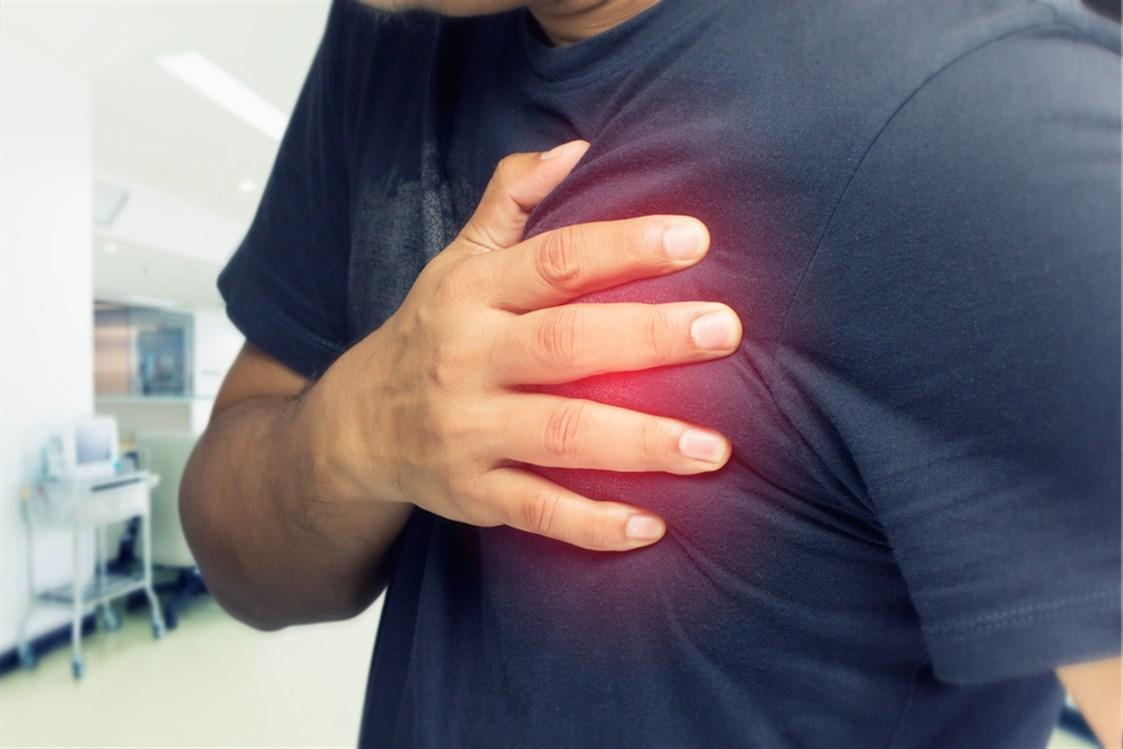

Difference Between Angina and Heart Attack | Symptoms, Causes, and How to Tell Them Apart
The difference between angina and heart attack is one of the most concerning topics for many people, as both conditions are associated with chest pain and may seem similar at first. However, there is a major difference in severity, cause, and treatment.
In this simple medical guide, we explain the difference between angina and heart attack in terms of symptoms, causes, and how to distinguish between them, so you can know when it is an emergency that requires immediate medical attention.
What is Angina?
Angina is chest pain or pressure that occurs when blood flow to the heart muscle is temporarily reduced, usually due to narrowing of the coronary arteries.
👉 Angina is not a heart attack, but it is an important warning sign of heart disease.
What is a Heart Attack?
A heart attack occurs when one of the coronary arteries becomes completely blocked, stopping blood flow to part of the heart muscle.
👉 This blockage can cause permanent damage to the heart muscle if not treated quickly.
Difference Between Angina and Heart Attack
🔴 Cause
- Angina: Temporary reduction in blood flow.
- Heart Attack: Complete blockage of an artery.
🔴 Duration of Pain
- Angina: Lasts a few minutes and improves with rest.
- Heart Attack: Severe and persistent pain that does not improve easily.
🔴 Severity of Pain
- Angina: Moderate pain or chest pressure.
- Heart Attack: Very severe, crushing chest pain.
🔴 Risk Level
- Angina: Warning condition that needs medical evaluation.
- Heart Attack: Life-threatening emergency.
Symptoms of Angina
- Chest pain or pressure in the center of the chest
- Occurs during physical activity and improves with rest
- Pain may spread to the arm or shoulder
- Mild shortness of breath
Symptoms of a Heart Attack
- Severe chest pain lasting more than 10 minutes
- Pain spreading to arm, jaw, or back
- Sudden heavy sweating
- Nausea or vomiting
- Severe shortness of breath
How to Quickly Tell the Difference
👉 If the pain:
- Occurs with exertion and disappears with rest → likely angina
- Severe, constant, and does not improve → possible heart attack
⚠️ However, self-diagnosis is not reliable, and medical evaluation is always necessary.
When Should You Go to the Emergency Room?
You should seek emergency care immediately if you experience:
- Sudden severe chest pain
- Strong shortness of breath
- Cold sweating
- Fainting or severe dizziness
Risk Factors for Angina and Heart Attack
- Smoking
- High blood pressure
- Diabetes
- High cholesterol
- Obesity
- Lack of physical activity
Prevention of Heart Disease
- Healthy balanced diet
- Regular exercise
- Quitting smoking
- Controlling blood pressure and diabetes
- Regular heart checkups
❓ Frequently Asked Questions (FAQ)
Can angina turn into a heart attack?
Yes, if left untreated, angina can progress to a heart attack.
Is a heart attack more dangerous than angina?
Yes, a heart attack is a medical emergency that can be life-threatening.
Does chest pain always mean a heart attack?
No, it may be caused by angina or other non-cardiac conditions.
What should I do if I have chest pain?
Stop physical activity and seek emergency care if the pain persists or is severe.
🧾 Conclusion
The difference between angina and heart attack is crucial to understand, as angina is a warning sign, while a heart attack is a life-threatening emergency that requires immediate treatment.
👉 Early diagnosis and prompt medical attention can save lives and reduce serious complications.

Dr. Menna Morsi uses the latest cosmetic dentistry techniques to preserve the health of your teeth while delivering outstanding aesthetic results through a personalized treatment plan tailored to your individual needs.
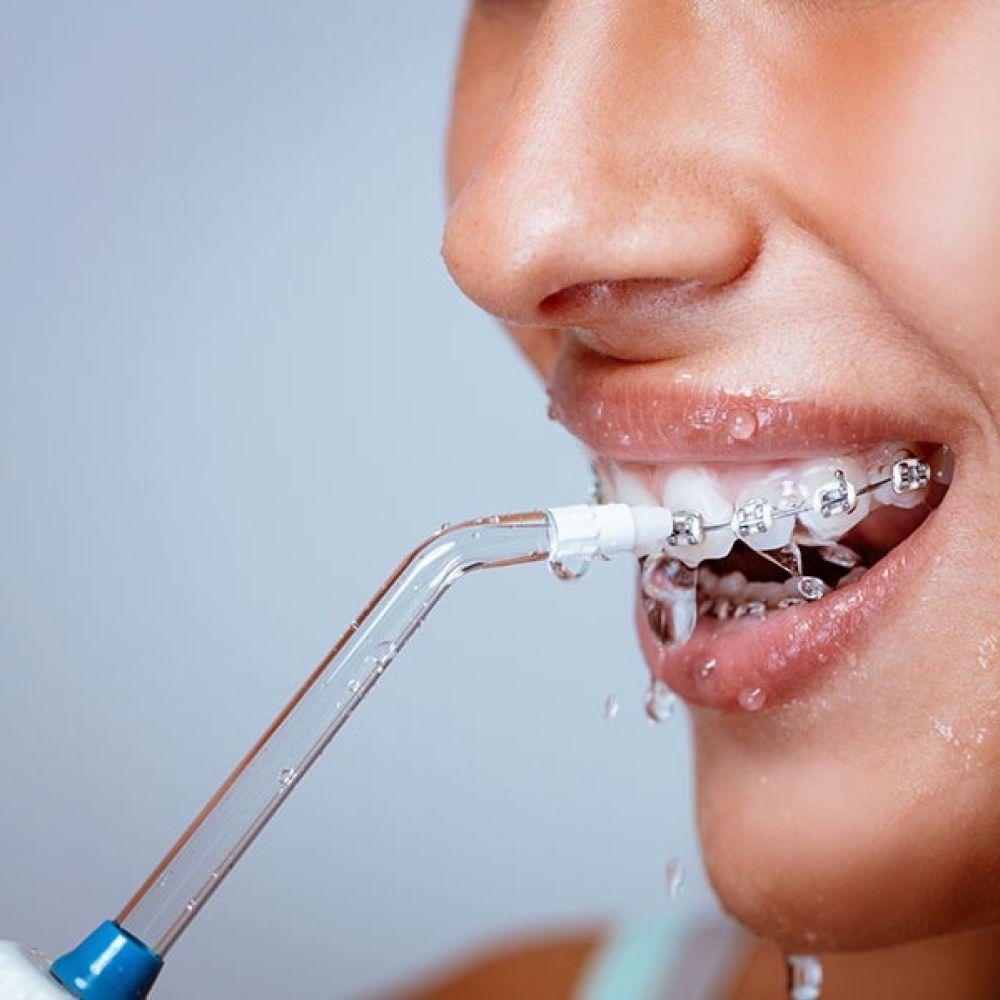
Over time, neglecting oral hygiene while wearing braces can lead to plaque buildup, gum inflammation, bad breath, and even affect the overall success of your orthodontic treatment by potentially extending the treatment period.
Looking for vision improvement treatment in El Khusus? Dr. Mahmoud El-Azizi offers the latest technologies for diagnosing and treating vision problems, including laser vision correction, cataract and glaucoma treatment, with comprehensive eye care using state-of-the-art medical equipment.
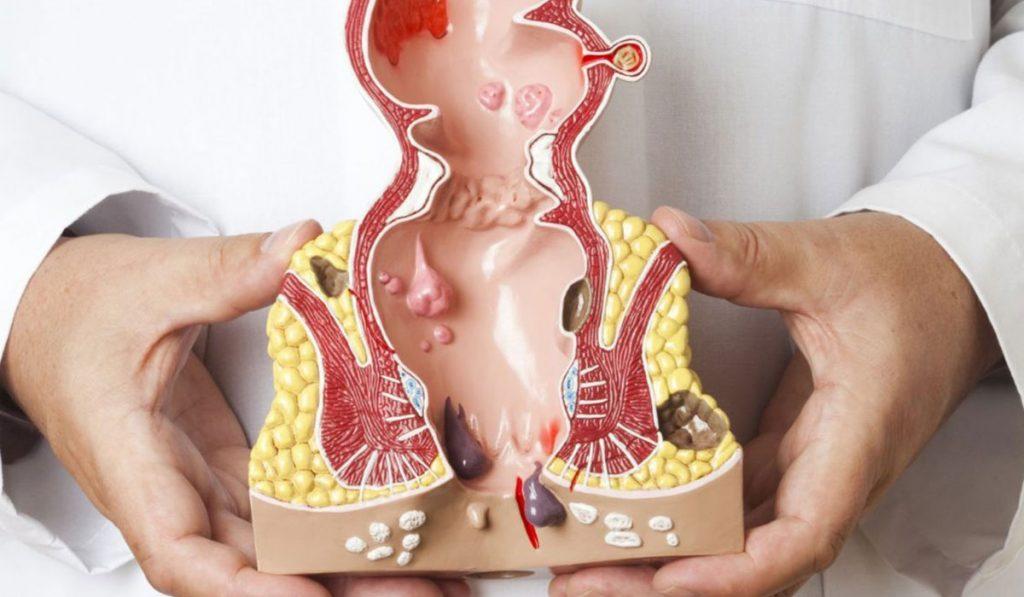
With the advancement of colorectal surgery, most cases of anal fistula and pilonidal sinus can now be treated using modern surgical and technological techniques that precisely remove the diseased tissue, minimize pain, accelerate wound healing, and reduce the risk of recurrence.
