Difference Between Myopia and Hyperopia: A Complete Guide to Vision Problems
Understanding the difference between myopia and hyperopia is essential for anyone trying to learn about common vision problems. Both conditions affect how clearly we see, but in completely different ways. In this article, we will explain the difference in a simple and easy-to-understand manner.
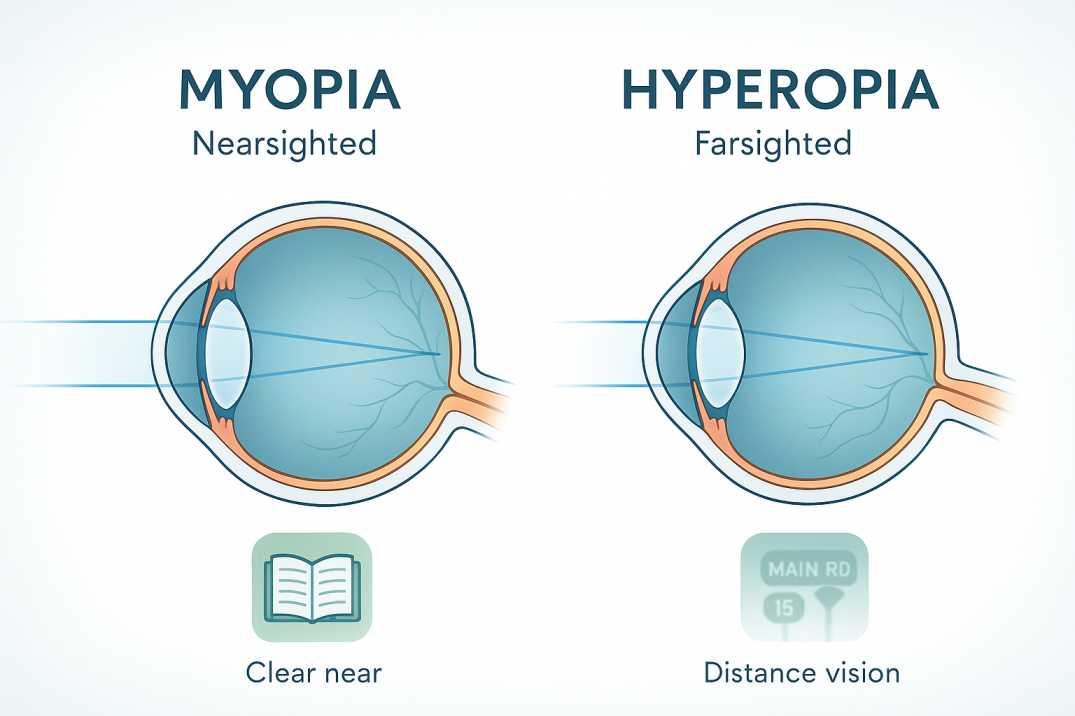

Difference Between Myopia and Hyperopia: A Complete Guide to Vision Problems
Introduction
Understanding the difference between myopia and hyperopia is essential for anyone trying to learn about common vision problems. Both conditions affect how clearly we see, but in completely different ways. In this article, we will explain the difference in a simple and easy-to-understand manner.
What Is Myopia (Nearsightedness)?
Myopia, also known as nearsightedness, is a condition where a person can see nearby objects clearly, but distant objects appear blurry.
What Is Hyperopia (Farsightedness)?
Hyperopia, or farsightedness, is a condition where a person can see distant objects clearly, but nearby objects appear blurry.
Difference Between Myopia and Hyperopia
- Myopia: Difficulty seeing distant objects
- Hyperopia: Difficulty seeing close objects
- Myopia: Often develops at a younger age
- Hyperopia: More common with aging
Symptoms of Myopia
- Blurry vision when looking at distant objects
- Squinting to see clearly
- Frequent headaches
Symptoms of Hyperopia
- Difficulty reading or focusing on close objects
- Eye strain
- Headaches after near work
Causes of Vision Problems
- Genetic factors
- Excessive screen use
- Weak eye focusing muscles
Treatment for Myopia and Hyperopia
- Prescription glasses
- Contact lenses
- Laser eye surgery (LASIK)
Myopia vs Hyperopia in Children
Myopia in children is often linked to excessive screen time, while hyperopia may be normal in early development stages.
Can Vision Problems Be Prevented?
While not all vision problems can be prevented, risks can be reduced by limiting screen time, taking regular eye breaks, and having routine eye exams.
Conclusion
In conclusion, the difference between myopia and hyperopia lies in how each condition affects vision. Early understanding helps in faster treatment and better eye health.
If you notice any changes in your vision, it is strongly recommended to visit an eye specialist immediately.

Many people describe the end of a relationship with a partner who has borderline personality traits as an experience similar to withdrawal from addiction. In this article, Dr. Rehab Helmy explains the psychological reasons behind this intense emotional attachment and highlights the role of counseling and emotional support in the healing process
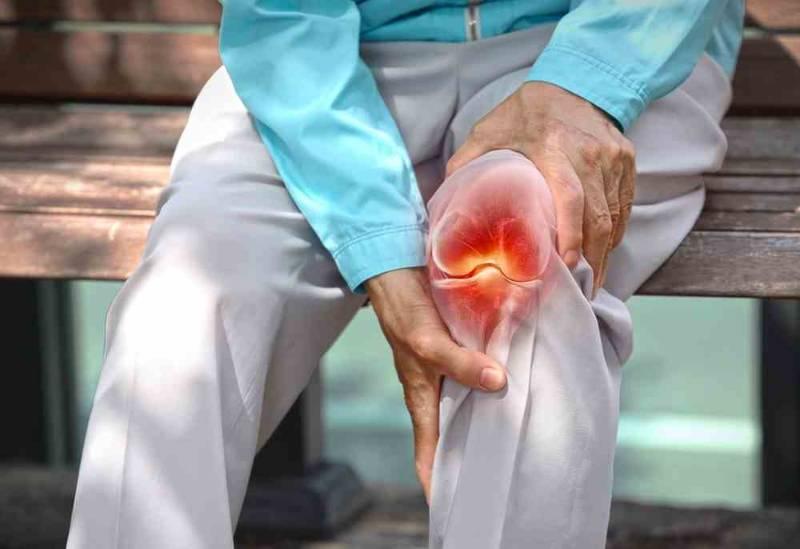
Learn about the latest methods for treating knee osteoarthritis in Giza using physical therapy and rehabilitation programs with Dr. Ahmed Osman at Al Amal Physical Therapy and Rehabilitation Center in Imbaba. Discover how these treatments help improve mobility, reduce pain, and strengthen the muscles surrounding the knee.
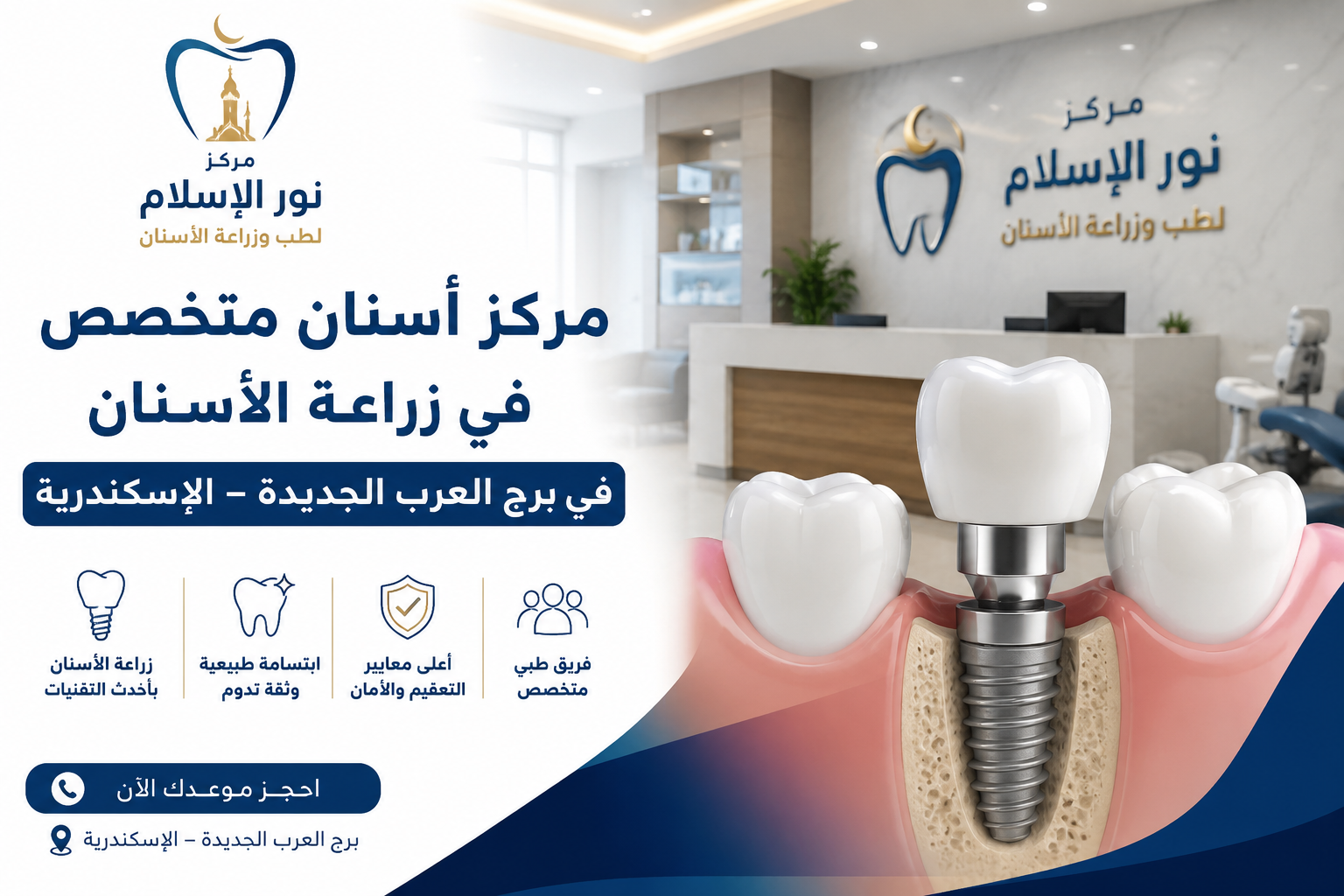
If you are looking for a specialized dental implant center in New Borg El Arab, Alexandria that provides comprehensive dental care using the latest technologies, Noor Al Islam Dental & Implant Center is one of the leading choices. We combine professional expertise, advanced equipment, and personalized patient care to help you achieve a healthy smile and natural-looking results that last for years.

A cesarean section (C-section) is an important medical procedure performed when specific conditions require it to protect the health of both the mother and the baby. Learn about the indications for a cesarean delivery and the essential stages of care with Dr. Zeinab Sabry Farag in Beheira and Alexandria.
