Physical Therapy for Disc Herniation and Back Pain in Cairo: When Is Surgery Avoidable?
Disc herniation and back pain are common conditions, but surgery is not always necessary. This guide explains how physical therapy reduces pain, restores movement, and supports safe recovery in Cairo.


By: Dr. Ahmed Bassiouni
Back and neck pain affect many people and may progress to disc herniation, causing radiating pain, numbness, or muscle weakness. While surgery often raises concern, medical evidence shows that physical therapy is an effective and safe option for many patients when properly applied.
What Is Disc Herniation?
Disc herniation occurs when part of an intervertebral disc moves out of its normal position, placing pressure on nearby nerves. Symptoms vary depending on severity and location, and may include:
-
localized back or neck pain
-
radiating leg or arm pain
-
numbness or tingling
-
muscle weakness
-
limited mobility
Understanding the condition helps determine the most appropriate treatment.
When Is Physical Therapy Effective?
Physical therapy is often recommended when:
-
neurological symptoms are not severe or progressive
-
pain is moderate to severe but stable
-
there is no sudden loss of strength or control
-
the condition is in early to moderate stages
The goal is to reduce nerve pressure, improve spinal stability, and prevent recurrence.
How Does Physical Therapy Reduce Pain?
A comprehensive program may include:
-
targeted strengthening exercises
-
flexibility and stretching routines
-
posture and movement correction
-
manual therapy techniques
-
lifestyle guidance to reduce spinal load
Treatment focuses on addressing the root cause, not just pain relief.
Preventing Recurrence Through Rehabilitation
Even after pain improves, recurrence risk remains without:
-
strengthening deep spinal muscles
-
correcting daily movement patterns
-
maintaining a preventive exercise plan
Long-term rehabilitation is essential for sustainable recovery.
When Is Surgery Necessary?
Surgery may be considered in limited cases such as:
-
worsening neurological deficits
-
loss of bladder or bowel control
-
severe pain unresponsive to conservative care
Physical therapy remains important both before and after surgery to optimize outcomes.
Why Do Results Vary?
Treatment success depends on:
-
disc severity and location
-
patient adherence to therapy
-
work and lifestyle demands
-
early intervention
Individualized programs yield better results than generic approaches.
Choosing the Right Physical Therapist
Effective recovery starts with proper assessment and planning. Specialists such as Shorouk Shehab Ahmed provide personalized rehabilitation programs focused on pain reduction and safe mobility restoration.
Conclusion
Disc herniation does not automatically require surgery. In many cases, specialized physical therapy can relieve pain, restore movement, and prevent recurrence. Accurate diagnosis and adherence to a tailored treatment plan are key to success.
Discover Dr. Amr Mostafa Saleheen’s advanced gynecological laparoscopic surgery services, providing modern medical solutions for women’s health problems using the latest surgical techniques with high accuracy and shorter recovery time in Assiut.
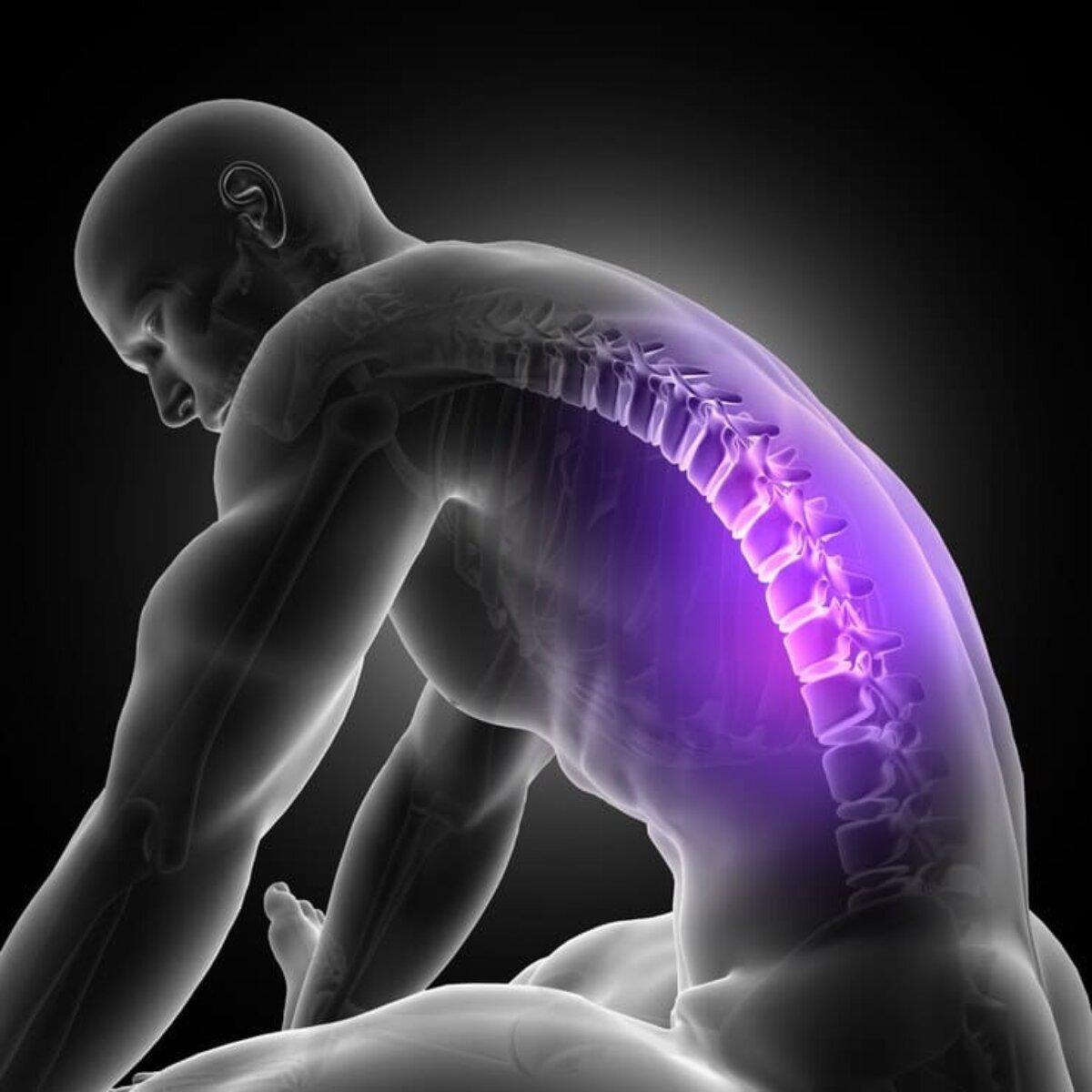
Discover Dr. Mohamed Nabil’s services in spinal deformity treatment, providing accurate diagnosis and specialized treatment plans to improve back health, reduce pain, and restore mobility using advanced medical approaches in 6th of October City.
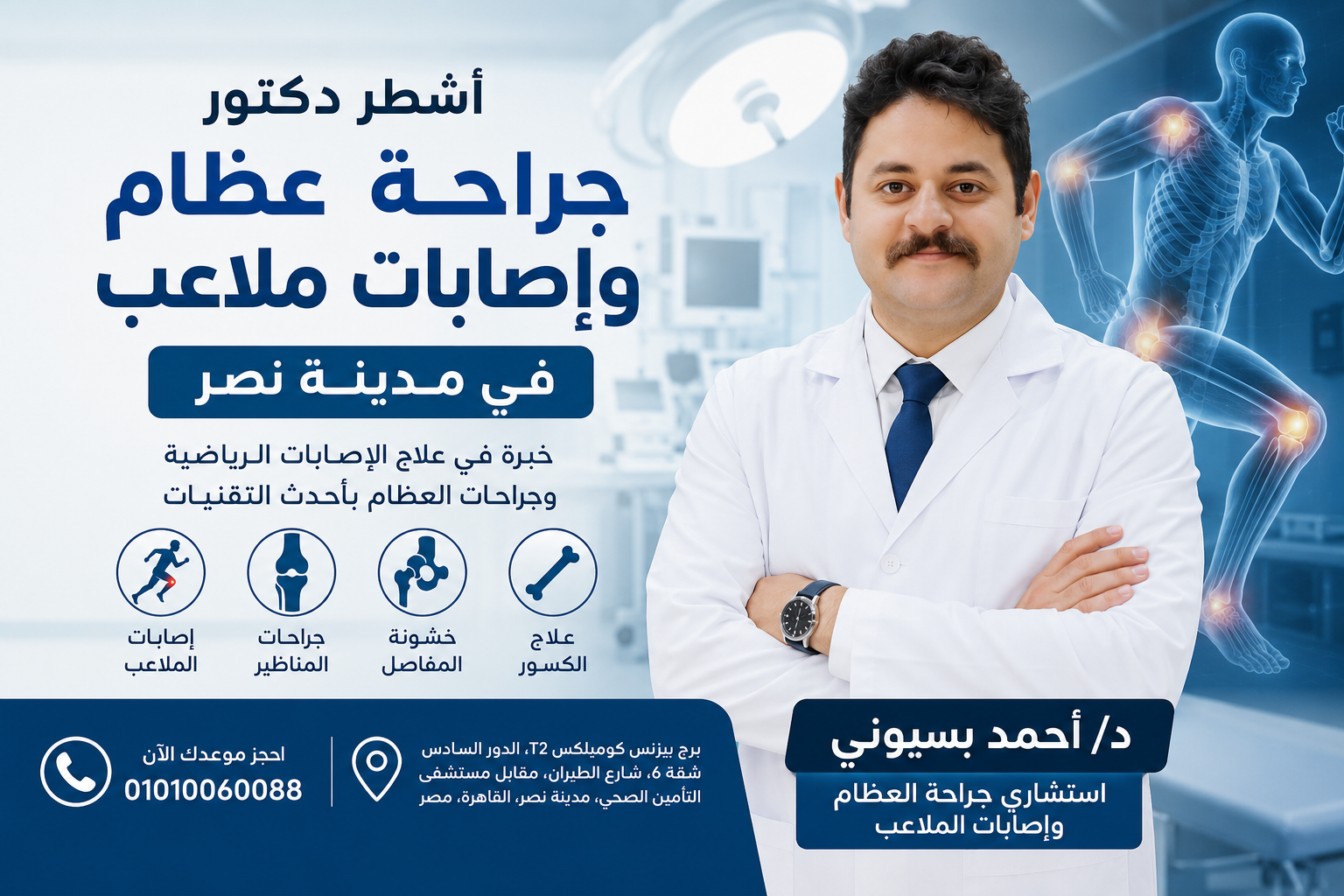
Looking for the Best Orthopedic Surgeon & Sports Injury Specialist in Nasr City? Are you looking for the best orthopedic and sports injury doctor in Nasr City? Dr. Ahmed Bassiouni provides specialized care for sports injuries, orthopedic surgery, and arthroscopic procedures using the latest medical technologies. Book your appointment today: 01010060088.
Discover Ortho Care Clinic’s services in bone deformity correction and limb alignment, providing accurate diagnosis and advanced medical approaches to treat orthopedic problems, improve mobility, and enhance quality of life in Marsa Matrouh.
