Doctor for Dyslipidemia in Belqais | Dr. Youssef Abdel Moneim
Learn about the diagnosis and follow-up of blood lipid disorders, high cholesterol, and high triglycerides with Dr. Youssef Abdel Moneim in Belqais.
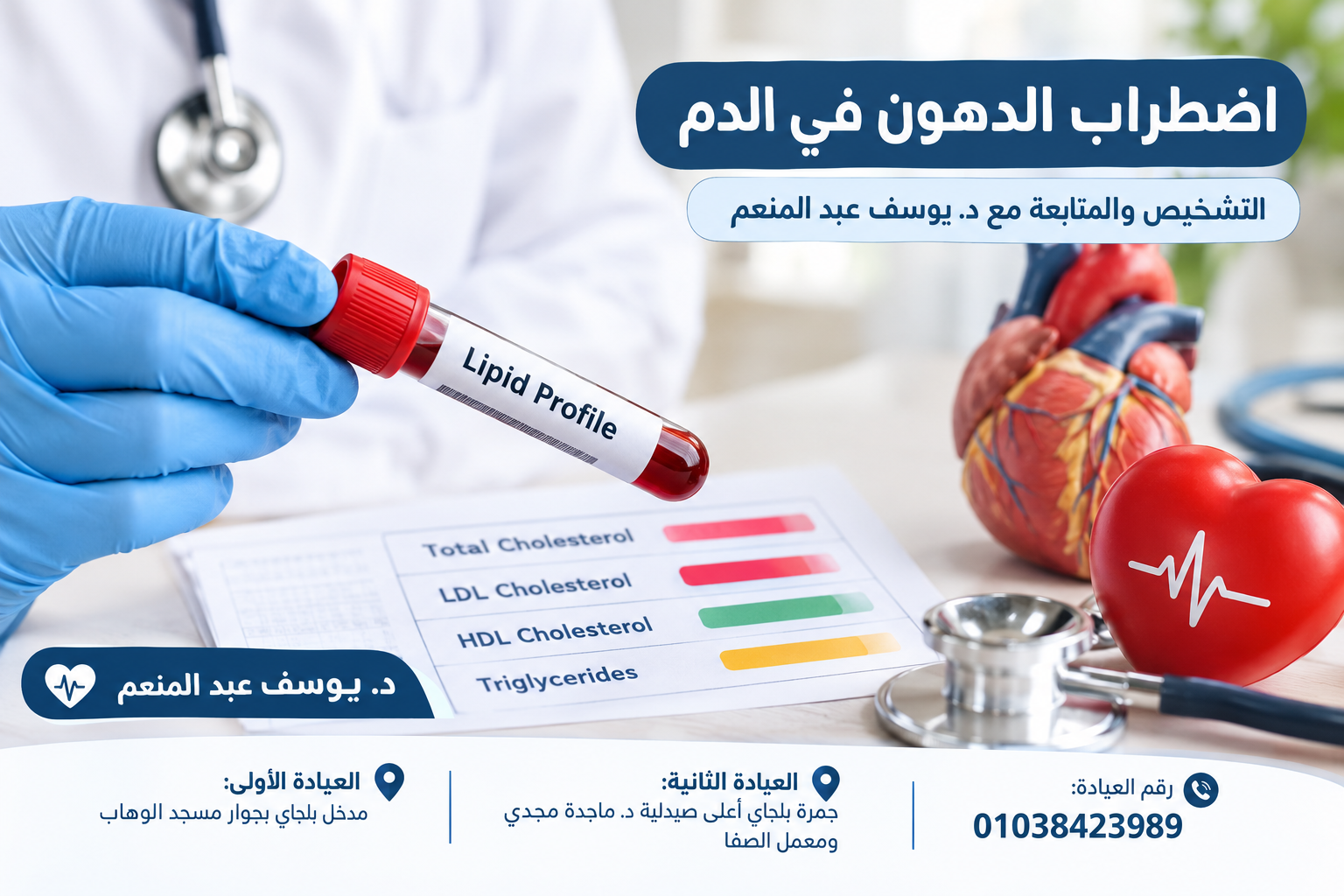
By: Dr. Youssef Abdel Moneim
Doctor for Dyslipidemia in Belqais | Dr. Youssef Abdel Moneim
Dyslipidemia is a health condition that requires medical follow-up, as it may be associated with high levels of cholesterol or triglycerides, or an imbalance in different types of blood lipids. Therefore, early detection, risk assessment, and developing an appropriate follow-up plan can help reduce risks associated with heart and blood vessel health.
If you are looking for a doctor for dyslipidemia in Belqais, you can follow up on your condition with Dr. Youssef Abdel Moneim, including appropriate medical assessment, reviewing laboratory test results, and evaluating factors that may affect blood lipid levels.
What Is Dyslipidemia?
Dyslipidemia is a condition in which one or more components of blood lipids become abnormally high or low. The most important ones include:
-
Total cholesterol.
-
Low-density lipoprotein (LDL) cholesterol.
-
High-density lipoprotein (HDL) cholesterol.
-
Triglycerides.
A Lipid Profile is used to help determine the levels of these components and evaluate the patient's lipid status.
Why Does Dyslipidemia Require Medical Follow-Up?
High cholesterol or triglyceride levels may not cause noticeable symptoms in many cases. Therefore, dyslipidemia may be discovered during routine blood tests or regular medical checkups.
The importance of follow-up is that elevated levels of certain lipids, particularly LDL cholesterol, are associated with an increased risk of plaque buildup inside the arteries and cardiovascular disease. Current medical guidelines emphasize evaluating lipid levels along with other risk factors when determining the appropriate plan for each individual.
What Are the Causes of Dyslipidemia?
Dyslipidemia may be associated with several factors, including:
-
Genetic factors and family history.
-
Following an unhealthy or unbalanced diet for long periods.
-
Lack of physical activity.
-
Certain diseases and underlying health conditions.
-
Certain medications.
-
Excess weight.
-
Diabetes.
-
High blood pressure.
-
Certain kidney or thyroid disorders.
Therefore, managing high cholesterol or triglycerides should not depend on a single laboratory result alone, but rather requires a comprehensive evaluation of the patient's condition.
What Symptoms May Be Associated with Dyslipidemia?
In many cases, dyslipidemia does not cause noticeable symptoms, and high cholesterol or triglyceride levels may only be discovered through blood testing.
Therefore, screening and medical follow-up may be particularly important for people who have risk factors for cardiovascular disease or a family history of cholesterol problems.
How Is Dyslipidemia Diagnosed?
Evaluation of dyslipidemia is based on several steps, including:
1. Blood Lipid Testing
A Lipid Profile is used to measure cholesterol and triglyceride levels and may include total cholesterol, LDL, HDL, and triglycerides.
2. Assessing Risk Factors
Laboratory results are not interpreted separately from the patient's overall health. The doctor may consider age, medical and family history, diabetes, blood pressure, smoking, and other factors associated with the risk of cardiovascular disease.
3. Determining the Level of Risk
Current guidelines emphasize that assessing the risk of cardiovascular disease can help determine the need for therapeutic interventions. Additional tests may also be considered in selected cases to provide a more accurate assessment of cardiovascular risk.
Treatment Options for Dyslipidemia
The treatment of Dyslipidemia varies from one person to another depending on the type and level of lipid disorder, risk factors, and overall health condition.
The treatment plan may include:
-
Improving the diet.
-
Engaging in appropriate physical activity.
-
Maintaining a healthy lifestyle.
-
Treating underlying conditions that may affect lipid levels.
-
Using lipid-lowering medications when necessary, according to the doctor's evaluation.
-
Regular follow-up and repeating laboratory tests according to the treatment plan.
Current guidelines indicate that dyslipidemia treatment should be based on each person's cardiovascular risk level rather than on cholesterol levels alone.
Does High Cholesterol Always Mean That Medication Is Necessary?
Not everyone with high cholesterol or triglycerides necessarily requires the same treatment. The doctor determines whether medication is needed based on lipid levels, risk factors, medical history, and the individual's likelihood of developing cardiovascular disease.
In some cases, lifestyle modifications may be an essential part of the treatment plan, while other people may require medication in addition to these changes.
The Importance of Follow-Up with a Specialist
Medical follow-up helps in properly understanding lipid test results, identifying risk factors associated with the condition, and developing an appropriate treatment and follow-up plan.
Current guidelines also place greater emphasis on evaluating additional markers, such as Lipoprotein(a) - Lp(a) and Apolipoprotein B - ApoB, in certain cases to improve the assessment of cardiovascular risk.
Doctor for Dyslipidemia in Belqais
If you are looking for a doctor for dyslipidemia in Belqais to follow up on high cholesterol or triglyceride levels and evaluate your laboratory test results, you can contact Dr. Youssef Abdel Moneim to inquire about an appointment and medical follow-up.
Clinic Locations
📍 First Clinic: Belqais Entrance, next to Al-Wahab Mosque
📍 Second Clinic: Gemiza, Belqais, above Dr. Magda Magdy Pharmacy and Al-Safa Laboratory
📱 Clinic Phone: 01038423989
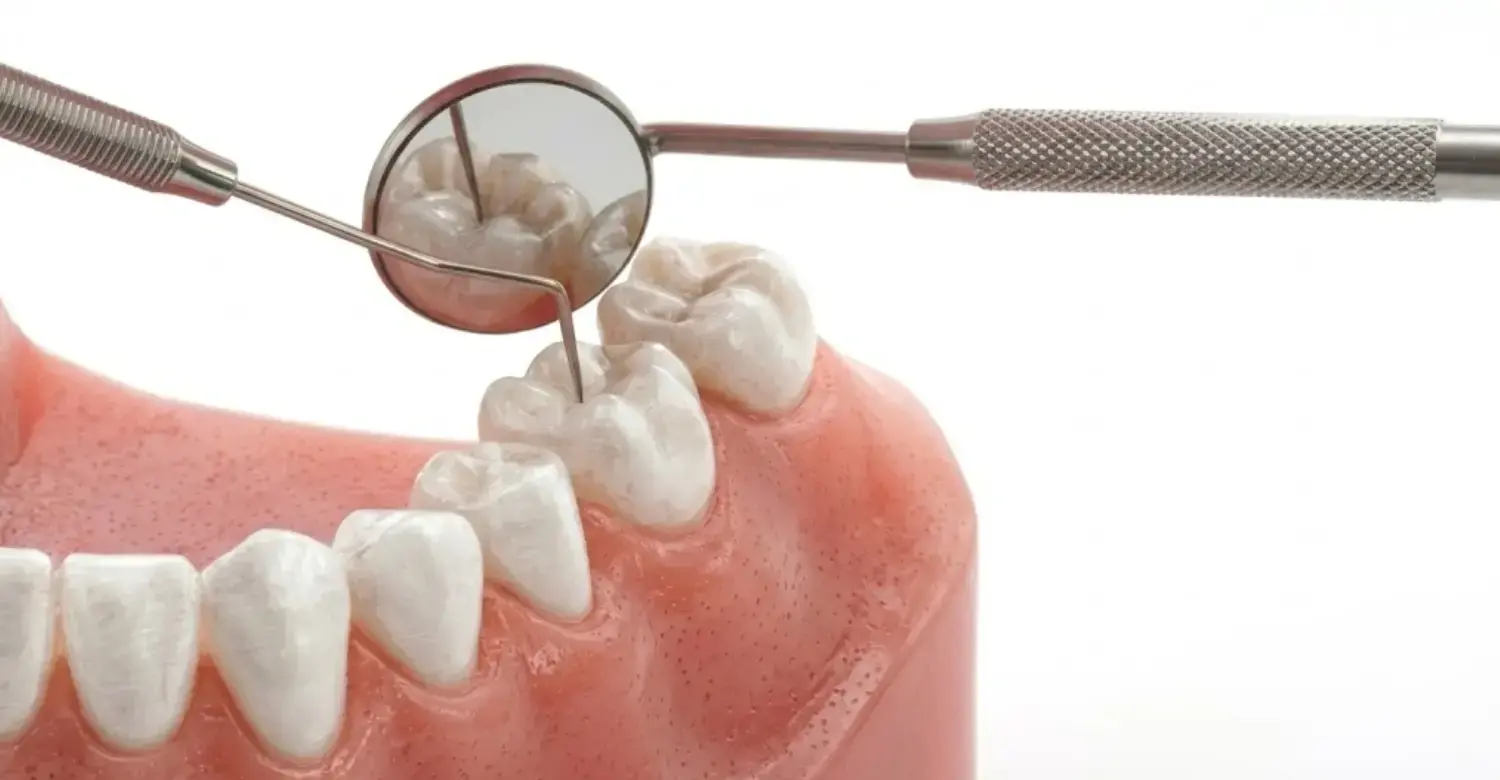
Full mouth rehabilitation is a comprehensive approach to treating dental and gum problems and restoring oral function and the overall appearance of the smile according to each patient's needs.
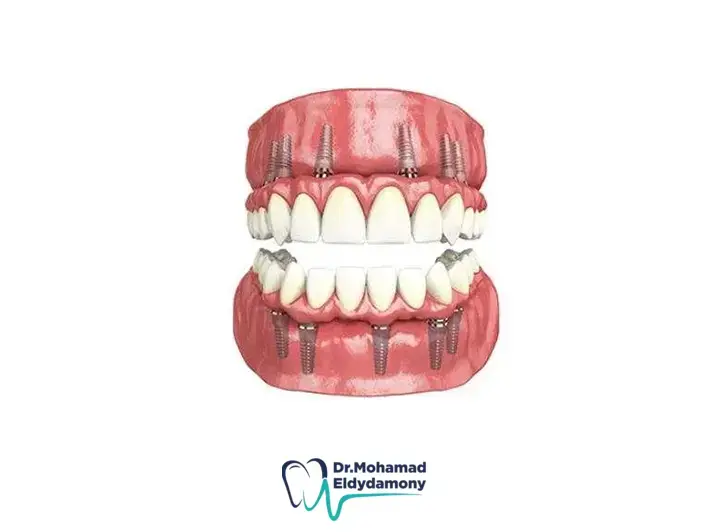
Full-jaw dental implants can provide a stable solution for replacing multiple or missing teeth. Learn about the procedure, bone grafting, healing, and treatment planning at Damas Dental Clinic.
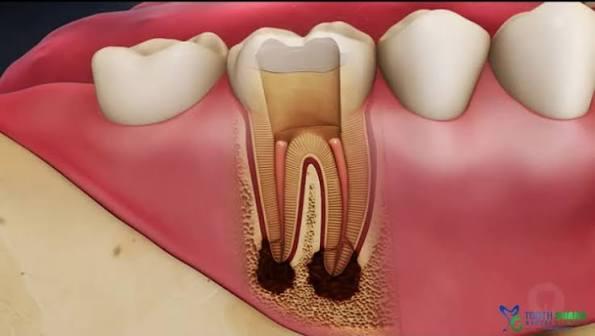
Learn about the causes of root canal treatment, symptoms of infected tooth pulp, the steps of root canal therapy, and what to expect after treatment.

Learn about oral and dental surgery, when surgical treatment may be needed, common conditions that may require surgery, and how to prepare for recovery.
