
🦷 Does Teeth Whitening Damage Enamel? The Medical Truth from Aurea Clinic in El Shorouk
Teeth whitening is one of the most popular cosmetic dental procedures today. However, with its growing popularity, several misconceptions have spread—most notably the belief that whitening can damage or weaken tooth enamel.
In an educational video published by Aurea Clinic | Oral Medicine & Orthodontics Clinic in El Shorouk City, the scientific truth behind this claim was explained in a simple, professional, and evidence-based manner.
📌 Does Teeth Whitening Weaken Enamel?
The short answer: No, this belief is not accurate.
According to the video, teeth whitening does not harm enamel when it is performed:
👨⚕️ Under the supervision of a qualified dentist
🧪 Using medically approved whitening materials
⚖️ With the appropriate concentration tailored to each patient
Under these conditions, whitening is safe and does not cause enamel erosion or weakening.
🧠 Why Do Some People Think Whitening Is Harmful?
This misconception often comes from incorrect practices, such as:
Using unverified or low-quality whitening products
Applying high concentrations without medical supervision
Overusing whitening treatments within short periods
These mistakes may lead to temporary sensitivity or gum irritation, which is often misunderstood as permanent enamel damage.
⚠️ When Can Teeth Whitening Become Unsafe?
Whitening may become harmful in the following cases:
Untreated cavities or existing dental problems
Pre-existing enamel erosion or ضعف
Excessive repetition of whitening sessions in a short time
This is why a proper dental evaluation before whitening is essential to avoid complications.
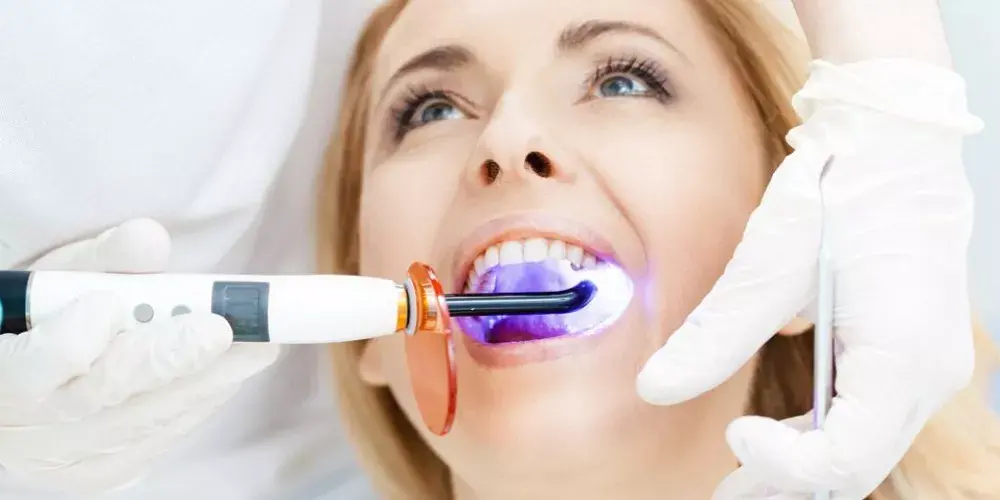
🔍 How Is Teeth Whitening Done Safely?
Safe professional whitening depends on:
Comprehensive assessment of teeth and gums
Choosing the appropriate method (in-clinic or dentist-supervised home whitening)
Adjusting the concentration and duration based on the patient’s condition
As highlighted in the video, personalized treatment planning is the key factor for both safety and effectiveness.
💡 Are Whitening Results Permanent?
Whitening results are not 100% permanent, but they can last for a long time with proper care, such as:
Avoiding staining beverages (like coffee and tea)
Maintaining good oral hygiene
Having touch-up sessions when needed
✅ Conclusion
As explained in the video from Aurea Clinic in El Shorouk, teeth whitening is completely safe and does not damage enamel—provided it is done under professional supervision, using approved materials and appropriate concentrations.
Most of the risks people talk about are actually the result of improper practices—not the whitening procedure itself.
📣 Medical Advice
Avoid random experiments or untrusted products—consulting your dentist is the safest way to achieve a brighter, healthier smile.