Drinking Milk Doesn’t Relieve Poisoning Effects and May Increase Risk
Recent studies warn that milk does not reduce the effects of poisoning and can irritate the stomach and esophagus, delaying proper medical care.

Many believe that drinking milk after food or chemical poisoning can reduce symptoms and lessen the risk, but scientific research shows this is a misconception and may be harmful in certain cases.
Dr. Rania El-Gohary, Research Professor in the Department of Drugs, Stimulants, and Toxins at the National Research Center, explained in her article "The Myth of Milk and Poisoning Relief" that milk does not remove toxins nor mitigate their effects, and can sometimes worsen the condition.
When Milk Can Be Dangerous
Dr. El-Gohary highlighted that milk may be particularly risky after ingesting caustic substances, as it can further irritate the stomach and esophagus, aggravating symptoms.
Proper Response to Poisoning
-
Immediately visit the nearest medical center or contact poison control centers.
-
Avoid foods or drinks that could worsen the condition, including milk in certain poisonings.
-
Follow medical guidance for hydration and medication based on the type of toxin.
Dr. El-Gohary emphasizes that rapid and correct handling of poisoning, instead of relying on home remedies, can prevent serious complications and protect the patient’s health.

Regular health screening is one of the most important steps to maintain good health and detect diseases early. The essential medical checkups for every age help in preventing complications and ensuring a healthier life.
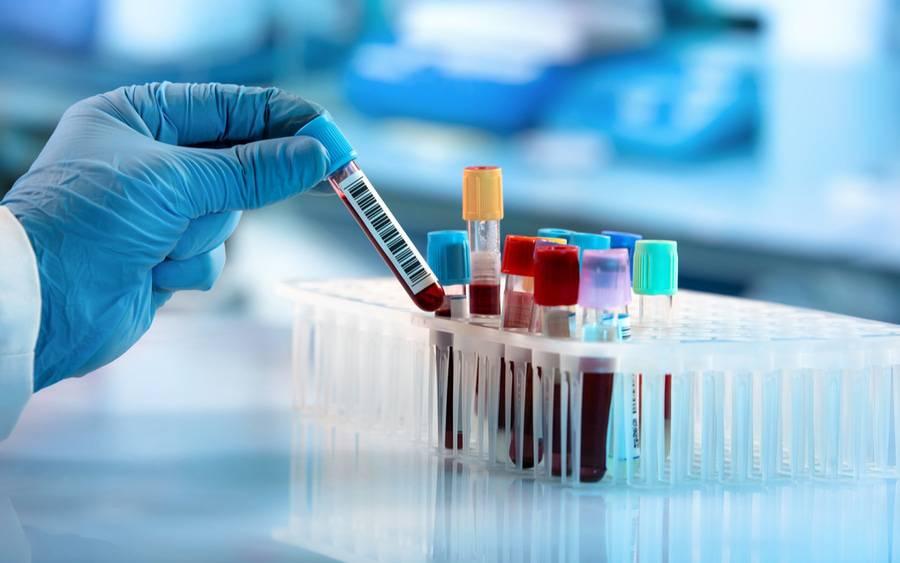
Many people, after doing medical tests, receive their results and immediately start looking at numbers and unfamiliar terms like (High – Low – Normal) without fully understanding what they actually mean.

When dealing with medical services, many people come across different titles for doctors such as “Specialist” and “Consultant”, which can sometimes create confusion about what each title actually means and how they differ from each other.

Choosing the right time to visit a doctor is not a random decision. It can directly affect how quickly a condition is diagnosed and how effective the treatment will be. Many people delay visiting a doctor or go at the wrong time, which may lead to worsening symptoms or delayed care.
