Early Chest and Respiratory Signs That May Seem Mild but Indicate Serious Conditions
Respiratory symptoms often begin in a very mild form, such as a slight cough or mild shortness of breath, and are usually ignored as temporary conditions. However, in some cases, these early signs may indicate underlying problems affecting the lungs, airways, or even the heart.


Early Chest and Respiratory Signs That May Seem Mild but Indicate Serious Conditions
Introduction
Respiratory symptoms often begin in a very mild form, such as a slight cough or mild shortness of breath, and are usually ignored as temporary conditions. However, in some cases, these early signs may indicate underlying problems affecting the lungs, airways, or even the heart.
The main concern is that relying on temporary relief or ignoring symptoms may lead to disease progression, making early awareness essential for better health outcomes.
1. Why Do Respiratory Diseases Start with Mild Symptoms?
The respiratory system has a strong ability to compensate in the early stages of disease, which is why symptoms may not appear clearly at first.
In addition, the body may gradually adapt to reduced oxygen levels or airway irritation before severe symptoms develop.
2. Early Symptoms That Should Not Be Ignored
1. Persistent Mild Cough
If a cough lasts more than 3 weeks, it may indicate conditions such as allergies, asthma, or chronic bronchial inflammation.
2. Shortness of Breath with Minimal Effort
Difficulty breathing during simple activities like walking or climbing stairs may be an early sign of lung or heart problems.
3. Mild Chest Pain or Pressure
Occasional chest discomfort should not be ignored, especially if it becomes recurrent.
4. Wheezing During Breathing
A whistling sound while breathing often indicates airway narrowing, commonly seen in asthma cases.
5. Unexplained Fatigue
Persistent tiredness may result from reduced oxygen supply or decreased lung efficiency.
3. When Do Symptoms Become Serious?
Medical attention is required immediately if the following signs appear:
Sudden and severe shortness of breath
Coughing up blood
Sharp chest pain
Bluish lips or face
Dizziness or fainting
4. Possible Causes Behind These Symptoms
Respiratory infections
Chronic asthma
Allergic chest conditions
Pulmonary embolism
Heart diseases
Long-term exposure to pollution or smoking
5. The Relationship Between Lifestyle and Lung Health
Many respiratory problems are not caused by disease alone but are strongly linked to daily habits, such as:
Smoking or exposure to secondhand smoke
Sedentary lifestyle
Chronic stress
Poor posture during long phone use
Lack of sleep and weak immunity
6. How Is It Diagnosed Medically?
Doctors typically rely on several tests, including:
Chest X-ray
Pulmonary function tests
Oxygen level measurement
ECG (heart test)
Complete blood tests
7. Prevention of Respiratory Diseases
Avoid smoking completely
Reduce exposure to dust and pollutants
Drink water regularly
Engage in regular physical activity
Strengthen immunity through healthy nutrition
Conclusion
Respiratory symptoms often begin mildly, but in some cases they can be early warning signs of serious conditions. Awareness of these symptoms and timely medical consultation play a crucial role in early diagnosis and preventing complications.

Panic attacks are among the most common psychological disorders that cause sudden and intense feelings of fear or anxiety. They may occur without an obvious reason. Although they can feel frightening, they are not dangerous in themselves and can be understood and managed properly.

Many people tend to ignore psychological problems or consider them a normal part of daily life stress. However, in some cases, these symptoms may indicate the need to consult a mental health professional. Understanding when you need a psychiatrist helps in early intervention and improving overall mental well-being.
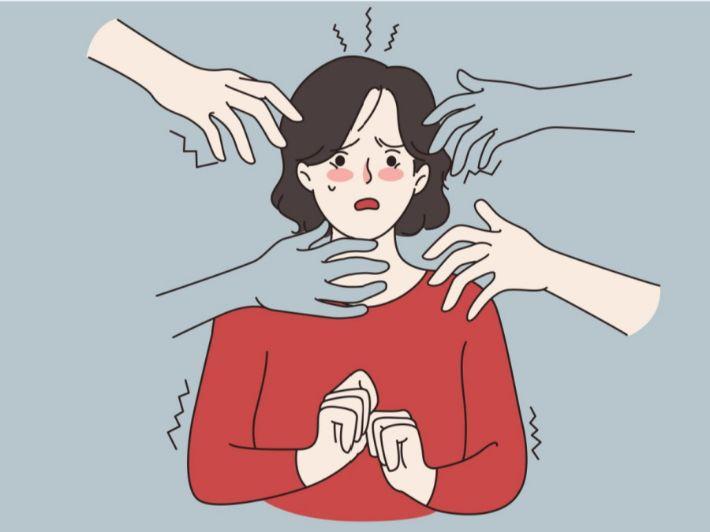
The terms anxiety and stress are often used interchangeably in daily life, but in reality, there are clear differences between them in terms of causes and their impact on a person. Understanding this difference helps in dealing with each condition more effectively.

Depression is one of the most common mental health disorders in modern times. It is not just temporary sadness, but a condition that affects thoughts, emotions, behavior, and physical health as well. Understanding depression symptoms helps in early recognition and seeking help when needed.
