
Why Knee Osteoarthritis Affects Young People? Causes and Modern Treatment
Knee osteoarthritis is no longer a condition limited to older adults. Why does it now affect young people, and what are the real causes behind early cartilage degeneration?
Knee osteoarthritis is increasingly being diagnosed in younger individuals. This shift raises important questions about lifestyle habits, injuries, and genetic factors that accelerate joint wear and tear.
In this article, we explain the main causes of early knee osteoarthritis and highlight the latest medical treatments and prevention strategies.
What is Knee Osteoarthritis?
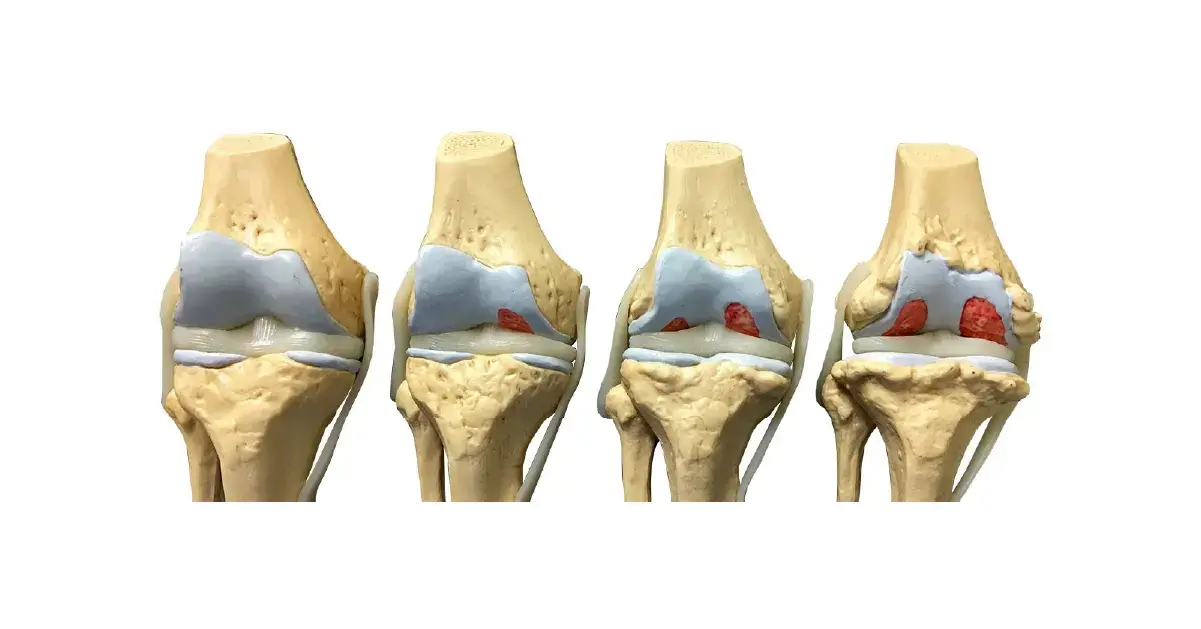
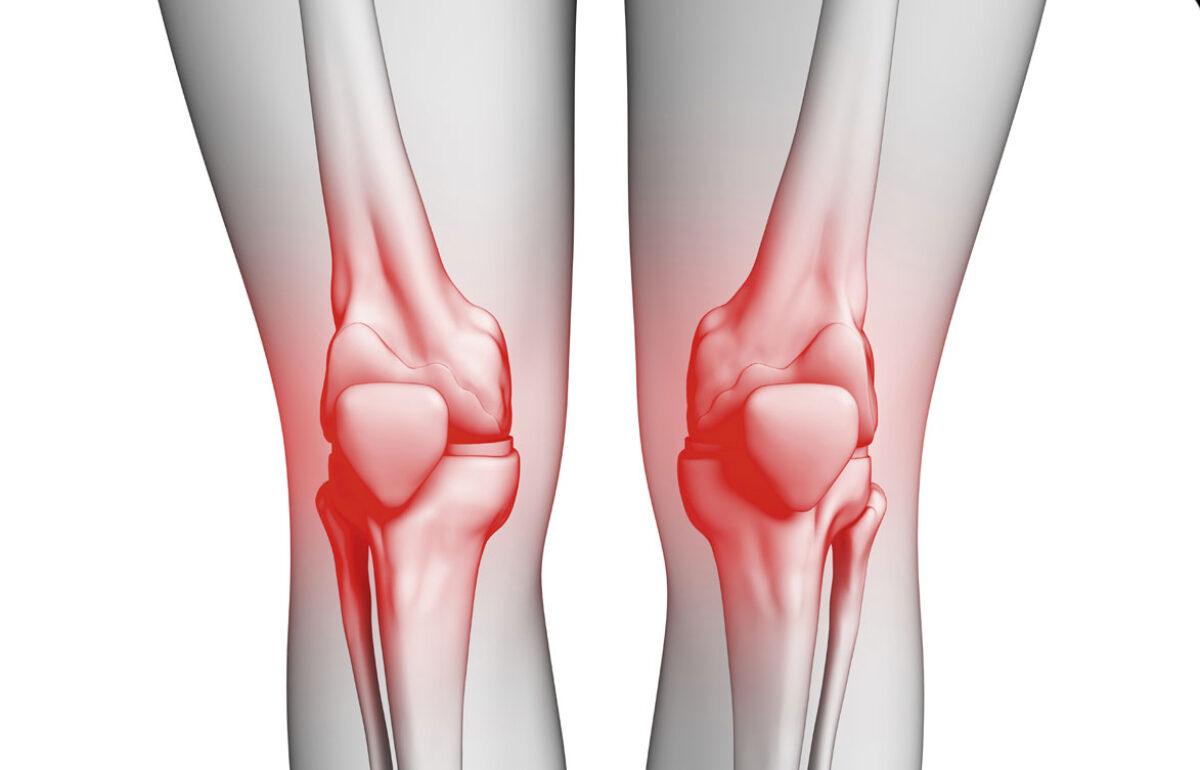
Knee osteoarthritis is a degenerative condition where the cartilage covering the ends of bones gradually wears down, leading to bone friction, pain, stiffness, and reduced mobility.
When it occurs at a young age, it is usually linked to external factors rather than natural aging.
Why Does Knee Osteoarthritis Affect Young People?
The most common causes include:
1. Obesity and Excess Weight
Excess body weight increases pressure on the knee joint, accelerating cartilage breakdown even at a young age.
2. Sports Injuries
Injuries such as ACL tears or meniscus damage can lead to early osteoarthritis if not properly treated and rehabilitated.
3. Sedentary Lifestyle
Long sitting hours and poor posture weaken the muscles supporting the knee joint, increasing stress on cartilage.
4. Overtraining
Intense or incorrect exercise routines can accelerate joint wear, especially in athletes or gym-goers.
5. Genetic Factors
Some individuals inherit weaker cartilage structures, making them more prone to early degeneration.
6. Vitamin Deficiency
Low levels of vitamin D and calcium may negatively affect bone and joint health.
Early Symptoms of Knee Osteoarthritis
Common symptoms include:
- Knee pain during movement or climbing stairs
- Morning stiffness
- Clicking or cracking sounds
- Mild swelling around the knee
- Difficulty bending or straightening the knee
Diagnosis Methods
Doctors use several tools to diagnose the condition:
- Clinical knee examination
- X-rays to assess joint damage
- MRI scans in advanced cases
- Review of medical history and injuries
Early diagnosis plays a key role in slowing disease progression.
Modern Treatment Options
1. Medication
Pain relievers and anti-inflammatory drugs help reduce symptoms.
2. Physical Therapy
Strengthens surrounding muscles and improves joint stability.
3. Injection Therapy
PRP and hyaluronic acid injections improve lubrication and reduce pain.
4. Weight Loss
Reduces pressure on the knee joint significantly.
5. Lifestyle Modification
Includes posture correction, activity adjustment, and safe exercise routines.
6. Surgery (Advanced Cases)
Used only when conservative treatments fail.
Prevention Tips
- Maintain a healthy weight
- Exercise regularly and moderately
- Avoid sports injuries and treat them early
- Strengthen thigh and leg muscles
- Follow a balanced diet
Conclusion
Knee osteoarthritis in young people is no longer rare. It is strongly linked to modern lifestyle habits, injuries, and lack of physical activity.
Early diagnosis and proper treatment can significantly slow progression and improve quality of life.