
Early Signs of Kidney and Urinary Tract Problems You Should Not Ignore: When Are Symptoms Mild and When Are They Serious?
Introduction
Kidney and urinary tract diseases are among the most common health problems, yet they often begin with mild symptoms that many people overlook, such as a burning sensation during urination or changes in urine color.
The danger lies in the fact that these signs may be early warnings of more serious conditions like urinary tract infections, kidney stones, or even impaired kidney function. Therefore, awareness of these symptoms is essential for early diagnosis and effective treatment.
First: What Is the Kidney and Urinary Tract Specialty?
It is a medical specialty concerned with diagnosing and treating diseases affecting:
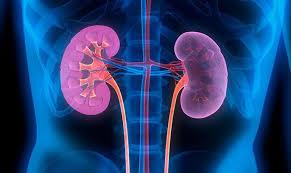
The kidneys
The ureters
The bladder
The urethra
It also includes the management of conditions such as urinary tract infections, kidney stones, and urination disorders.
Second: Early Symptoms You Should Not Ignore
1. Burning Sensation During Urination
One of the most common symptoms, often indicating a urinary tract infection.
2. Frequent Urination
Urinating frequently, especially at night, may signal bladder issues or infection.
3. Changes in Urine Color
Dark urine or urine containing blood may indicate infection or kidney stones.
4. Lower Back or Side Pain
This may be associated with kidney problems such as stones or infections.
5. Difficulty or Interrupted Urination
This could indicate a blockage in the urinary tract or prostate issues in men.
Third: When Do Symptoms Become Serious?
You should seek medical attention immediately if you notice:
Visible blood in urine
Severe and sudden back or abdominal pain
Fever همراه with pain during urination
Swelling in the body or feet
Significant decrease in urine output
Fourth: Common Causes of Kidney and Urinary Tract Diseases
Urinary tract infections
Kidney stones
Dehydration (low water intake)
Holding urine for long periods
Diabetes
High blood pressure
Fifth: The Role of Lifestyle in Kidney Health
Daily habits play a major role in maintaining kidney health, such as:
Low water intake leading to stone formation
Excess salt intake straining the kidneys
Smoking affecting blood flow to the kidneys
Ignoring infections leading to complications
Sixth: How Is It Diagnosed?
Doctors rely on several tests, including:
Urine analysis
Kidney function tests (creatinine and urea)
Abdominal or kidney imaging
Ultrasound
CT scan in certain cases
Seventh: Treatment Options
Treatment depends on the cause and may include:
Antibiotics for infections
Medications to dissolve or pass kidney stones
Dietary adjustments
Adequate hydration
Surgical intervention in advanced cases
Tips for Maintaining Kidney and Urinary Tract Health
Drink 2–3 liters of water daily
Reduce salt intake
Avoid delaying urination
Maintain personal hygiene
Treat infections early
When Should You See a Doctor?
If symptoms persist for more than two days
If you experience severe back or abdominal pain
If there is blood in your urine
If urinary tract infections recur frequently
Conclusion
Kidney and urinary tract diseases may begin with mild symptoms, but they can develop into serious conditions if ignored. Early awareness, a healthy lifestyle, and regular check-ups are essential steps to protect kidney health and prevent complications.