Early Warning Signs of Oral Problems: Sudden Tooth Pain and Gum Bleeding Explained
Oral health issues are among the most common medical concerns, yet many people tend to ignore early warning signs such as sudden tooth pain or mild gum bleeding. These symptoms may appear minor at first, but they can sometimes indicate deeper dental problems that require prompt attention.
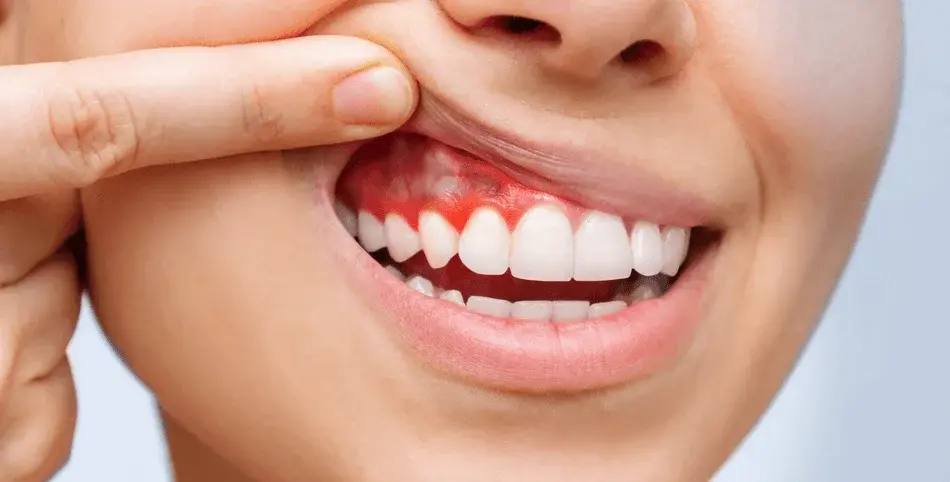

Early Warning Signs of Oral Problems: Sudden Tooth Pain and Gum Bleeding Explained
Introduction
Oral health issues are among the most common medical concerns, yet many people tend to ignore early warning signs such as sudden tooth pain or mild gum bleeding. These symptoms may appear minor at first, but they can sometimes indicate deeper dental problems that require prompt attention.
Understanding the difference between temporary discomfort and serious conditions is essential to prevent complications and maintain healthy teeth and gums.
First: Why Oral Symptoms Are Often Ignored
Many individuals underestimate dental symptoms due to several reasons:
Assuming the pain will go away on its own
Relying on painkillers instead of proper diagnosis
Fear of visiting the dentist
Lack of awareness about oral health risks
Considering gum bleeding as a normal occurrence
Second: Sudden Tooth Pain
What Is Sudden Tooth Pain?
It is a sharp or throbbing pain that appears suddenly in one or more teeth, often triggered by eating, drinking, or even without a clear cause.
Common Causes
Tooth decay reaching deeper layers
Inflamed or infected dental pulp
Dental abscess
Enamel erosion
Tooth sensitivity
Cracked or damaged tooth
When Is Tooth Pain a Warning Sign?
Tooth pain becomes serious if:
It lasts more than 48 hours
It worsens over time
It is accompanied by swelling
There is fever or general fatigue
Pus appears around the tooth
Quick Relief Tips Before Seeing a Dentist
Use over-the-counter pain relievers if needed
Rinse with warm salt water
Avoid very hot or cold foods
Chew on the opposite side
Apply a cold compress to reduce swelling
Third: Gum Bleeding
What Is Gum Bleeding?
It is the appearance of blood from the gums during brushing, flossing, or even spontaneously in some cases.
Main Causes
Plaque and tartar buildup
Gingivitis (early gum inflammation)
Brushing too hard
Using a hard-bristled toothbrush
Vitamin deficiencies, especially Vitamin C
Hormonal changes
Advanced gum disease (periodontitis)
When Is Gum Bleeding Dangerous?
Gum bleeding may indicate a serious issue if:
It occurs frequently without a clear reason
It is associated with swelling and redness
There is persistent bad breath
The gums begin to recede
Teeth become loose
Fourth: The Link Between Tooth Pain and Gum Problems
Tooth pain and gum bleeding are often interconnected. Gum infections can spread to surrounding tissues and affect the roots of the teeth, leading to pain and sensitivity.
Ignoring gum health can eventually result in tooth damage or even tooth loss.
Fifth: Warning Signs That Require Immediate Dental Attention
Severe and persistent tooth pain
Swelling in the face or gums
Continuous gum bleeding
Presence of pus or infection
Difficulty chewing or opening the mouth
Sudden changes in tooth color or structure
Sixth: How Dentists Diagnose the Problem
Clinical examination of teeth and gums
Dental X-rays
Assessment of gum health
Identifying signs of infection or decay
Seventh: Treatment Options
The treatment depends on the underlying cause and may include:
Dental fillings for cavities
Root canal treatment for nerve infections
Professional cleaning to remove plaque and tartar
Medications for gum infections
Surgical procedures in advanced cases
Prevention Tips for Healthy Teeth and Gums
Brush your teeth at least twice daily
Use dental floss regularly
Choose a soft-bristled toothbrush
Limit sugary foods and drinks
Visit the dentist regularly for check-ups
Maintain a balanced diet rich in vitamins
Conclusion
Sudden tooth pain and gum bleeding are not always harmless symptoms. While they may sometimes result from minor issues, they can also be early indicators of serious dental conditions.
Paying attention to these signs and seeking timely dental care can prevent complications and ensure long-term oral health.

Panic attacks are among the most common psychological disorders that cause sudden and intense feelings of fear or anxiety. They may occur without an obvious reason. Although they can feel frightening, they are not dangerous in themselves and can be understood and managed properly.

Many people tend to ignore psychological problems or consider them a normal part of daily life stress. However, in some cases, these symptoms may indicate the need to consult a mental health professional. Understanding when you need a psychiatrist helps in early intervention and improving overall mental well-being.
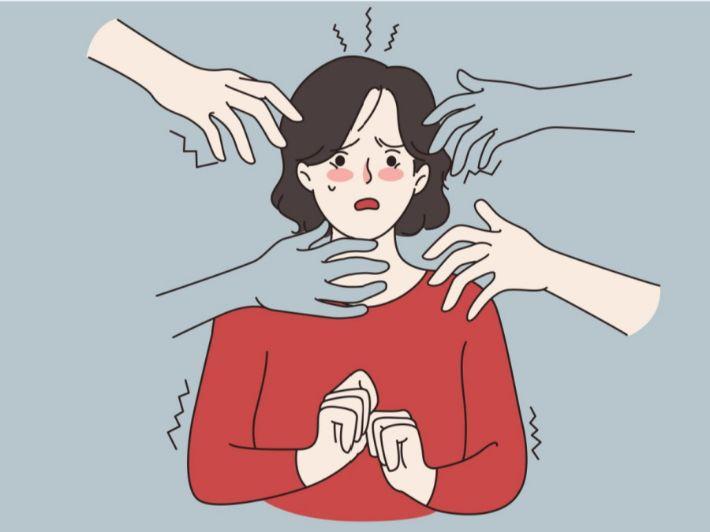
The terms anxiety and stress are often used interchangeably in daily life, but in reality, there are clear differences between them in terms of causes and their impact on a person. Understanding this difference helps in dealing with each condition more effectively.

Depression is one of the most common mental health disorders in modern times. It is not just temporary sadness, but a condition that affects thoughts, emotions, behavior, and physical health as well. Understanding depression symptoms helps in early recognition and seeking help when needed.
