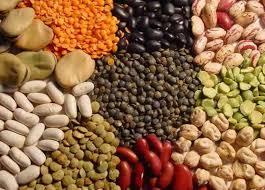

Legumes are among the most nutritious foods recommended by nutrition experts, especially during the holy month of Ramadan. After long fasting hours, the body needs balanced nutrients that help restore energy and vitality.
Legumes include a wide variety of foods such as beans, lentils, fava beans, and cowpeas. These foods are widely present on iftar tables in many households due to their rich nutritional value.
Their importance lies in the nutrients they provide, including plant-based protein, fiber, vitamins, and essential minerals that help the body recover after fasting and maintain vital functions.
Rich Source of Plant-Based Protein
Legumes provide plant-based protein, which plays an important role in building muscles and supporting the body’s natural repair processes. They are also a good option for individuals who prefer to reduce their consumption of meat while maintaining a balanced diet.
High in Fiber for Better Digestion
Legumes are rich in dietary fiber, which helps improve digestion and regulate bowel movement. This is particularly helpful during Ramadan, when changes in meal timing can sometimes lead to digestive discomfort. Fiber also helps promote a feeling of fullness for longer periods.
Helps Regulate Blood Sugar Levels
The combination of protein and fiber in legumes slows the absorption of sugar in the body. This helps maintain stable energy levels after iftar and prevents sudden spikes in blood sugar.
Packed with Essential Minerals
Legumes also contain important minerals such as iron, magnesium, and potassium. Iron helps reduce fatigue after fasting, while potassium supports heart health and helps regulate blood pressure.
Studies suggest that regularly consuming legumes may help lower harmful cholesterol levels due to their fiber and beneficial plant compounds, which may reduce the long-term risk of heart disease.
Nutrition experts advise consuming legumes in moderation as part of a balanced iftar meal that includes fresh vegetables and whole grains, while limiting excess salt and fat during cooking. Soaking legumes before cooking is also recommended to improve digestion and reduce bloating.
For more details and the latest news, follow Masr Connect