
Endocrine Disorders: Thyroid Problems and Insulin Resistance, Symptoms and Treatment
Introduction
Endocrine disorders are among the most common medical conditions affecting vital body functions because hormones regulate energy, weight, growth, and blood sugar levels.
Two of the most common conditions are thyroid disorders and insulin resistance. Both may seem mild at the beginning, but if left untreated, they can lead to serious complications such as diabetes and metabolic disorders.
What is the Endocrine System?
The endocrine system is responsible for producing hormones that regulate many functions in the body. It includes:
Thyroid gland
Pancreas
Pituitary gland
Adrenal glands
Reproductive glands
Any imbalance in these glands can affect the entire body.
First: Thyroid Disorders
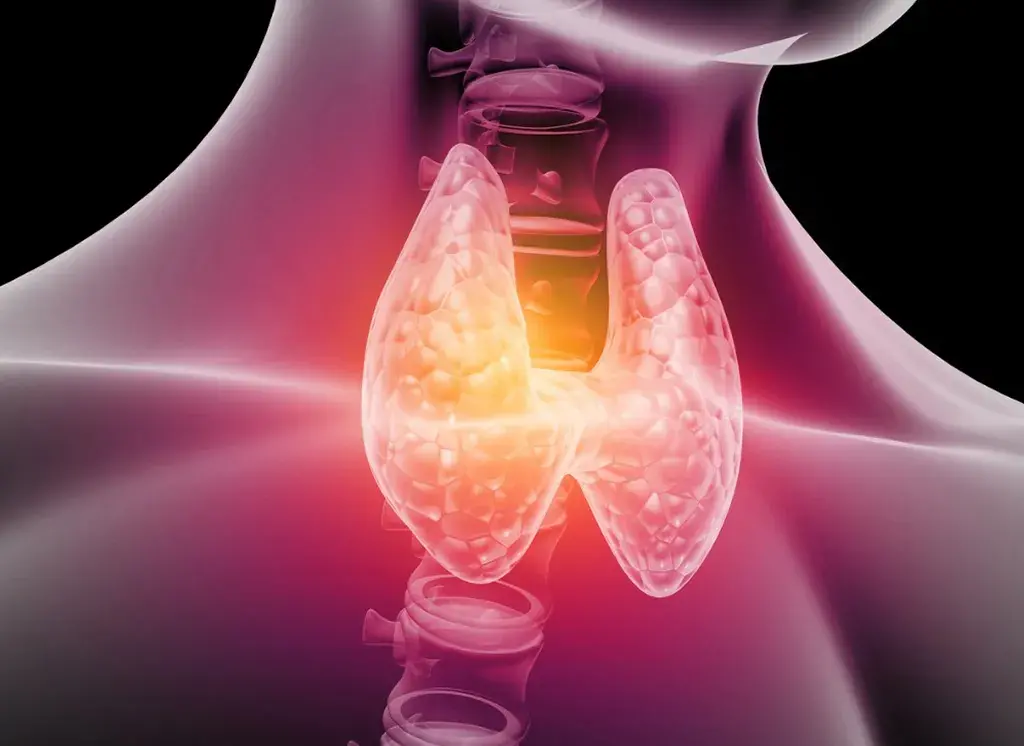
What is the thyroid gland?
The thyroid is a small gland located in the front of the neck. It controls metabolism and energy production in the body.
Symptoms of Thyroid Disorders
Hypothyroidism symptoms
Unexplained weight gain
Severe fatigue
Cold intolerance
Dry skin
Hair loss
Slow heart rate
Hyperthyroidism symptoms
Rapid weight loss
Excessive sweating
Anxiety and irritability
Heart palpitations
Hand tremors
Difficulty sleeping
Symptoms many people ignore
Sudden mood changes
Poor concentration
Irregular menstrual cycle
Neck swelling
Unexplained fatigue
Diagnosis of Thyroid Disorders
TSH test
T3 and T4 tests
Thyroid ultrasound
Physical neck examination
Treatment of Thyroid Disorders
Hormone-regulating medications
Iodine treatment in specific cases
Regular hormone monitoring
Surgery in advanced cases
Second: Insulin Resistance
What is insulin resistance?
It is a condition in which the body's cells do not respond properly to insulin, leading to high blood sugar levels.
This condition is considered an early stage that may progress to type 2 diabetes if not properly managed.
Causes of Insulin Resistance
Obesity and excess weight
Lack of physical activity
High sugar intake
Genetic factors
Hormonal imbalance
Symptoms of Insulin Resistance
Weight gain, especially around the abdomen
Constant hunger
Fatigue and low energy
Difficulty losing weight
Dark skin patches around the neck or underarms
Is insulin resistance dangerous?
Yes, because it can develop into type 2 diabetes if not treated early.
Diagnosis of Insulin Resistance
Fasting blood sugar test
HbA1c test
Fasting insulin test
Treatment of Insulin Resistance
Reducing sugar and carbohydrate intake
Regular physical exercise
Weight loss
Medications to improve insulin sensitivity in some cases
Prevention of Endocrine Disorders
Healthy diet
Regular exercise
Avoid excessive sugar intake
Regular medical checkups
Weight management
When should you see a doctor?
Sudden weight changes
Persistent fatigue
Irregular heartbeat
Long-lasting unexplained symptoms
Conclusion
Thyroid disorders and insulin resistance are common endocrine conditions, but they are treatable when detected early. Paying attention to symptoms and regular screening helps prevent serious complications such as diabetes and chronic hormonal imbalance.