


Endometriosis: Symptoms and Treatment Options | Dr Amr Mostafa Saleheen
Some women experience severe menstrual pain, recurring pelvic discomfort, or difficulty becoming pregnant without knowing the cause. In some cases, these symptoms may be associated with endometriosis, a condition that can affect daily activities and fertility. Understanding its symptoms, diagnosis, and treatment options can help patients seek appropriate medical assessment. A consultation with Dr Amr Mostafa Saleheen can provide an opportunity to discuss symptoms and determine which examinations and treatment options may be suitable for the individual case.
Contact Information
For appointments and enquiries, use the following contact details:
-
Dr Amr Mostafa Saleheen
-
Phone and WhatsApp: 01142264727
-
Centre telephone numbers: 01118459195 – 01555570940 – 0882480765
-
Address: El-Farghal Square, opposite the Health Administration, Abutig, Assiut Governorate, Egypt.
-
Working hours: 2:00 PM to 8:00 PM.
What Is Endometriosis?
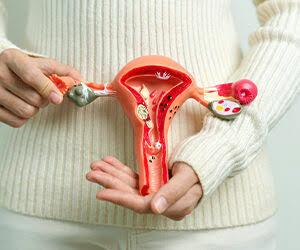
Endometriosis is a condition in which tissue similar to the lining of the uterus grows outside the uterine cavity. It commonly affects areas within the pelvis, including the ovaries, fallopian tubes, and tissues around the uterus. In some cases, it may also affect organs such as the bladder or bowel.
These tissues respond to hormonal changes during the menstrual cycle and may contribute to inflammation, pain, scar tissue, and adhesions between organs. The condition varies from one person to another. Some women experience symptoms that interfere with daily life, while others may have few or no noticeable symptoms.
Endometriosis does not necessarily cause infertility in every patient, but it may make conception more difficult for some women, depending on the extent of the disease and its effects on the reproductive organs.
What Are the Symptoms of Endometriosis?
Symptoms vary according to the location and extent of the condition, and their severity may change over time. Common symptoms include:
-
Severe menstrual pain: Pain may be more intense than typical menstrual cramps and may interfere with daily activities.
-
Persistent or recurring pelvic pain: Pain may occur before or during menstruation and may continue at other times.
-
Pain during or after sexual intercourse: This may be especially noticeable when the pain is deep or recurrent.
-
Pain during urination or bowel movements: Symptoms may become worse around the menstrual period.
-
Heavy menstrual bleeding or unusual bleeding: These symptoms can have other causes and require appropriate assessment.
-
Fatigue: Ongoing pain, sleep disruption, or heavy bleeding may contribute to tiredness.
-
Difficulty becoming pregnant: Endometriosis may affect fertility in some women.
Having one or more of these symptoms does not confirm endometriosis, and the absence of severe symptoms does not rule it out. Diagnosis requires an assessment of the overall clinical picture.
What Causes Endometriosis?
There is no single confirmed cause that explains every case of endometriosis. Research suggests that hormonal, immune, and genetic factors may play a role, but the exact mechanisms are still being studied.
A family history of endometriosis may increase the likelihood of developing the condition, although it does not mean that every woman with an affected relative will develop it.
Severe or recurring menstrual pain should not automatically be considered a normal part of menstruation. When pain affects daily activities or quality of life, medical assessment is advisable.
How Is Endometriosis Diagnosed?
Assessment usually begins with a discussion of symptoms and menstrual history, including when the pain occurs, how long it lasts, and how it affects daily activities. A suitable clinical examination may also be considered, depending on the circumstances and the patient's consent.
A pelvic ultrasound may be recommended. A transvaginal ultrasound may be appropriate for some patients, depending on the clinical assessment. In selected cases, an MRI scan may help evaluate the extent of the disease, particularly when deep endometriosis is suspected.
A normal scan does not rule out every form of endometriosis because some superficial lesions may not be visible on imaging. Laparoscopy may be considered in selected cases when further assessment or surgical treatment is needed, but surgery is not always required before treatment can begin.
What Are the Treatment Options for Endometriosis?
Treatment depends on the severity of symptoms, their effect on daily life, the location of the disease, overall health, and whether the patient wishes to become pregnant. There is no single treatment suitable for everyone, so the plan should be based on medical assessment and a discussion of potential benefits and risks.
Pain-Relieving Medication
A doctor may recommend medication to relieve menstrual or pelvic pain. The appropriate option depends on the patient's health and other medications. Repeated use or unsuitable doses of painkillers should be avoided without medical advice.
Hormonal Treatment
Some hormonal treatments can reduce pain and menstrual symptoms. Options may include hormonal contraceptives, progestin-based medicines, and other medications in selected cases.
Treatment choice depends on the patient's symptoms, health, and pregnancy plans. Some hormonal treatments are not suitable for people trying to conceive while taking them. Expected benefits and possible side effects should be discussed before treatment begins.
Surgery
Surgery, including laparoscopy, may be considered when symptoms are severe, medication has not provided adequate relief, or treatment is needed for certain ovarian cysts, adhesions, or endometriosis lesions.
The decision depends on the extent of the disease, treatment goals, and potential risks. Symptoms may return in some patients after surgery, so expected outcomes and follow-up plans should be discussed in advance.
Treatment When Pregnancy Is Delayed
When a patient wishes to become pregnant and is experiencing difficulty conceiving, treatment planning should take that goal into account. Assessment may involve both partners and consideration of age, the duration of infertility, and the condition of the ovaries and fallopian tubes.
Depending on the medical evaluation, options may include fertility monitoring or assisted reproductive treatments. An endometriosis diagnosis does not mean pregnancy is impossible; fertility outcomes vary from one person to another.
Can Endometriosis Be Prevented?
There is currently no established method that reliably prevents endometriosis. However, recognising persistent symptoms and seeking assessment for severe menstrual pain may help patients obtain appropriate care sooner.
Keeping a record of menstrual dates, pain severity, and associated symptoms can help explain the pattern during a consultation. Following the treatment plan and attending follow-up appointments can also help assess the response to treatment and determine whether adjustments are needed.
When Should You Seek Medical Assessment?
Arrange a medical appointment if menstrual pain repeatedly interferes with work, study, or daily activities, or if you experience persistent pelvic pain, pain during intercourse, painful urination or bowel movements, or difficulty becoming pregnant.
Sudden, severe abdominal or pelvic pain—especially when accompanied by fainting, severe dizziness, heavy bleeding, or a possibility of pregnancy—requires urgent medical assessment because other conditions may need prompt treatment.
Arrange an Endometriosis Consultation
If you experience recurring menstrual pain or symptoms that may be associated with endometriosis, a medical assessment can help identify possible causes and discuss appropriate diagnostic and treatment options.
You can contact Dr Amr Mostafa Saleheen using the phone or WhatsApp number below, or enquire about appointments at the centre in Abutig, Assiut Governorate.
