Even in the Cold: Signs Your Body Needs Water
Cold weather reduces thirst sensation, increasing the risk of dehydration. Learn the key signs your body needs hydration this winter.

During cold weather, the body’s natural thirst response decreases, often leading to lower water intake without realizing it. This can result in dehydration and various health issues, according to Cleveland Clinic.
Here are the main signs that indicate your body needs more water in cold temperatures:
-
Dark urine and reduced urination:
Dark yellow or amber urine indicates dehydration, while light yellow or clear urine shows adequate hydration. -
Headaches:
Low water levels reduce blood flow to the brain, often causing headaches or migraines. -
Fatigue or low energy:
Dehydration can cause tiredness or sluggishness due to poor blood circulation. -
Dizziness or lightheadedness:
Standing up quickly may cause dizziness due to reduced blood volume and pressure. -
Muscle cramps and joint pain:
Water is essential for muscle function and joint lubrication; dehydration increases stiffness and pain. -
Rapid heartbeat:
Severe dehydration can lead to faster heartbeats to compensate for reduced blood flow. -
Irritability and confusion:
Dehydration affects brain function, causing mental fog, difficulty focusing, mood swings, or confusion. -
Increased hunger:
Sometimes the body confuses thirst with hunger, leading to overeating instead of drinking water.
Tip: Ensure you drink sufficient water daily, even in cold weather, and watch for dehydration signs to prevent health complications.

Regular health screening is one of the most important steps to maintain good health and detect diseases early. The essential medical checkups for every age help in preventing complications and ensuring a healthier life.
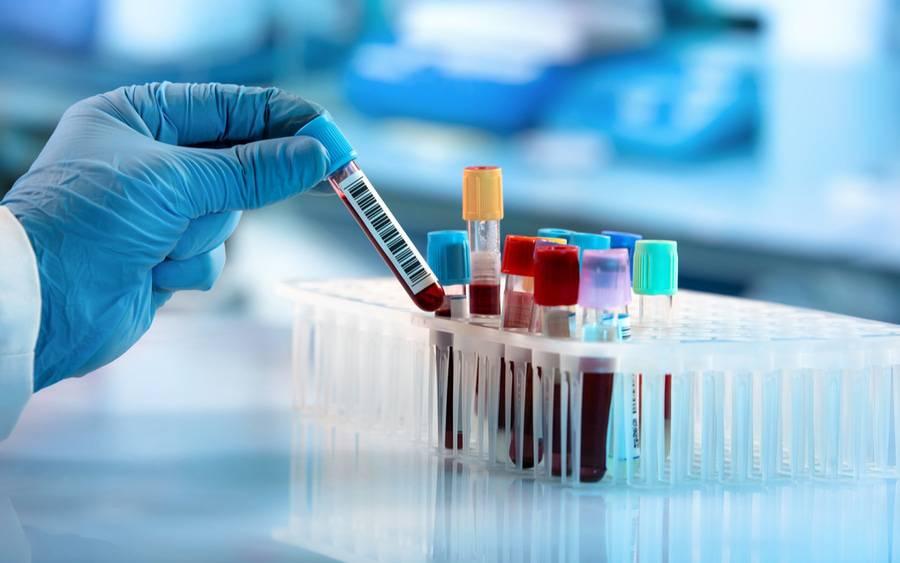
Many people, after doing medical tests, receive their results and immediately start looking at numbers and unfamiliar terms like (High – Low – Normal) without fully understanding what they actually mean.

When dealing with medical services, many people come across different titles for doctors such as “Specialist” and “Consultant”, which can sometimes create confusion about what each title actually means and how they differ from each other.

Choosing the right time to visit a doctor is not a random decision. It can directly affect how quickly a condition is diagnosed and how effective the treatment will be. Many people delay visiting a doctor or go at the wrong time, which may lead to worsening symptoms or delayed care.
