Eye Specialist Warns: Blurred Vision May Signal Early Blood Sugar Imbalance
An eye specialist revealed that sudden or recurring blurred vision could be an early warning sign of blood sugar imbalance, emphasizing early detection to prevent serious eye complications.
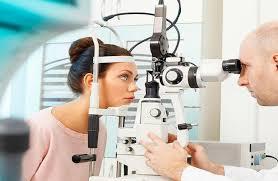
An eye specialist cautioned against dismissing blurred vision as mere fatigue or excessive screen use, noting it could indicate early signs of blood sugar imbalance.
How High Blood Sugar Affects the Eyes
High blood sugar causes the lens to absorb excess glucose, drawing in fluid, swelling, and changing its shape. This affects the eye's ability to focus light accurately on the retina, leading to temporary blurred vision. Rapid fluctuations in blood sugar can cause ongoing visual focus problems.
Risks of Chronic High Blood Sugar
Chronic high blood sugar may damage tiny blood vessels in the retina, leading to diabetic retinopathy, a serious condition that can result in vision loss if not diagnosed and treated early. Early stages often show no obvious symptoms.
Tips to Protect Your Eyes
Regular monitoring and control of blood sugar
Balanced and healthy diet
Regular physical activity
Adequate water intake
Comprehensive and periodic eye check-ups

Regular health screening is one of the most important steps to maintain good health and detect diseases early. The essential medical checkups for every age help in preventing complications and ensuring a healthier life.

Many people, after doing medical tests, receive their results and immediately start looking at numbers and unfamiliar terms like (High – Low – Normal) without fully understanding what they actually mean.

When dealing with medical services, many people come across different titles for doctors such as “Specialist” and “Consultant”, which can sometimes create confusion about what each title actually means and how they differ from each other.

Choosing the right time to visit a doctor is not a random decision. It can directly affect how quickly a condition is diagnosed and how effective the treatment will be. Many people delay visiting a doctor or go at the wrong time, which may lead to worsening symptoms or delayed care.
