
Fast Heartbeats in 10th of Ramadan: Causes and When to Seek Medical Evaluation | Specialized Heart Center – Dr. Abdullah
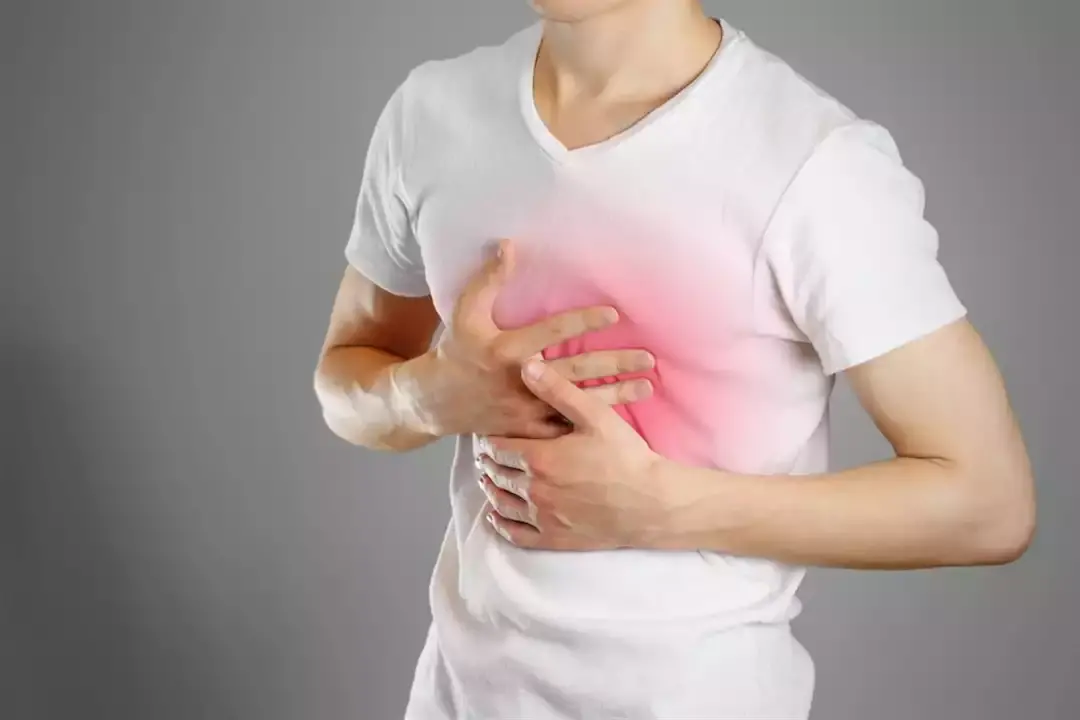
Some people may feel that their heart is beating faster or harder than usual, whether during physical activity or even while resting. In some situations, fast heartbeats can be a normal response to exercise, stress, or emotional excitement. In other cases, they may be related to an abnormal heart rhythm or another health condition that requires medical evaluation.
Repeated episodes of a rapid heartbeat, especially when they occur suddenly or without an obvious reason, should not be ignored. This is particularly important when fast heartbeats are accompanied by dizziness, shortness of breath, chest pain, or a feeling of fainting.
At Specialized Heart Center – Dr. Abdullah in 10th of Ramadan City, patients experiencing palpitations or fast heartbeats can receive an appropriate medical evaluation based on their symptoms and individual condition.
 2. Specialized Heart Center – Dr. Abdullah Contact Information
📍 Detailed Address:
10th of Ramadan City – Jordanian Area – Al-Kamal Center – next to Techno Scan Radiology – behind Cinco Mall and Alexandria Library – above Dr. Nadia Pharmacy.
📞 Phone Numbers:
• 01099559224
• 01220664555
• Landline: 055/4466667
3. What Are Fast Heartbeats?
Fast heartbeats refer to an increased heart rate above the person's usual resting rate. Medically, tachycardia generally refers to a heart rate exceeding 100 beats per minute.
However, a fast heartbeat does not always indicate a heart problem. It is normal for the heart rate to increase during exercise, stress, fear, or emotional excitement.
On the other hand, repeated episodes of a rapid heartbeat while resting or without an obvious trigger may require medical evaluation to identify the underlying cause.
4. What Causes Fast Heartbeats?
There are several possible causes of fast heartbeats or palpitations, including:
- Stress, anxiety, and emotional excitement.
- Intense physical activity.
- Lack of sleep.
- Excessive caffeine consumption.
- Smoking and nicotine.
- Certain medications and stimulants.
- Fever or increased body temperature.
- Some thyroid disorders.
- Anemia in certain cases.
- Abnormal heart rhythms.
- Some heart conditions.
The exact cause cannot always be determined based on symptoms alone. Depending on the situation, a doctor may recommend an examination and certain tests.
5. Are Fast Heartbeats Always Dangerous?
Not necessarily.
A temporary increase in heart rate can be completely normal during exercise or stressful situations.
However, repeated palpitations, unexplained rapid heartbeats, or episodes accompanied by other symptoms should be medically evaluated to determine whether they are related to an abnormal heart rhythm or another health condition.
The heart rate alone cannot determine whether the condition is serious.
6. What Symptoms May Accompany Fast Heartbeats?
During an episode of rapid heartbeat, a person may experience:
- A sensation of rapid or pounding heartbeats.
- Strong heartbeats in the chest.
- Fluttering or irregular heartbeat.
- Dizziness or lightheadedness.
- Weakness or fatigue.
- Shortness of breath.
- Chest pain or pressure.
- A feeling of near-fainting or actual fainting.
Symptoms can vary from one person to another, and some heart rhythm disorders may occur with few or no noticeable symptoms.
7. When Should Fast Heartbeats Be Medically Evaluated?
It is important to consult a cardiologist if fast heartbeats:
- Occur repeatedly.
- Last longer than usual.
- Occur while resting without an obvious reason.
- Appear suddenly or severely for the first time.
- Are accompanied by dizziness, weakness, or shortness of breath.
- Occur in someone with a history of heart disease.
- Are associated with noticeable irregular heartbeats.
Medical evaluation can help determine whether the symptoms are related to a temporary trigger or require further investigation.
8. When Can Fast Heartbeats Be an Emergency?
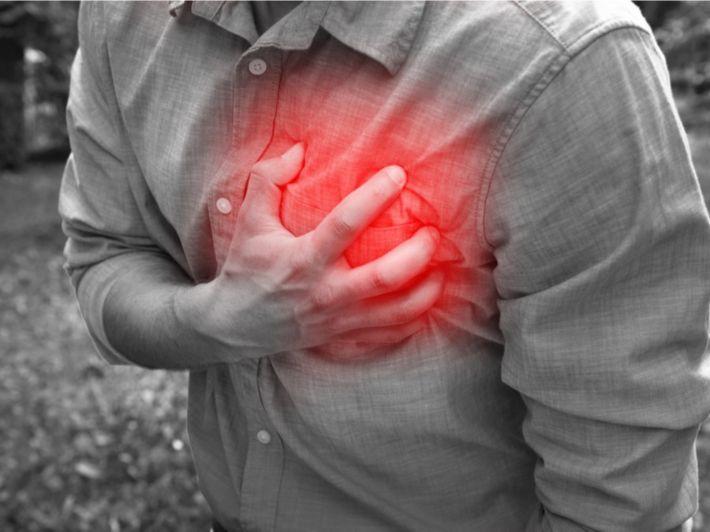
If rapid heartbeats are accompanied by chest pain or pressure, severe shortness of breath, fainting, or a strong feeling that you may faint, urgent medical care should be sought.
A very rapid or persistent heartbeat also requires prompt medical assessment, particularly when it is accompanied by significant symptoms.
People should not delay seeking urgent care or attempt to determine the cause themselves when serious symptoms are present.
9. How Is the Cause of Fast Heartbeats Diagnosed?
Diagnosis depends on the nature, timing, and frequency of the symptoms, as well as the patient's medical history.
The doctor may begin with:
Medical Examination
The doctor evaluates the nature of the palpitations, heart rate, and associated symptoms.
Electrocardiogram (ECG)
An ECG records the heart's electrical activity and can help identify certain heart rhythm abnormalities.
Heart Rhythm Monitoring
Some episodes are intermittent and may not occur during a standard examination. In such cases, the doctor may recommend monitoring the heart rhythm for a specific period.
Additional Tests
Depending on the symptoms and examination findings, additional tests may be recommended to investigate a possible underlying cause.
10. Can Stress Cause Fast Heartbeats?
Yes. Stress, anxiety, and emotional excitement can increase the heart rate and cause a sensation of palpitations.
However, not every episode of rapid heartbeat should automatically be attributed to stress, particularly when the symptoms occur repeatedly, while resting, or are accompanied by chest pain, shortness of breath, or dizziness.
If the symptoms continue or occur frequently, medical evaluation is recommended.
11. How Can Some Triggers of Palpitations Be Reduced?
When there is no underlying heart condition requiring specific treatment, paying attention to certain triggers may help reduce symptoms.
These measures may include:
- Limiting excessive caffeine consumption.
- Avoiding smoking and nicotine.
- Getting adequate sleep.
- Managing stress and allowing sufficient rest.
- Discussing medications with a doctor if symptoms began after starting a new medication.
These measures do not replace medical evaluation when fast heartbeats are recurrent or accompanied by concerning symptoms.
12. Does Every Fast Heartbeat Mean There Is a Heart Rhythm Disorder?
No.
There is a difference between an increased heart rate as a normal response to exercise or stress and an increased rate caused by an abnormality in the heart's electrical system.
For this reason, the cause cannot always be determined simply by the sensation of palpitations. An ECG, heart rhythm monitoring, or other tests may be needed depending on the doctor's assessment.
13. Frequently Asked Questions About Fast Heartbeats
Are fast heartbeats dangerous?
They can be temporary and normal in situations such as exercise or stress, but in some cases they may be associated with an abnormal heart rhythm or another health condition requiring evaluation.
Why do I feel my heart beating fast while resting?
Several factors may contribute, including stress, stimulants, certain medications, thyroid disorders, or heart rhythm abnormalities. Identifying the cause requires medical assessment.
Can caffeine cause fast heartbeats?
Excessive caffeine consumption may increase palpitations or heart rate in some people.
Does fast heartbeat require an ECG?
An ECG is one of the tests that may be used to evaluate palpitations, but the doctor determines which tests are appropriate according to the patient's symptoms and condition.
When should I go to the emergency department because of fast heartbeats?
If rapid or persistent heartbeats are accompanied by chest pain or pressure, severe shortness of breath, significant dizziness, fainting, or a feeling of impending fainting, urgent medical care should be sought.
14. Contact Specialized Heart Center – Dr. Abdullah
If you experience recurrent fast heartbeats or palpitations, do not rely on the symptoms alone to determine their cause.
You can contact Specialized Heart Center – Dr. Abdullah in 10th of Ramadan City for an appropriate medical evaluation based on your condition.
📍 Address:
10th of Ramadan City – Jordanian Area – Al-Kamal Center – next to Techno Scan Radiology – behind Cinco Mall and Alexandria Library – above Dr. Nadia Pharmacy.
📞 Contact: