FDA Approves First At-Home Brain Stimulation Device for Depression
The FDA has approved the FL-100 at-home brain stimulation device, offering adults an alternative and safe treatment for depression that can be used outside clinics.
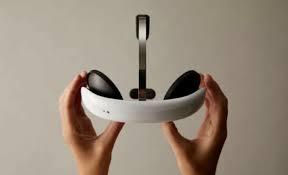
The U.S. Food and Drug Administration (FDA) has approved the first at-home brain stimulation device for treating depression in adults. The FL-100, produced by a Swedish company, delivers low electrical currents to specific brain areas responsible for mood regulation, aiming to alleviate depressive symptoms without relying entirely on medications.
This approval comes amid a 60% rise in depression rates in the U.S. over the past decade, according to the CDC, with many patients experiencing unpleasant side effects from antidepressants. The FL-100 offers:
A non-drug treatment usable at home
Reduced need for costly clinic sessions
Expanded access to mental health care
The device uses transcranial direct current stimulation (tDCS), targeting the frontal brain region associated with emotions, worn via a specialized headset, and monitored through a smartphone app under remote medical supervision.
Clinical trials with over 170 adult participants showed that 58% reached remission after 30-minute daily sessions for 10 weeks, with minor side effects like mild skin redness or temporary itching.
The FL-100 is not intended for treatment-resistant depression patients. It is expected to be available in the U.S. by mid-2026 at approximately $500, with a rechargeable battery life of 3 years, and insurance coverage is being negotiated.
This approval marks a significant step forward in depression treatment, providing a safe, flexible, and cost-effective alternative to traditional clinic-based therapies.

Regular health screening is one of the most important steps to maintain good health and detect diseases early. The essential medical checkups for every age help in preventing complications and ensuring a healthier life.

Many people, after doing medical tests, receive their results and immediately start looking at numbers and unfamiliar terms like (High – Low – Normal) without fully understanding what they actually mean.

When dealing with medical services, many people come across different titles for doctors such as “Specialist” and “Consultant”, which can sometimes create confusion about what each title actually means and how they differ from each other.

Choosing the right time to visit a doctor is not a random decision. It can directly affect how quickly a condition is diagnosed and how effective the treatment will be. Many people delay visiting a doctor or go at the wrong time, which may lead to worsening symptoms or delayed care.
