
Food and Milk Allergy: Symptoms, Causes, and Management | Prof. Dr. Waheed Haisam
Food and milk allergies can cause uncomfortable symptoms that may affect a person’s daily life. In some cases, it can be difficult to identify the actual cause of these symptoms. If you experience repeated symptoms after consuming a specific food or dairy products, you can contact Prof. Dr. Waheed Haisam at 01006665210 or call 01223404533 for appointments and appropriate medical evaluation.
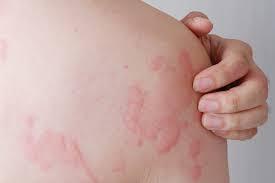
What Is a Food Allergy?
A food allergy is an abnormal immune response to a specific food. In this condition, the immune system mistakenly identifies a protein found in the food as harmful and responds by releasing substances that can cause different symptoms.
Food allergies vary from one person to another. Some people may experience mild symptoms, while others may develop more severe reactions. For this reason, repeated symptoms after eating certain foods should not be ignored, especially when they occur consistently.
What Are the Symptoms of a Food Allergy?
Symptoms vary depending on the type and severity of the allergy and may appear shortly after eating the triggering food. Common symptoms include:
- Itching or skin rash.
- Skin redness or swelling.
- Swelling of the lips or face.
- Abdominal pain or cramps.
- Nausea or vomiting.
- Diarrhea.
- Shortness of breath or difficulty breathing in severe cases.
- Symptoms affecting the mouth or throat after consuming certain foods.
Some people may experience mainly digestive symptoms, which can make identifying the actual cause more difficult without proper medical evaluation.
Milk Allergy vs. Lactose Intolerance: What Is the Difference?
It is important to distinguish between milk allergy and lactose intolerance, because they are not the same condition.
Milk allergy involves an immune response to proteins found in milk. Lactose intolerance, on the other hand, occurs when the body has difficulty digesting lactose, the sugar naturally found in milk and many dairy products.
Lactose intolerance can cause symptoms such as bloating, gas, abdominal cramps, and diarrhea after consuming milk or certain dairy products.
Milk allergy may cause digestive symptoms as well as skin or respiratory symptoms, and some reactions can be severe.
Therefore, experiencing symptoms after consuming dairy does not automatically mean that a person has a milk allergy. Proper medical evaluation is important to identify the actual cause.
What Causes Food Allergies?
Food allergies may be associated with several factors, and some people may have a greater tendency to develop allergic conditions than others.
A family history of certain allergic conditions may increase the likelihood of developing allergies. Previous allergic conditions may also be associated with a higher risk.
The foods responsible for allergic reactions vary from person to person, so there is no single list that applies equally to everyone.
How Is a Food Allergy Diagnosed?
Diagnosis usually begins with a detailed assessment of the symptoms, when they occur, and their relationship to specific foods, along with the patient’s medical history.
Depending on the case, the doctor may recommend certain examinations or allergy tests to help identify the food responsible for the symptoms and reach a more accurate diagnosis.
It is important not to eliminate multiple foods from the diet without medical guidance, as unnecessary restrictions can lead to nutritional deficiencies, particularly in children.
Can Food Allergies Be Treated?
Management of a food allergy depends on the type of allergy, the severity of the symptoms, and the food responsible for the reaction.
In some cases, avoiding the triggering food is an important part of managing the condition. Patients may also need to learn how to read food labels and recognize the possibility that an allergenic ingredient may be present in certain food products.
The appropriate approach should be determined by a doctor, particularly if the patient has previously experienced a rapid or severe reaction after eating a particular food.
When Should You See a Doctor for a Food Allergy?
If symptoms repeatedly occur after eating a particular food or begin to interfere with daily life, it is better to consult a specialist rather than relying on self-diagnosis.
Medical evaluation becomes particularly important if symptoms such as swelling of the face or lips, difficulty breathing, dizziness, or a severe and rapid reaction occur after eating, because some allergic reactions may require urgent medical attention.
Food and Milk Allergies in Children
Food or milk allergies in children may appear as skin, digestive, or other symptoms. In these cases, proper evaluation should take the child’s age, symptom pattern, and dietary habits into consideration.
Parents should not eliminate milk or entire food groups from a child’s diet without medical advice, because balanced nutrition is essential for normal growth and development.
Why Is It Important to Identify the Cause of Symptoms?
Food allergy symptoms can resemble those caused by certain digestive disorders or food intolerances. This may lead a person to assume that they are allergic to a particular food without having a confirmed diagnosis.
Medical evaluation can help identify the actual cause of symptoms, prevent unnecessary dietary restrictions, and establish an appropriate management plan based on the individual condition.
Book an Appointment with Prof. Dr. Waheed Haisam
If you experience repeated symptoms after eating certain foods or dairy products and need medical evaluation, you can contact Prof. Dr. Waheed Haisam.
📞 Phone: 01006665210
📞 Appointments: 01223404533
💬 WhatsApp & Emergencies: 01223404533
Working Hours
Saturday & Thursday: 1:00 PM – 3:00 PM
Sunday to Wednesday: 6:00 PM – 9:00 PM
Friday: Closed
Mohandessin Clinic
18 Goul Gamal Street, off El-Batal Ahmed Abdel Aziz Street, above BIM Market, First Floor.
📞 01026664370
Fifth Settlement Clinic
Teseen Street, HCC Mall, behind Air Force Hospital.
📞 01006665210
Ismailia Clinic
74 El-Gaish Street, opposite the Army Officers Club.
☎️ 0643918787