Foods That Lower Blood Pressure: Doctors Reveal What to Eat and What to Avoid
Between daily meals and heartbeats, prevention begins—doctors reveal how smart dietary choices can help control blood pressure naturally.
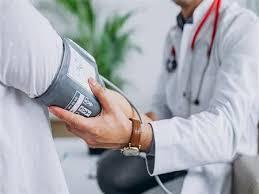
As high blood pressure becomes increasingly common, many are asking whether it can be controlled without medication. Medical experts confirm that lifestyle changes, especially diet, can play a decisive role in lowering blood pressure and reducing serious health risks.
High blood pressure is often called a silent condition, as symptoms may not appear, yet it significantly increases the risk of heart attacks and strokes. Doctors stress the importance of repeated measurements, preferably at home, to ensure accurate diagnosis.
Reducing salt intake is considered the most critical step, as processed foods are the main source of excess sodium. A diet rich in fruits, vegetables, and whole grains supports healthy blood vessels and improves circulation.
Healthy protein choices, regular physical activity, moderate caffeine intake, and weight control all contribute to better blood pressure management. However, doctors emphasize that medical supervision remains essential, and prescribed medications should never be stopped without professional advice.

Regular health screening is one of the most important steps to maintain good health and detect diseases early. The essential medical checkups for every age help in preventing complications and ensuring a healthier life.
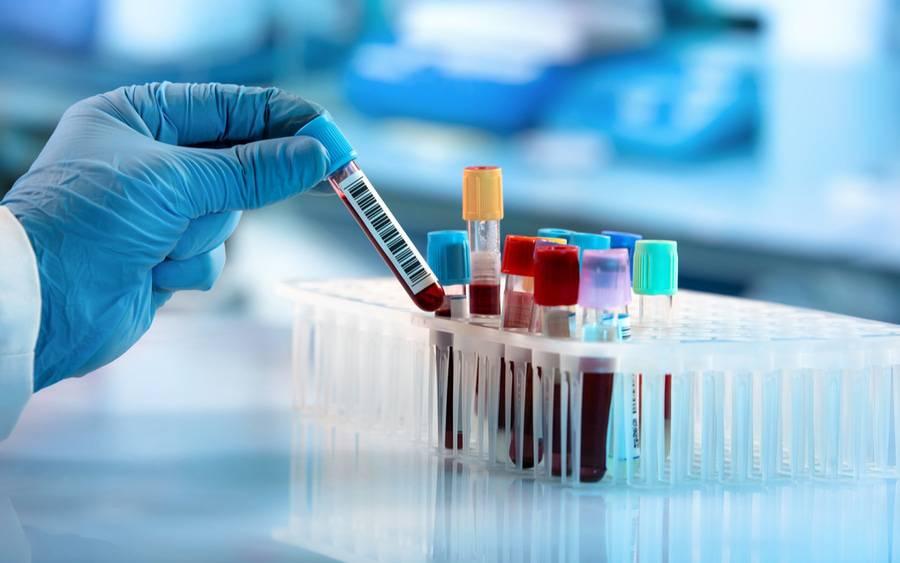
Many people, after doing medical tests, receive their results and immediately start looking at numbers and unfamiliar terms like (High – Low – Normal) without fully understanding what they actually mean.

When dealing with medical services, many people come across different titles for doctors such as “Specialist” and “Consultant”, which can sometimes create confusion about what each title actually means and how they differ from each other.

Choosing the right time to visit a doctor is not a random decision. It can directly affect how quickly a condition is diagnosed and how effective the treatment will be. Many people delay visiting a doctor or go at the wrong time, which may lead to worsening symptoms or delayed care.
