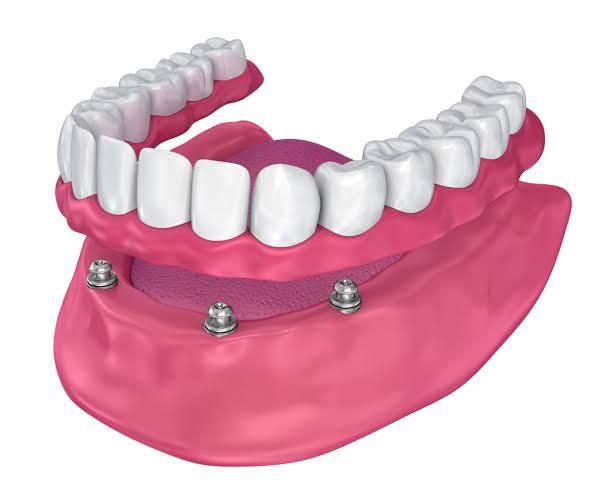

Full-Mouth Dental Implants: Procedure and Candidacy | Damas Dental Clinic
Losing many or all teeth can affect chewing, speech, and the appearance of a smile. Full-mouth dental implants may be an option for replacing missing teeth in the upper and lower jaws. The treatment uses implants placed in the jawbone to support replacement teeth, according to an individualized treatment plan. At Damas Dental Clinic, an assessment of the mouth and jawbone is an important step in determining whether implants are suitable, because the number of implants, the design of the replacement teeth, and the overall treatment timeline vary from one patient to another.
📍 Damas Dental Clinic Branches
Contact Damas Dental Clinic to ask about dental implants and arrange an assessment.
-
6th of October branch: Mall Lassette, first floor.
-
Sheikh Zayed branch: Agora Mall, second floor.
Quick contact and emergency numbers:
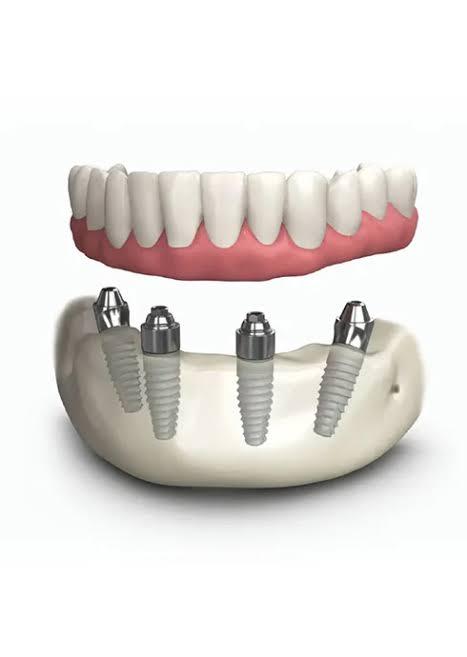
What Are Full-Mouth Dental Implants?
Full-mouth dental implants refer to replacing missing teeth in the upper and lower jaws using implants placed in the jawbone to support replacement teeth. The treatment may be intended to replace most or all teeth, depending on the patient's condition and any remaining natural teeth.
A dental implant system typically includes an implant placed in the bone, a connecting component, and a replacement crown or bridge. When all teeth are missing, several implants may support a set of replacement teeth, rather than placing a separate implant for every tooth.
The number of implants and the design of the replacement teeth are not the same for every patient. Planning depends on available bone, the distribution of missing teeth, gum health, the bite, and the functional and aesthetic goals of treatment.
Who May Need Implants in Both Jaws?
Full-mouth implant treatment may be considered for people who have lost most or all of their teeth in the upper jaw, lower jaw, or both. It may also be discussed when missing teeth make chewing difficult or when removable dentures are uncomfortable or unstable.
Situations that may lead to a discussion about this treatment include:
-
Complete tooth loss in one or both jaws.
-
Difficulty chewing because many teeth are missing.
-
Loose or uncomfortable removable dentures.
-
The need for a tooth replacement option supported by implants in the jawbone.
However, the number of missing teeth alone does not determine whether implants are appropriate. A dental professional must assess oral health, general health, and the quantity and quality of the available bone before comparing implants with alternative treatments.
What Are the Potential Benefits of Full-Mouth Implants?
When appropriate for the patient, implants may improve the stability of replacement teeth, support chewing function, and help restore the appearance of the smile.
Potential benefits include:
-
Improved chewing function: Implant-supported teeth may provide stability that helps patients eat more comfortably.
-
Support for replacement teeth: Implants can reduce movement compared with some removable dentures.
-
Improved smile appearance: Replacement teeth can be designed around the patient's oral anatomy and functional needs.
-
Support for jawbone preservation: Implants may help limit some changes associated with tooth and bone loss, depending on the individual case.
Results vary, and implants involve potential risks. They do not guarantee permanent success. Patients should discuss expected benefits, alternatives, and possible complications before deciding on treatment.
How Is Full-Mouth Implant Treatment Planned?
Treatment begins with an examination of the teeth, gums, and jaws, along with a review of the patient's medical history and medications. Appropriate dental imaging may be needed to assess the bone dimensions and important anatomical structures, helping the dentist plan implant positions, the number of implants, and the proposed replacement teeth.
After the assessment, the treatment plan can be discussed, including the expected stages, approximate timeline, and any temporary replacement options that may be available during healing.
Some patients may need treatment for gum disease or other dental problems before implant placement. Others may require bone grafting if there is insufficient bone to support the planned implants. These decisions depend on the clinical examination and imaging findings.
What Are the Main Stages of Treatment?
The treatment sequence depends on the patient's condition and the selected plan, but may include:
-
Assessment and diagnosis: Evaluating the teeth, gums, and bone to determine whether implants are suitable.
-
Preparing the mouth: Treating existing dental problems and preparing the implant sites when needed.
-
Placing the implants: Inserting the implants into the jawbone according to the treatment plan.
-
Healing: Allowing time for the implants to integrate with the bone, which may take several months.
-
Attaching replacement teeth: Fitting the planned restorations when the implants and surrounding tissues are ready.
In selected cases, temporary teeth or early restorations may be possible. However, this is not suitable for every patient, and immediate fixed teeth should not be assumed without a careful clinical assessment.
Is Bone Grafting Necessary Before Full-Mouth Implants?
Not always. The need for bone grafting depends on the amount of available bone, including its height, width, and the planned implant positions.
If there is insufficient bone to support an implant appropriately, the dentist may discuss a procedure to increase bone volume or other options suited to the patient's condition. Bone grafting can extend the overall treatment timeline, so the expected stages and healing period should be discussed in advance.
What Factors Affect Implant Success?
Several factors may affect treatment outcomes, including gum and bone health, general health, smoking, and adherence to oral hygiene and follow-up instructions. Careful planning, appropriate implant positioning, and the design of the replacement teeth are also important.
Patients should tell their dentist about chronic medical conditions and regular medications. They should not stop prescribed medication without medical advice. Daily cleaning and regular dental visits help monitor the gums, bone, and implants and may allow problems to be identified earlier.
What Should Patients Expect After Implant Surgery?
After the procedure, patients should follow their dentist's instructions about eating, oral hygiene, medication, and follow-up visits. Some pain, swelling, or minor bleeding may occur after surgery, but the severity and duration vary according to the procedure and the patient's condition.
Contact the dental provider if pain increases, swelling becomes severe, bleeding persists, or unusual symptoms develop. Difficulty breathing or swallowing, or rapidly increasing swelling that affects the airway, requires urgent medical attention.
Arrange a Full-Mouth Implant Consultation at Damas Dental Clinic
If you are considering replacing missing teeth in both jaws, the first step is a dental assessment to determine whether implants are appropriate and which treatment options may be suitable.
Contact Damas Dental Clinic to ask about appointments at either the 6th of October or Sheikh Zayed branch.
Contact and emergency numbers: