
Gastritis: Symptoms, Causes, and Treatment | Dr. Youssef Abdel Moneim
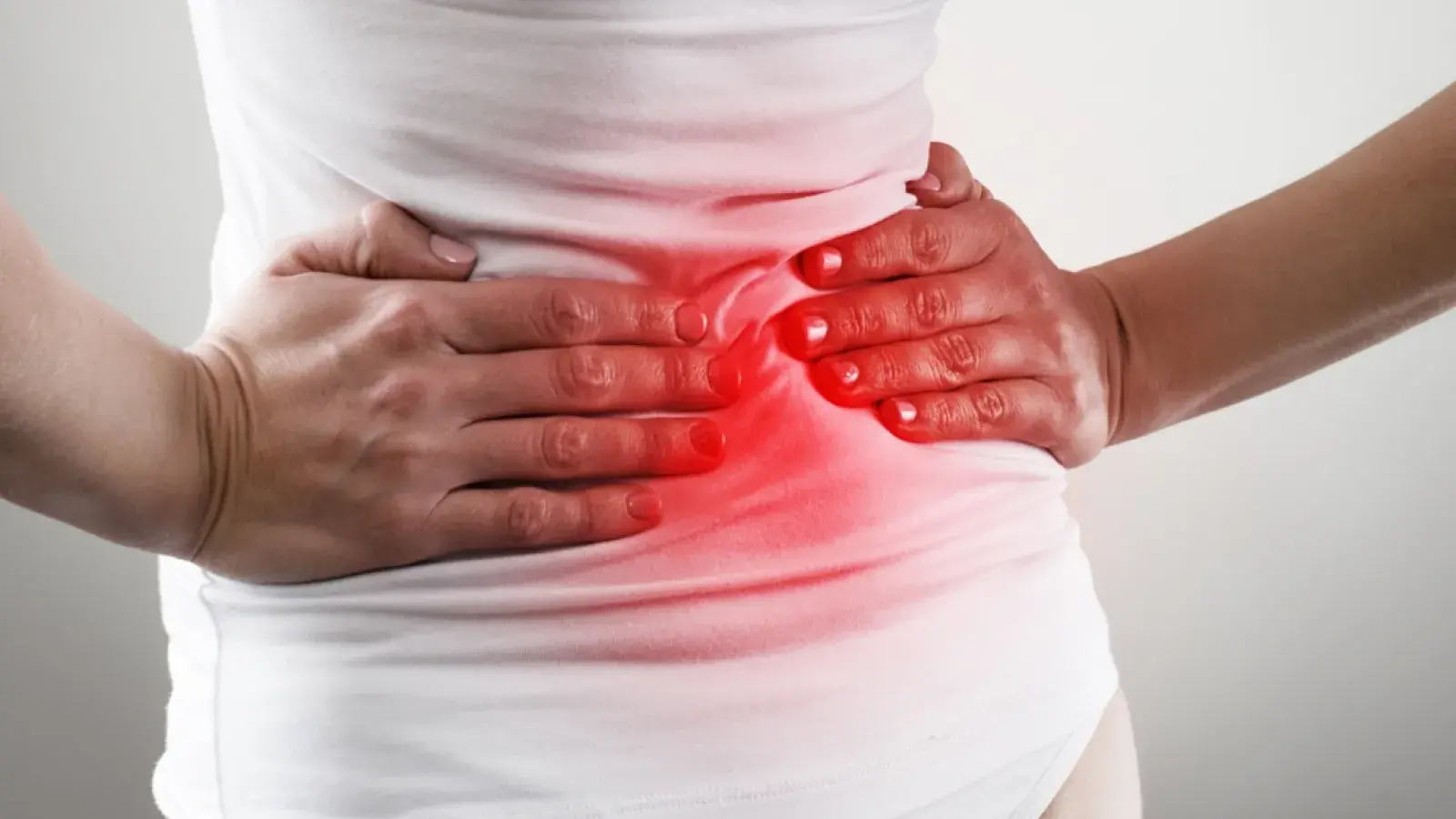
Some people experience pain or burning in the upper abdomen, bloating, nausea, or indigestion after eating. These symptoms may sometimes be associated with gastritis, a condition involving inflammation of the stomach lining. Possible causes include Helicobacter pylori infection and the repeated use of certain pain-relieving medicines. Symptoms alone cannot establish the cause or determine the appropriate treatment. A medical assessment can help identify the underlying problem and guide the necessary investigations and treatment. You can contact Dr. Youssef Abdel Moneim to inquire about an appointment and discuss the appropriate next steps.
📍 Clinic Address and Contact Information
Dr. Youssef Abdel Moneim
Gemeiza Belqay, above Dr. Magda Magdy Pharmacy and Al-Safa Laboratory.
📱 Clinic phone: 01038423989
💬 Personal WhatsApp: 01092966400
What Is Gastritis?
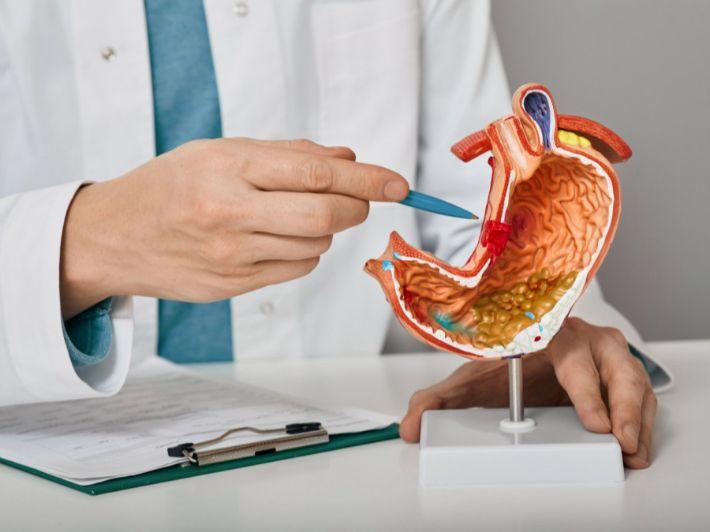
Gastritis is inflammation of the stomach's inner lining, also known as the gastric mucosa. This lining helps protect stomach tissue from acid and other potentially irritating factors.
Gastritis can be acute, developing over a short period, or chronic, lasting for a longer time. Its severity varies between individuals. Some people have no noticeable symptoms, while others experience abdominal pain, nausea, or discomfort after eating.
It is important to distinguish gastritis from indigestion. Indigestion describes a group of symptoms, whereas gastritis is an inflammatory condition that may require investigations to identify. Heartburn or stomach pain alone cannot confirm the diagnosis.
Gastritis also differs from a stomach ulcer, although some underlying causes can contribute to both conditions. Identifying the cause helps determine the appropriate treatment and reduce the risk of complications.
What Causes Gastritis?
Several factors can inflame or irritate the stomach lining. Treatment depends on identifying the underlying cause.
Helicobacter pylori infection: H. pylori is a common cause of chronic gastritis. The infection may persist without obvious symptoms, but it can cause ongoing inflammation and increase the risk of stomach or duodenal ulcers in some people.
Frequent use of certain pain relievers: Medicines such as ibuprofen, aspirin, and naproxen can affect the protective lining of the stomach, particularly with repeated use or certain doses. Do not stop prescribed medication without consulting the treating doctor.
Autoimmune gastritis: This occurs when the immune system mistakenly attacks cells in the stomach lining. It may affect the absorption of nutrients such as iron and vitamin B12.
Bile reflux: In some cases, bile flowing backward into the stomach can irritate the lining.
Severe illness: Acute inflammation or damage to the stomach lining may occur in some people during critical illness or other serious medical conditions.
Having one of these risk factors does not automatically mean that a person has gastritis. Diagnosis depends on symptoms, medical history, and appropriate investigations when necessary.
What Are the Symptoms of Gastritis?
Some people with gastritis have no symptoms. When symptoms occur, they may include:
-
Pain or burning in the upper abdomen.
-
Bloating or frequent burping.
-
Nausea or vomiting.
-
Feeling full after eating a small amount of food.
-
A sense of fullness or heaviness after meals.
-
Reduced appetite.
-
Weight loss in some cases.
Symptoms vary according to the cause and severity of inflammation. They may also resemble those of H. pylori infection, peptic ulcers, acid reflux, and other digestive disorders.
If stomach pain persists or repeatedly returns, medical assessment is advisable rather than repeatedly taking acid-reducing medicines without identifying the cause. Additional investigations may be needed if symptoms include unexplained weight loss, persistent vomiting, or difficulty swallowing.
How Is Gastritis Diagnosed?
Diagnosis begins with reviewing symptoms, how long they have been present, the patient's medical history, and current medications. The doctor then performs an appropriate clinical assessment.
Depending on the circumstances, investigations may include:
H. pylori testing: A urea breath test or stool antigen test may be used to detect active infection. Certain medications can affect test accuracy, so patients should follow the doctor's or laboratory's instructions before testing.
Blood tests: These may be requested to assess associated problems such as anemia or deficiencies in certain nutrients, depending on the symptoms and clinical findings.
Upper gastrointestinal endoscopy: This allows the doctor to examine the stomach lining directly and obtain tissue samples when needed. Whether an endoscopy is appropriate depends on symptoms, age, medical history, and warning signs.
Not everyone with heartburn or indigestion needs an endoscopy. The choice of investigation depends on the individual assessment and whether there is a reason to investigate further.
How Is Gastritis Treated?
There is no single treatment suitable for every case. The treatment plan depends on the cause, symptom severity, and whether complications are present.
Treating H. pylori: When infection is confirmed, the doctor may prescribe a combination of medicines, including antibiotics and medication to reduce stomach acid. The selected regimen depends on the patient's circumstances. The full course should be completed as directed, followed by an appropriate test to confirm eradication.
Reducing stomach acid: Medicines such as proton pump inhibitors may be prescribed to reduce acid and allow the lining to recover, depending on the cause and clinical assessment.
Reviewing medicines that irritate the stomach: If gastritis is associated with certain pain relievers, the doctor may review the medication and dose and consider alternatives when appropriate. Prescribed treatment should not be changed independently.
Treating other causes: Autoimmune gastritis may require assessment for iron or vitamin B12 deficiency, while other causes need management according to the diagnosis.
Patients should not take antibiotics or repeat a previous treatment regimen without medical advice. An unsuitable regimen may fail to address the cause and can contribute to antibiotic resistance.
What Foods Are Suitable for People With Gastritis?
There is no single diet that treats all types of gastritis, and food is not the primary cause of most cases. However, some dietary changes may help reduce symptoms in people who are sensitive to particular foods or drinks.
Possible adjustments include:
-
Eating moderate-sized meals if large meals cause discomfort or excessive fullness.
-
Identifying and avoiding foods that consistently worsen individual symptoms.
-
Reducing caffeinated drinks if they aggravate heartburn or stomach discomfort.
-
Avoiding smoking and alcohol where applicable.
-
Drinking adequate fluids.
-
Avoiding eating immediately before bedtime if it worsens symptoms.
Food tolerance varies between individuals. Therefore, everyone does not need to avoid the same foods unless they trigger symptoms or the doctor recommends doing so. When gastritis is caused by an infection, medication, or another health condition, addressing the underlying cause remains essential.
What Are the Possible Complications of Gastritis?
Gastritis may improve after its cause is treated, but some forms can lead to complications if not appropriately managed.
Possible complications include:
-
Stomach or duodenal ulcers.
-
Bleeding from the stomach lining if erosions or ulcers develop.
-
Anemia caused by blood loss or impaired iron absorption.
-
Vitamin B12 deficiency in some cases of autoimmune gastritis.
These complications do not occur in everyone, but recognizing warning signs helps patients seek medical care promptly.
When Should You Seek Urgent Medical Attention?
Certain symptoms require urgent medical assessment, particularly when they are severe or develop suddenly. These include:
-
Vomiting blood or material that resembles coffee grounds.
-
Black, tarry stools or obvious gastrointestinal bleeding.
-
Sudden, severe abdominal or chest pain.
-
Persistent vomiting that prevents you from keeping fluids down.
-
Severe dizziness or fainting, particularly when bleeding is possible.
Unexplained weight loss, difficulty swallowing, or feeling full after eating very small amounts of food should also be assessed promptly, even if there is no obvious emergency.
Do not assume that all these symptoms are caused by gastritis. They may indicate other conditions that require different investigations and treatment.
Inquire About Gastritis Assessment with Dr. Youssef Abdel Moneim
If you experience recurring upper abdominal pain, nausea, bloating, or persistent indigestion, medical assessment may help identify the cause and determine whether H. pylori testing or other investigations are needed.
You can contact Dr. Youssef Abdel Moneim to inquire about appointments and the appropriate next steps for evaluating your symptoms.
📍 Address: Gemeiza Belqay, above Dr. Magda Magdy Pharmacy and Al-Safa Laboratory.
📱 Clinic phone: 01038423989
💬 Personal WhatsApp: 01092966400
Frequently Asked Questions About Gastritis
Is gastritis the same as H. pylori infection?
No. Gastritis is inflammation of the stomach lining, while H. pylori is one type of bacterium that can cause it.
Can gastritis be cured completely?
It depends on the cause. Some cases improve after treating the infection or addressing an irritant under medical supervision, while certain chronic conditions may require ongoing monitoring and treatment.
Can gastritis cause bloating and nausea?
Yes. Gastritis may cause bloating, nausea, indigestion, and upper abdominal discomfort, but these symptoms can also occur with other conditions.
Do I need an endoscopy to diagnose gastritis?
Not always. Some cases may be evaluated using other tests, while an endoscopy may be recommended when the doctor needs to examine the stomach lining directly.
How can I book an appointment with Dr. Youssef Abdel Moneim?
You can contact the clinic at 01038423989 or use the personal WhatsApp number 01092966400.
Conclusion
Gastritis varies from person to person according to its cause and severity. It may be associated with H. pylori, certain medicines, or other conditions. Identifying the cause before choosing treatment is an important step in relieving symptoms and reducing the risk of complications.
Appropriate treatment, review of medicines that may irritate the stomach, and recommended investigations can help manage the condition. Gastrointestinal bleeding, severe pain, or persistent warning symptoms should never be ignored.