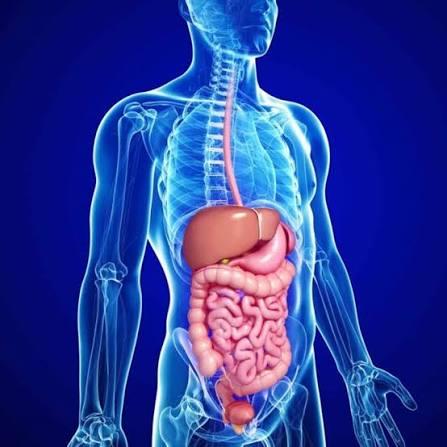

Gastrointestinal Surgery and the Main Conditions That May Require Surgery | Dr. Omar Badran in Tanta
Gastrointestinal surgery includes a wide range of procedures used to manage certain conditions affecting the stomach, intestines, colon, and other parts of the digestive system. The type of surgery depends on the affected organ, the nature of the condition, and its severity.
Not every digestive problem requires surgery. The appropriate approach begins with evaluating the patient's symptoms and the necessary test results, followed by selecting the treatment method that best fits the individual condition.
📍 Dr. Omar Badran Contact Information
Address:
Tanta – next to Belal Koshary and the Drinking Water Company.
📞 Phone:
01024363534
🕒 Working Hours:
Daily from 12 PM to 7 PM.
.jpg) What Is Gastrointestinal Surgery?
What Is Gastrointestinal Surgery?
Gastrointestinal surgery refers to surgical procedures performed to treat certain conditions affecting the digestive system.
These procedures may involve the stomach, small intestine, colon, rectum, gallbladder, and other digestive organs. The type of surgical intervention depends on the diagnosis and the specific condition.
What Conditions May Require Gastrointestinal Surgery?
Conditions that may require surgical intervention vary depending on the affected organ and the nature of the problem. They may include:
- Certain cases of gallbladder disease.
- Some hernias that require surgical repair.
- Certain stomach conditions that do not respond adequately to appropriate treatment.
- Some conditions affecting the small intestine.
- Certain diseases of the colon and rectum.
- Some conditions that cause obstruction or complications requiring surgical intervention.
- Certain tumors that may require surgical removal based on medical evaluation.
Having one of these conditions does not necessarily mean that surgery will always be required. The decision depends on the diagnosis and individual circumstances.
How Is the Need for Gastrointestinal Surgery Determined?
Evaluation usually begins with reviewing the patient's symptoms and medical history, followed by an appropriate physical examination. Depending on the problem, the doctor may also request laboratory tests, imaging, or endoscopic examinations.
After gathering the necessary information, the doctor can determine whether the condition requires medication, monitoring, or surgery, and which procedure may be appropriate if surgery is needed.
Are All Gastrointestinal Surgeries the Same?
No. Gastrointestinal surgeries vary significantly depending on the affected organ and the nature of the condition.
For example, a procedure used to treat a gallbladder problem is different from surgery required for certain stomach or colon conditions. The surgical approach itself may also vary depending on the diagnosis and the patient's overall health.
What Is the Difference Between Open Surgery and Laparoscopic Surgery?
There are different approaches to performing certain gastrointestinal surgeries, including open surgery and procedures performed using minimally invasive laparoscopic techniques.
The appropriate approach depends on the type of surgery, the patient's health, and the specific condition. Therefore, neither laparoscopic nor open surgery can be considered suitable for every case.
When Can Digestive Problems Require Urgent Medical Evaluation?
Some digestive symptoms may require prompt medical evaluation, particularly severe or persistent abdominal pain, repeated vomiting, gastrointestinal bleeding, severe abdominal distension accompanied by other symptoms, or signs that may indicate obstruction or acute inflammation.
The level of urgency varies depending on the symptoms and the patient's condition. Severe or unusual symptoms should therefore not be ignored or unnecessarily delayed.
What Happens Before Gastrointestinal Surgery?
Before surgery, the condition is evaluated, the diagnosis is determined, and the required procedure is identified. The patient may also need certain laboratory tests and examinations to assess readiness for surgery.
The nature of the procedure and the relevant steps are then explained according to the type of surgery and the individual condition.
What Happens After Gastrointestinal Surgery?
Recovery varies depending on the type of procedure, the patient's overall health, and the surgical approach used.
After some procedures, patients may need specific instructions regarding diet, physical activity, medications, and wound care, along with appropriate medical follow-up during recovery.
Can All Digestive Conditions That Require Surgery Be Prevented?
Not all digestive diseases or conditions that may require surgery can be prevented. However, maintaining general health, addressing persistent symptoms, and avoiding neglect of digestive problems may help with the early detection of certain conditions.
New or persistent symptoms should be medically evaluated rather than relying on self-treatment for extended periods.
Gastrointestinal surgery includes many different procedures that vary according to the affected organ, the nature of the condition, and the patient's individual needs. The need for surgery and the appropriate procedure can only be determined after proper evaluation and diagnosis.