
Gum Disease, Gum Recession Treatment, and Bone Grafting | Dr. Mohamed Nabil Aboul Ezz
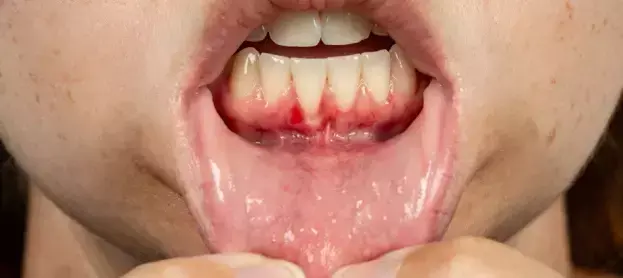
Gum disease can affect oral health and the stability of teeth. It may begin with redness or bleeding during brushing and, in some cases, progress to damage the tissues and bone supporting the teeth. Gum recession is another concern because it exposes the roots of the teeth, while periodontal disease may lead to loss of the supporting bone. Treatment depends on the cause and severity and may include deep cleaning, gum grafting, or bone grafting in selected cases. Laser technology may also be used for certain periodontal procedures. You can contact Dr. Mohamed Nabil Aboul Ezz to inquire about an assessment and discuss available treatment options.
📍 Clinic Address and Contact Information
Dr. Mohamed Nabil Aboul Ezz – Old Damietta
El-Sinania, Old Damietta, above El-Tofaha Café.
📱 Appointments and inquiries: 01092863715
Periodontal and laser-related services are available through specialists in these areas, according to the needs of the individual case and clinical assessment.

What Is Gum Disease?
Gum disease refers to conditions affecting the tissues surrounding and supporting the teeth. It can begin as gingivitis and may progress to periodontitis if it is not adequately treated.
Gingivitis: This is commonly caused by plaque, a layer of bacteria that forms on the teeth. The gums may become red, swollen, and bleed during brushing or flossing. Early gingivitis can often be managed with professional cleaning and improved daily oral care.
Periodontitis: This is a more advanced condition that may damage the tissues, ligaments, and bone that hold the teeth in place. Deep pockets can form between the gums and teeth, increasing the risk of tooth mobility or tooth loss if the disease continues untreated.
Treating gum disease is important not only to reduce bleeding and improve appearance but also to preserve the supporting tissues and reduce the risk of losing teeth.
What Are the Warning Signs of Gum Disease?
Some gum conditions progress gradually without obvious pain at first. Recognizing early signs is therefore important.
Common warning signs include:
-
Bleeding while brushing or eating certain foods.
-
Red, swollen, or tender gums.
-
Persistent bad breath.
-
Receding gums that make teeth appear longer.
-
Increased sensitivity to hot or cold drinks.
-
New spaces between teeth or changes in the way they fit together.
-
Loose teeth in more advanced cases.
-
Pus between the teeth and gums in some cases.
These symptoms do not establish the type or severity of gum disease on their own. However, they warrant a dental assessment, especially when bleeding persists, the teeth become loose, or significant swelling develops.
What Is Gum Recession?
Gum recession occurs when the gum margin moves away from its normal position, exposing part of a tooth root that was previously covered. Recession may affect one tooth or several teeth, and its severity varies.
Possible causes include:
-
Periodontitis and damage to supporting tissues.
-
Brushing too aggressively or using a hard-bristled toothbrush.
-
Naturally thin gum tissue or anatomical susceptibility.
-
Teeth positioned outside the boundaries of their supporting bone.
-
Plaque and tartar accumulation around the teeth.
-
Habits or factors that place repeated pressure on the gums.
Gum recession can increase tooth sensitivity, raise the risk of decay on exposed roots, and affect the appearance of the smile.
Recession does not always mean that bone loss has occurred, but it may be associated with bone loss, particularly when caused by periodontitis. The cause and severity should therefore be assessed before treatment is selected.
How Is Gum Recession Treated?
Treatment depends on the cause, extent of recession, and associated symptoms. The goals are to control contributing factors, protect supporting tissues, reduce sensitivity, and cover exposed roots when appropriate.
Treatment options may include:
Professional cleaning: When inflammation or tartar accumulation contributes to the problem, professional cleaning may be needed. This may include deep cleaning below the gumline to remove deposits from the root surfaces.
Improving brushing technique: The dentist may recommend a soft-bristled toothbrush, avoiding excessive pressure, and using suitable methods to clean between the teeth.
Managing sensitivity: Desensitizing products may help reduce discomfort associated with exposed roots, as recommended by the dentist.
Gum graft surgery: In selected cases, tissue taken from the patient's mouth or appropriate graft material may be used to cover exposed root surfaces or increase gum thickness. The expected amount of coverage depends on the degree of recession and the condition of the surrounding tissues and bone.
Complete restoration of the original gum position cannot be guaranteed in every case. The treatment plan should therefore be based on an examination and realistic goals.
What Is the Difference Between Gum Grafting and Bone Grafting?
These procedures address different problems and should not be considered interchangeable.
Gum grafting: This aims to increase gum thickness or cover exposed tooth roots in suitable cases. It may help reduce sensitivity, protect vulnerable roots, and improve appearance.
Bone grafting: This term describes procedures intended to support the regeneration of lost bone or improve bone contours in selected areas. It may be used for certain bone defects associated with periodontitis or, in selected cases, to improve the bone available for procedures such as dental implant placement.
Gum recession does not automatically mean that bone grafting is necessary. The problem may involve the gum tissue alone, reduced supporting bone, or both. Clinical examination and dental imaging help identify which tissues are affected.
Bone grafting also does not guarantee complete restoration of lost bone. Outcomes depend on the nature and cause of the defect, gum health, and the patient's overall condition.
When Might Bone Grafting Be Recommended?
A periodontist may consider a regenerative procedure or bone grafting when examination reveals a bone defect that may benefit from this type of intervention.
Potential situations for discussion include:
-
Bone defects associated with periodontitis.
-
Selected cases requiring support for regeneration of the tissues surrounding teeth.
-
Insufficient bone volume in an area planned for dental implant placement.
-
A need to improve the shape of the bone or surrounding tissues as part of a broader treatment plan.
The decision depends on clinical examination, periodontal pocket measurements, imaging, the cause of bone loss, and how well inflammation is controlled.
Active periodontal inflammation and contributing factors should be addressed before certain regenerative procedures, because ongoing disease may affect treatment outcomes.
What Role Does Laser Technology Play in Gum Treatment?
Laser technology may be used in selected periodontal procedures, depending on the device, condition, and treatment plan. It may help manage specific tissues or form part of certain periodontal interventions.
However, laser treatment is not an automatic replacement for every form of gum treatment. Its availability does not mean that every patient needs it or that it is superior in all circumstances. The foundation of periodontitis treatment includes controlling bacteria and removing deposits, with deep cleaning or periodontal surgery when indicated.
The choice of laser treatment depends on the diagnosis, available expertise, and procedure being considered. Expected benefits, limitations, and risks should be explained before treatment begins.
How Are Gum Disease and Bone Loss Diagnosed?
Assessment begins with reviewing symptoms and medical history, followed by examination of the gums and teeth and measurement of periodontal pockets. The dentist may check for bleeding, tooth mobility, and exposed roots.
Dental X-rays may be recommended to evaluate the supporting bone and determine whether bone loss has occurred. These findings help distinguish recession caused by local factors from changes associated with periodontitis.
Based on the results, treatment may include home-care guidance, professional cleaning, gum surgery, or bone-regeneration procedures when appropriate.
How Can You Maintain Gum Health After Treatment?
Daily oral care and regular follow-up are essential for maintaining treatment results and reducing the likelihood of recurring inflammation.
Helpful measures include:
-
Brushing twice daily with fluoride toothpaste.
-
Using dental floss or interdental brushes as recommended.
-
Avoiding aggressive brushing and excessive pressure on the gums.
-
Attending scheduled professional cleaning and follow-up visits.
-
Avoiding tobacco, which increases gum disease risk and may impair tissue healing.
-
Managing diabetes when present.
-
Seeking assessment for persistent bleeding, tooth mobility, or worsening recession.
The recommended follow-up schedule depends on disease severity and the response to treatment.
Gum Disease, Gum Recession Treatment, and Bone Grafting with Dr. Mohamed Nabil Aboul Ezz
If you experience gum bleeding, recession, or sensitivity around exposed tooth roots, or would like to know whether gum grafting or a bone-regeneration procedure may be suitable, you can contact Dr. Mohamed Nabil Aboul Ezz to inquire about an assessment and discuss available options.
📍 Address: El-Sinania, Old Damietta, above El-Tofaha Café.
📱 Appointments and inquiries: 01092863715
Frequently Asked Questions About Gum Disease, Recession, and Bone Grafting
Can gum recession be treated without surgery?
In some cases, treatment focuses on controlling the cause and improving oral care. However, existing recession does not always reverse on its own, and a gum graft may be considered after assessment.
Does gum recession mean that bone has been lost?
Not necessarily, although recession can be associated with bone loss, particularly in periodontitis. An examination and imaging may be needed.
When is bone grafting necessary?
It may be considered when a bone defect could benefit from a regenerative procedure. The decision depends on the location and cause of the defect and the remaining bone.
Can lasers treat every type of gum disease?
No. Lasers may be used for selected procedures, but they do not always replace deep cleaning, surgery, or daily oral care.
How can I book an appointment with Dr. Mohamed Nabil Aboul Ezz?
You can call 01092863715 for appointment inquiries.
Conclusion
Gum disease, gum recession treatment, and bone grafting require a careful assessment of the affected tissues, the cause of the problem, and the severity of the condition. Some patients may need deep cleaning and regular maintenance, while others may benefit from gum grafting or bone-regeneration procedures based on the examination findings.
Controlling inflammation, improving daily oral care, and attending follow-up appointments help protect gum and dental health. The choice between laser treatment and surgery depends on the condition and treatment goal, rather than the technology alone.