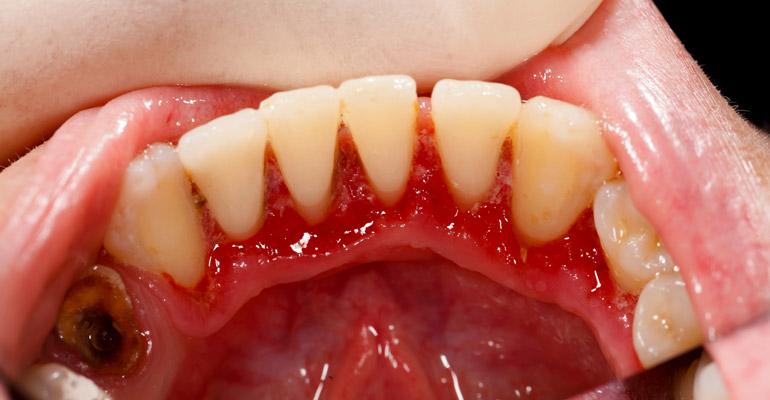

Gum Problems and Treatment | Causes, Symptoms, and Best Treatment Options
Gum problems and treatment is one of the most common topics in dentistry, as gum disease often starts mildly and progresses silently without obvious pain in the early stages, making many patients unaware until it becomes more advanced.
In this simple medical guide, you will learn about the main causes of gum problems, warning signs to watch for, and effective treatment options to maintain healthy gums and teeth.
What Are Gum Problems?
Gum problems refer to inflammation or damage affecting the tissues surrounding and supporting the teeth. They often begin as mild gingivitis and may progress into more serious conditions affecting the bone and leading to tooth loss if untreated.
👉 That’s why early understanding of gum problems and treatment is essential to prevent complications.
Causes of Gum Problems
There are several common causes of gum disease, including:
- Plaque and tartar buildup on teeth
- Poor oral hygiene habits
- Smoking
- Hormonal changes
- Uncontrolled diabetes
- Weakened immune system
Symptoms of Gum Problems
Gum issues can be identified through several warning signs, such as:
- Bleeding while brushing or flossing
- Red or swollen gums
- Persistent bad breath
- Receding gums exposing more of the tooth
- Gum pain or sensitivity
👉 If these symptoms appear, immediate gum problems and treatment should begin.
Types of Gum Disease
1. Gingivitis
This is the early stage of gum disease and is usually reversible with proper oral care and professional cleaning.
2. Periodontitis
A more advanced stage that affects the bone supporting the teeth and may lead to tooth loss if not treated properly.
Treatment of Gum Problems
1. Professional Teeth Cleaning
The first step in gum problems and treatment is removing plaque and tartar buildup that causes inflammation.
2. Deep Cleaning (Scaling and Root Planing)
In advanced cases, deep cleaning below the gum line is needed to remove bacteria and infection.
3. Medical Mouthwash
Helps reduce bacteria and improve gum health.
4. Antibiotics (In Severe Cases)
Used only when there is a significant bacterial infection.
5. Surgical Treatment
In advanced stages, gum or bone surgery may be required to restore oral health.
Prevention of Gum Problems
- Brush teeth twice daily
- Use dental floss regularly
- Avoid smoking
- Visit the dentist every 6 months
- Professional cleaning when needed
When Should You See a Dentist?
You should visit a dentist immediately if you notice:
- Frequent gum bleeding
- Persistent swelling or pain
- Chronic bad breath
- Loose teeth
👉 Early diagnosis is the key to successful gum problems and treatment.
Are Gum Problems Serious?
Yes, if left untreated, gum disease may lead to:
- Tooth loss
- Jaw bone damage
- Chronic oral infections
However, in early stages, it is easily treatable with proper care.
FAQ – Frequently Asked Questions
What is the best treatment for gum problems?
It depends on the condition, but professional cleaning and good oral hygiene are the foundation of treatment.
Can gum disease go away on its own?
No, it requires treatment and proper cleaning to prevent progression.
Is gum treatment painful?
Most procedures are not painful and may cause only mild discomfort.
How often should tartar be cleaned?
Usually every 6 months or as recommended by the dentist.
Conclusion
Gum problems and treatment should never be ignored, as early detection makes treatment simple and effective, while neglect can lead to serious complications.
👉 Maintaining good oral hygiene and regular dental visits is the best way to protect your gums and teeth in the long term.