
Gynecomastia Treatment for Men in Mohandessin | Dr. Ahmed Lotfy El-Gamal
If you have noticed an increase in breast size or a noticeable prominence in your chest area, you may be wondering what is causing it and whether you need medication or surgical treatment. Gynecomastia is the enlargement of glandular breast tissue in males. It may be associated with hormonal changes or other health factors, and the appropriate treatment varies depending on the cause, the degree of enlargement, and the type of tissue involved.
If you are looking for information about gynecomastia treatment in Mohandessin, you can contact Dr. Ahmed Lotfy El-Gamal to inquire about an assessment and the treatment options that may be suitable for your condition.
📞 Contact us via WhatsApp or phone to book an appointment:
🔎 What Is Gynecomastia in Men?
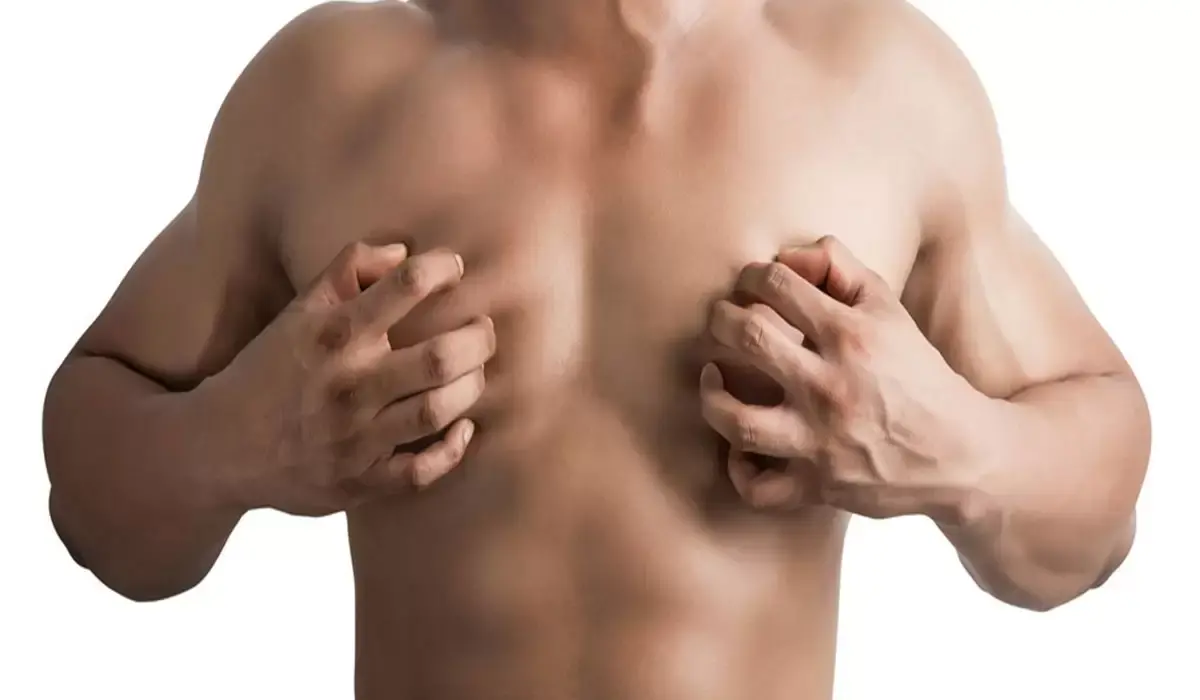
Gynecomastia is an increase in glandular breast tissue in males. It may affect one side of the chest or both sides, and its severity varies from person to person. In some cases, the enlargement is mild, while in others, it creates a more noticeable prominence that affects the appearance of the chest.
It is important to distinguish between true gynecomastia, which involves an increase in glandular breast tissue, and pseudogynecomastia, which is primarily caused by fat accumulation in the chest area. Although the two conditions may look similar, their treatment approaches can differ.
A medical assessment is therefore an important first step before choosing a treatment, particularly if the chest size is changing over time or the enlargement is accompanied by pain or swelling.
⚠️ What Causes Gynecomastia in Men?
Gynecomastia can develop for several reasons. The underlying cause cannot always be identified from appearance alone. Factors that may contribute to the condition include the following.
⚖️ Hormonal Changes
Gynecomastia may occur when the balance between estrogen and testosterone changes. Both hormones are present in males and females, but in different proportions. Hormonal changes may occur during certain stages of life, including puberty and older adulthood.
⚖️ Certain Medications
Some medications may be associated with gynecomastia. It is important to inform the doctor about all medications and supplements you use during the assessment. Do not stop a prescribed medication without consulting the prescribing healthcare professional.
⚖️ Weight Gain and Fat Accumulation
Fat accumulation in the chest can increase its size and prominence, even when there is no significant enlargement of the glandular tissue. In some cases, excess fat and true gynecomastia may occur together.
⚖️ Certain Health Conditions
In some cases, gynecomastia may be associated with conditions affecting hormone levels or the function of the liver, kidneys, or thyroid gland. Depending on the symptoms and medical history, the doctor may recommend further evaluation.
🩺 What Are the Symptoms of Gynecomastia?
Symptoms vary according to the severity of the enlargement and its underlying cause. They may include:
-
Increased chest size.
-
Noticeable prominence around the nipples.
-
Pain or tenderness when touching the area.
-
Relatively firm tissue beneath the nipple.
-
Differences in size between the two sides of the chest.
-
Embarrassment or discomfort when wearing certain clothes.
These signs do not necessarily confirm true gynecomastia. Chest enlargement may result from fat accumulation or other causes, so a medical examination can help determine the nature of the problem.
🔍 How Is Gynecomastia Diagnosed?
Diagnosing gynecomastia involves an individual assessment that considers the symptoms, their duration, and any factors that may have contributed to the enlargement.
The assessment may include the following.
📋 Medical History
The doctor may ask when the enlargement began, whether the chest size has changed, whether pain or other symptoms are present, and which medications you take. Your medical history may also help identify possible contributing factors.
🩺 Physical Examination
An examination helps assess the size and nature of the tissue. It may help distinguish glandular enlargement from fat accumulation and identify signs that require further investigation.
🧪 Additional Tests When Needed
The doctor may recommend hormone tests or other investigations if the symptoms or examination findings suggest that further assessment is necessary. Not every patient requires the same tests.
This evaluation helps identify the likely cause and determine which treatment options may be appropriate, rather than relying on assumptions or choosing treatment without a diagnosis.
💊 What Are the Treatment Options for Gynecomastia?
Gynecomastia treatment depends on the underlying cause, the duration and severity of the condition, the patient's age, and overall health.
1. Treating the Underlying Cause
If gynecomastia is associated with a medication or a health condition affecting hormone levels, addressing the underlying cause may be part of the treatment plan. The doctor determines the appropriate steps after evaluating the case. Hormonal medications should not be used, and prescribed medications should not be discontinued, without appropriate medical guidance.
2. Medical Monitoring
Some cases of gynecomastia, particularly those associated with temporary hormonal changes during puberty, may improve without surgery. Whether monitoring is appropriate depends on the patient's age, symptom duration, and examination findings.
3. Managing Fat Accumulation
If chest enlargement is mainly caused by excess fat, managing body weight through an appropriate health plan may improve the appearance of the area. However, weight loss does not guarantee that glandular breast tissue will disappear when true gynecomastia is present.
4. Surgical Treatment
Surgery may be considered in certain cases when the enlargement persists, causes significant discomfort, or is unlikely to improve with other appropriate options. The type of procedure depends on the nature of the tissue, the degree of enlargement, and the medical assessment.
🏥 Gynecomastia Surgery: When May It Be Appropriate?
Gynecomastia surgery may be discussed when breast enlargement persists or noticeably affects the appearance of the chest or the patient's comfort.
The procedure varies according to the individual condition. Treatment may involve removing excess glandular tissue, removing excess fat, or combining both approaches when appropriate.
Before deciding on surgery, it is important to discuss the purpose of the procedure, expected outcomes, recovery period, potential risks, and whether suitable alternatives are available.
The need for surgery and the appropriate technique cannot be determined solely from photographs or a description of chest size. A medical assessment is necessary to evaluate the tissue and understand the nature of the problem.
⏳ What Factors May Affect the Outcome of Gynecomastia Treatment?
Outcomes vary from one person to another and may depend on several factors, including:
-
The underlying cause of gynecomastia.
-
The amount of glandular tissue and excess fat.
-
How long the condition has been present.
-
Skin elasticity and characteristics.
-
Overall health.
-
The type of treatment and its suitability for the condition.
-
Following medical instructions during recovery.
It is important to maintain realistic expectations and discuss possible outcomes and risks with the doctor before deciding on any procedure.
🚨 When Should Men Seek Medical Assessment for Breast Enlargement?
A medical assessment is advisable if you notice new or persistent breast enlargement, particularly when it is accompanied by other symptoms.
The following signs deserve particular attention:
-
A new or unusual firm lump.
-
Rapid enlargement on one side of the chest.
-
Nipple discharge, especially bloody discharge.
-
Changes in the skin or nipple retraction.
-
Persistent pain or unusual swelling.
These signs do not necessarily indicate a serious condition, but they should be assessed rather than automatically attributed to ordinary gynecomastia.
👨⚕️ Gynecomastia Treatment in Mohandessin with Dr. Ahmed Lotfy El-Gamal
If you are looking for gynecomastia treatment in Mohandessin, Giza, you can contact Dr. Ahmed Lotfy El-Gamal to inquire about an assessment and discuss the options that may be appropriate for your condition.
A medical evaluation can help determine whether the enlargement is associated with glandular breast tissue, fat accumulation, or other factors. It can also help clarify whether monitoring, treatment of an underlying cause, or discussion of a surgical procedure may be appropriate.
📞 Appointments and inquiries:
📍 Clinic Address in Mohandessin, Giza
9 Abdel Hamid Lotfy Street, off El-Batal Ahmed Abdel Aziz Street, Mohandessin, Giza, Egypt.
Please contact the clinic in advance to confirm appointment availability and the services provided.
📞 Book an Appointment for Gynecomastia Assessment
Gynecomastia can have different causes, and identifying the underlying reason is an important step before choosing treatment. If you have noticed increased chest size, prominence around the nipples, or would like to understand the options available for your condition, you can contact Dr. Ahmed Lotfy El-Gamal to inquire about an appropriate medical assessment.
📱 Phone and WhatsApp:
📍 Address: 9 Abdel Hamid Lotfy Street, off El-Batal Ahmed Abdel Aziz Street, Mohandessin, Giza.
Contact us via WhatsApp or phone to ask about appointments and available services.
This article is intended for general educational purposes and does not replace a medical examination. Gynecomastia treatment varies according to the cause, tissue characteristics, and overall health. A healthcare professional should assess each case individually before recommending treatment.