
H. pylori Infection: Symptoms, Causes, Diagnosis, and Treatment | Dr. Youssef Abdel Moneim
Helicobacter pylori (H. pylori) is a type of bacteria that can live in the stomach lining. It may cause chronic inflammation or peptic ulcers in some people, while others experience no obvious symptoms. H. pylori symptoms can overlap with other digestive problems, such as acid reflux, bloating, and indigestion, so symptoms alone cannot confirm the infection. This article explains the possible causes, diagnostic tests, and treatment approaches, as well as the importance of completing treatment and confirming eradication when indicated. You can contact Dr. Youssef Abdel Moneim to inquire about an appointment and discuss appropriate medical assessment.
📍 Address and Contact Information
Dr. Youssef Abdel Moneim
Gemeiza Belqay, above Dr. Magda Magdy Pharmacy and Al-Safa Laboratory.
📞 Appointments and inquiries: 01038423989

What Is H. pylori?
H. pylori is a bacterium that can survive in the protective mucus layer lining the stomach.
The infection may cause inflammation of the stomach lining and is associated with stomach or duodenal ulcers in some people. Chronic infection is also associated with an increased risk of certain stomach diseases, including stomach cancer. However, having H. pylori does not mean that a person will necessarily develop cancer.
The infection can persist for a long time without noticeable symptoms. Therefore, the presence or absence of stomach pain alone cannot establish whether the bacteria are present.
Diagnosis depends on appropriate testing, while treatment selection takes into account confirmation of the infection, medical history, current medications, and any previous treatment for H. pylori.
What Are the Symptoms of H. pylori Infection?
Not everyone with H. pylori develops symptoms. Some people discover the infection during investigations for another digestive problem.
When symptoms occur, they may include:
-
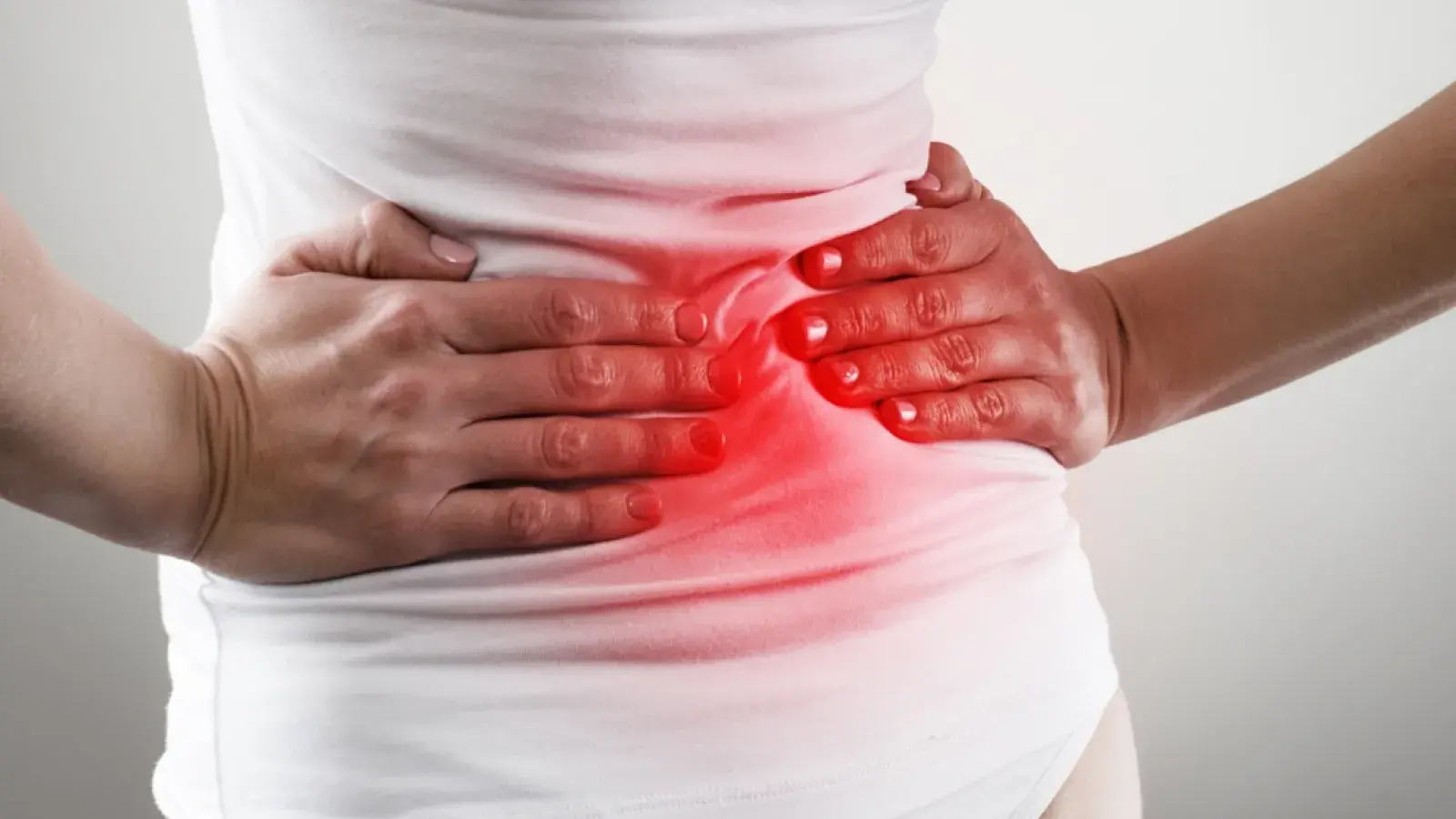
Pain or a burning sensation in the upper abdomen.
-
Bloating and frequent burping.
-
Feeling full after eating.
-
Indigestion or general stomach discomfort.
-
Nausea in some cases.
-
Reduced appetite or weight loss in certain cases.
Some symptoms may become more noticeable when the stomach is empty or at night, but these patterns are not specific to H. pylori. Similar symptoms can occur with ulcers, acid reflux, and other digestive conditions.
If symptoms persist or recur, medical assessment is advisable to identify the cause rather than taking antibiotics based on symptoms alone.
What Causes H. pylori Infection?
H. pylori can spread between people. Transmission may occur through oral contact or through contaminated food or water. Sanitation and hygiene conditions may also influence the risk of transmission.
The infection is often acquired during childhood and can remain undetected for years. Having H. pylori does not necessarily mean that a person has poor hygiene, and the exact source of infection cannot always be identified.
General hygiene practices can help reduce transmission risks. These include washing hands with soap and water after using the bathroom and before preparing or eating food, and ensuring that food and water are handled safely.
The infection cannot be diagnosed based on diet or lifestyle alone. Appropriate testing is needed when medical assessment indicates that it may be present.
How Is H. pylori Diagnosed?
Diagnosis relies on tests that detect the infection. The doctor selects the appropriate test according to symptoms, medical history, and whether additional investigation is needed.
Urea Breath Test
The urea breath test is commonly used to detect active H. pylori infection. The patient takes a substance used in the test, and a breath sample is then analyzed for indicators associated with bacterial activity.
Certain medications may affect the accuracy of the result. Patients should therefore follow the doctor's or laboratory's instructions about medication use before testing.
Stool Antigen Test
A stool antigen test detects substances associated with H. pylori in a stool sample. It can be used to diagnose active infection and, at the appropriate time, to confirm whether treatment has successfully eradicated the bacteria.
Upper Gastrointestinal Endoscopy and Biopsy
An upper gastrointestinal endoscopy may be recommended when the doctor needs to examine the stomach lining directly or when alarm symptoms or certain risk factors are present. Tissue samples may be taken during the procedure when needed.
Not everyone with indigestion requires an endoscopy. The decision depends on the person's age, symptoms, medical history, and assessment findings.
How Is H. pylori Treated?
Treatment usually involves a combination of medicines, including antibiotics and medication that reduces stomach acid. Additional medicines may be included depending on the selected treatment regimen.
The doctor chooses treatment according to factors such as previous treatment, medication allergies, possible antibiotic resistance, and the patient's medical circumstances.
Patients should not take a single antibiotic or repeat an old regimen without medical advice. A previous treatment may not be suitable for the current infection, and inappropriate antibiotic use can contribute to bacterial resistance.
It is important to follow the prescribed doses and treatment duration and not to stop early simply because symptoms improve. If side effects or difficulties taking the medicines occur, contact the treating doctor rather than changing the regimen independently.
Does H. pylori Disappear After Treatment?
Treatment may successfully eradicate the bacteria, but improvement in symptoms alone does not confirm that the infection has cleared. Stomach discomfort or acid-related symptoms may improve while the bacteria remain present.
For this reason, medical guidelines recommend a test to confirm eradication after treatment. Depending on the clinical situation, this may involve a urea breath test or a stool antigen test.
Testing is generally performed at least four weeks after completing antibiotics. Certain medications, including proton pump inhibitors, may need to be withheld for a period specified by the doctor before testing to reduce the chance of a false-negative result. Prescribed medication should not be stopped without medical advice.
If testing indicates that the infection remains, another treatment regimen may be needed. The choice depends on previous treatment and other clinical considerations.
What Should You Eat If You Have H. pylori?
There is no single diet that eliminates H. pylori, and dietary changes cannot replace antibiotic treatment when an active infection has been confirmed.
However, certain adjustments may reduce digestive discomfort for some people:
-
Eating appropriately sized meals if large meals cause fullness or discomfort.
-
Avoiding foods that consistently worsen individual symptoms.
-
Limiting foods or drinks that trigger acid-related discomfort.
-
Drinking adequate water.
-
Avoiding smoking and following medical advice.
Food tolerance varies, so not everyone needs to avoid the same foods. The most important steps are following the prescribed treatment and completing the recommended eradication test at the appropriate time.
When Should You Seek Urgent Medical Attention?
Certain symptoms should not be treated as ordinary indigestion, including:
-
Vomiting blood or material that resembles coffee grounds.
-
Black, tarry stools or obvious gastrointestinal bleeding.
-
Sudden or severe abdominal pain.
-
Persistent vomiting that prevents you from keeping fluids down.
-
Severe dizziness or fainting, particularly when bleeding is present.
-
Unexplained weight loss or progressively worsening difficulty swallowing, which require prompt medical assessment.
Gastrointestinal bleeding, sudden severe pain, or fainting requires emergency medical care. Persistent symptoms or unexplained weight loss also warrant timely medical evaluation.
Inquire About H. pylori Assessment with Dr. Youssef Abdel Moneim
If you experience recurring upper abdominal pain, bloating, or persistent indigestion, medical assessment may help identify the cause and determine whether testing for H. pylori is appropriate.
You can contact Dr. Youssef Abdel Moneim to inquire about appointments and the appropriate next steps for evaluating your symptoms.
📍 Address: Gemeiza Belqay, above Dr. Magda Magdy Pharmacy and Al-Safa Laboratory.
📞 Appointments and inquiries: 01038423989
Frequently Asked Questions About H. pylori
Does H. pylori always cause stomach pain?
No. Some people have no symptoms, while others experience pain, bloating, or indigestion.
Can H. pylori be diagnosed from symptoms alone?
No. Symptoms can overlap with other digestive conditions, so an appropriate diagnostic test is needed.
Should I complete the full course of H. pylori treatment?
Yes. Follow the prescribed doses and treatment duration, and do not stop treatment without consulting the doctor.
How can I confirm that H. pylori has been eradicated?
A urea breath test or stool antigen test is usually performed after treatment at the time recommended by the doctor.
How can I book an appointment with Dr. Youssef Abdel Moneim?
You can contact the clinic for appointments and inquiries at 01038423989.
Conclusion
H. pylori infection requires appropriate diagnosis and a treatment regimen selected by a doctor. Symptoms alone cannot confirm the infection, and symptom improvement does not necessarily prove that the bacteria have been eradicated.
Appropriate testing, completing the prescribed treatment, and confirming eradication afterward are important steps in managing the infection and reducing the risk of persistent disease.