Heart Disease Diagnosis in 10th of Ramadan | Dr. Abdullah
Learn about the essential tests used to diagnose heart diseases, including clinical evaluation, ECG, echocardiography, stress testing, Holter monitoring, and coronary artery assessments with Dr. Abdullah Ahmed Abdullah, Consultant Cardiologist and Coronary Intervention Specialist in 10th of Ramadan City.
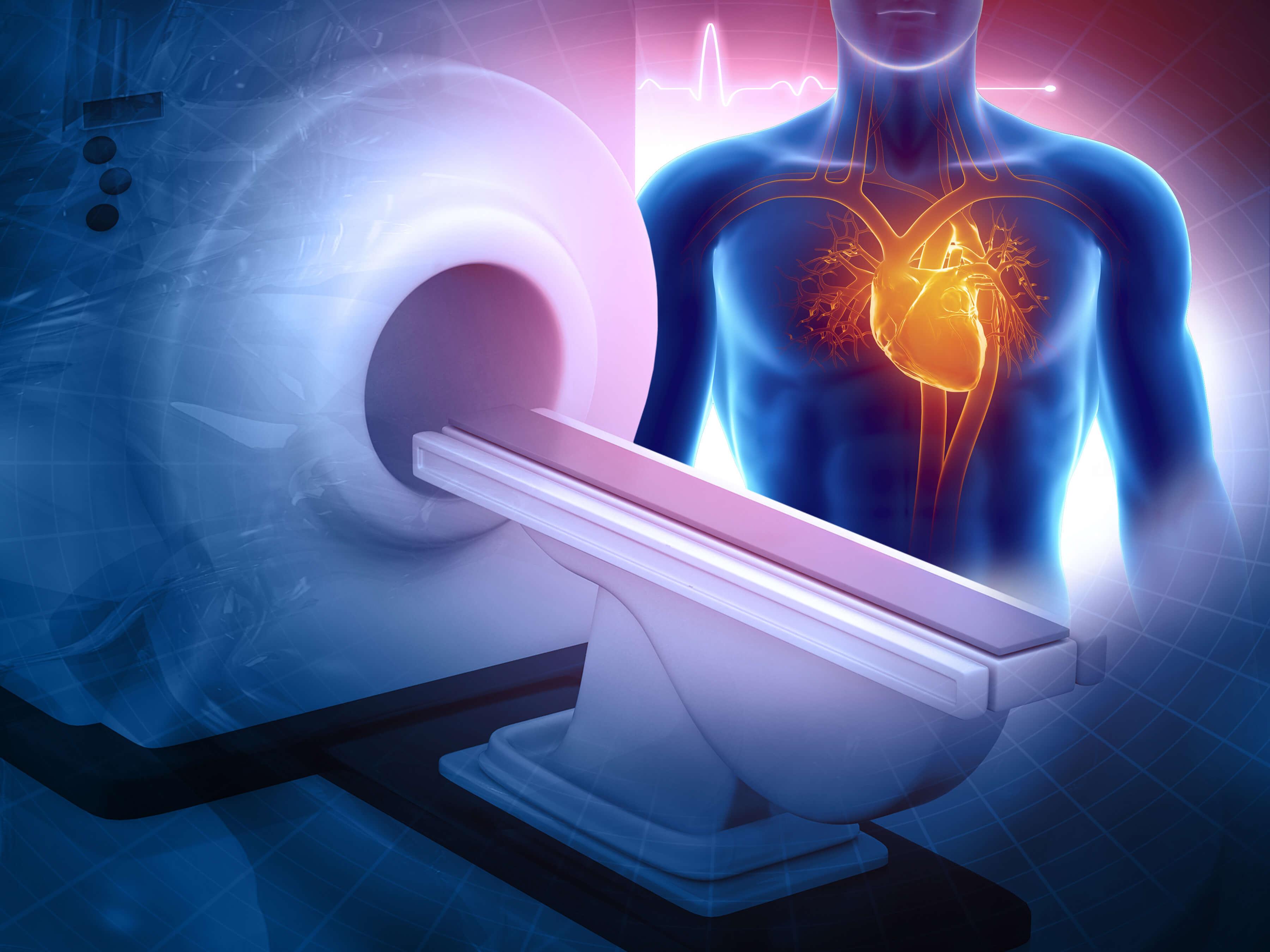

Heart Disease Diagnosis in 10th of Ramadan | Dr. Abdullah Ahmed Abdullah
📞 Contact & Booking Information
Specialized Heart Center in 10th of Ramadan – Dr. Abdullah Ahmed Abdullah
Consultant Cardiologist and Coronary Artery Catheterization Specialist
If you are looking for heart disease diagnosis in 10th of Ramadan with a specialized cardiologist, Dr. Abdullah Ahmed Abdullah provides specialized medical care at the Specialized Heart Center for the diagnosis and follow-up of heart and cardiovascular diseases. The consultation begins with a comprehensive assessment of the patient's symptoms, medical history, and general health, followed by determining the appropriate tests when necessary to reach an accurate diagnosis and develop a personalized treatment and follow-up plan.
📞 For appointments and inquiries:
01099559224
01220664555
Landline: 055/4466667
⏰ Working Hours: Daily from 4:00 PM to 9:00 PM, except Friday.
📌 Important Note: Telephone booking in advance is recommended. Patients are seen according to the order of actual attendance.
📍 Address: 10th of Ramadan City – Jordanian Area – Al Kamal Center – next to Techno Scan Radiology – behind Cinco Mall and the Bibliotheca Alexandria – above Dr. Nadia Pharmacy.
Essential Tests for Diagnosing Heart Diseases
The tests needed to diagnose heart diseases vary from one patient to another depending on symptoms, age, medical history, and clinical examination results. Not every patient needs to undergo all cardiac tests. Dr. Abdullah Ahmed Abdullah, Consultant Cardiologist and Coronary Artery Catheterization Specialist, determines the appropriate tests according to each patient's condition and symptoms.
Electrocardiogram (ECG)
An electrocardiogram (ECG) is one of the basic tests that a cardiologist may request. It records the heart's electrical activity and can help detect certain heart rhythm abnormalities and electrical changes that may be associated with specific cardiac conditions.
An ECG may be recommended when a patient experiences symptoms such as chest pain, palpitations, dizziness, or shortness of breath, or as part of a cardiac assessment based on the patient's medical history.
Echocardiogram
An echocardiogram uses sound waves to evaluate the structure and function of the heart. It can provide information about the movement of the heart muscle, the chambers and valves, and the heart's pumping function.
The cardiologist determines whether an echocardiogram is necessary based on the patient's symptoms and initial examination, particularly when there are signs that may indicate a problem involving the heart muscle or valves.
Exercise Stress Test
Some patients may need an exercise stress test to evaluate how the heart performs during physical activity, particularly when symptoms appear or become worse with exertion.
The suitability of this test is determined by the cardiologist after evaluating the patient's overall health, as the need for a stress test varies from one case to another.
Holter Monitoring
For patients experiencing intermittent palpitations or irregular heartbeats, recording the heart's activity for a longer period may be useful. A Holter monitor can continuously record the heart's electrical activity for a period determined by the cardiologist.
This type of monitoring can help identify certain heart rhythm abnormalities that may not appear during a standard ECG performed at the clinic.
Laboratory Tests and Blood Tests
A cardiologist may request certain blood tests when necessary to evaluate factors related to cardiovascular health, such as cholesterol and lipid levels or other relevant indicators based on the patient's symptoms and medical history.
These tests are not requested randomly. The doctor determines which laboratory tests are appropriate according to the patient's individual medical condition.
Coronary Artery Tests
When a problem involving the coronary arteries is suspected, the patient may need specialized tests to help evaluate blood flow to the heart muscle and the condition of the coronary arteries.
The choice of test depends on the patient's symptoms, previous test results, and cardiovascular risk factors. Some cases may require a more specialized cardiac evaluation.
Cardiac Catheterization
Coronary artery catheterization is a specialized medical procedure that may be used to directly evaluate the coronary arteries when clinically indicated.
However, experiencing chest pain does not automatically mean that every patient needs cardiac catheterization. The cardiologist determines whether the procedure is necessary after evaluating the symptoms, previous test results, and overall health condition.
How Does a Cardiologist Determine the Appropriate Tests?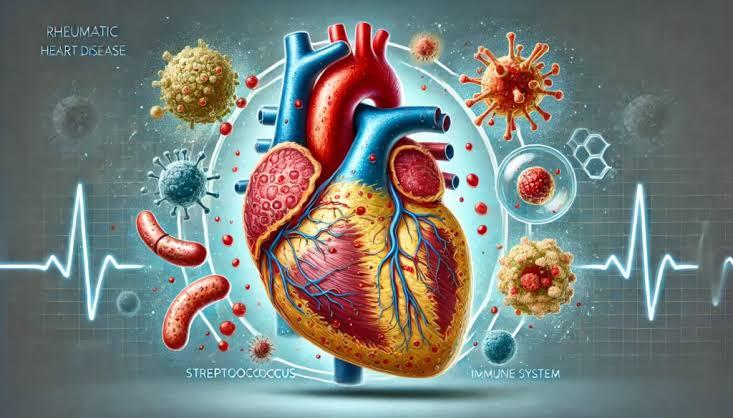
The selection of tests for diagnosing heart diseases depends on several factors, including the type and duration of symptoms, age, medical history, blood pressure, medications, and the presence of cardiovascular risk factors.
Therefore, patients should not choose cardiac tests on their own. The appropriate test varies according to each medical condition. Accurate diagnosis begins with a comprehensive medical consultation and clinical assessment, followed by selecting the tests that the patient actually needs.
Book a Heart Disease Consultation in 10th of Ramadan
If you experience chest pain, shortness of breath, palpitations, dizziness, or have cardiovascular risk factors, you can contact Dr. Abdullah Ahmed Abdullah – Consultant Cardiologist and Coronary Artery Catheterization Specialist at the Specialized Heart Center in 10th of Ramadan for a comprehensive evaluation and to determine the appropriate cardiac tests.
Why Is Heart Disease Screening Important?
Early cardiac evaluation and appropriate heart tests can help identify many heart problems before they progress or lead to complications. Heart disease does not always cause severe symptoms. Some conditions may appear as mild or recurring symptoms such as palpitations, shortness of breath, chest discomfort or pressure, unusual fatigue, or dizziness.
During the consultation, the cardiologist evaluates whether additional tests are necessary based on the patient's symptoms, age, medical history, and risk factors, helping avoid unnecessary testing.
When Should You See a Cardiologist?
You should consider consulting a cardiologist when you experience persistent or recurring symptoms that may be related to the heart, including:
- Chest pain, pressure, or heaviness.
- Shortness of breath, especially during physical activity.
- Heart palpitations or irregular heartbeat.
- Recurring dizziness or fainting.
- Swelling in the feet or legs in some cases.
- Unusual or unexplained fatigue.
- High blood pressure requiring medical follow-up.
- A personal or family history of heart or coronary artery disease.
- Follow-up after cardiac procedures or coronary catheterization.
If you experience severe or sudden chest pain, severe shortness of breath, or sudden loss of consciousness, seek urgent medical care rather than waiting for a regular appointment.
How Is Heart Disease Diagnosed?
The cardiac consultation usually begins by discussing the patient's main complaint and symptoms in detail, reviewing the medical history, current medications, and cardiovascular risk factors.
The doctor then performs a clinical examination, measures blood pressure, and evaluates the patient's general condition. Based on these findings, the cardiologist determines whether additional cardiac tests are needed.
The type of test varies from one patient to another. Not every condition requires the same examinations. Depending on the patient's condition, the assessment may include electrical, imaging, or physiological tests to evaluate heart function and cardiovascular circulation.
Blood Pressure and Heart Health Assessment
High blood pressure is an important factor that requires medical monitoring, particularly when blood pressure remains elevated or uncontrolled. A cardiologist evaluates blood pressure readings along with other factors such as age, medical history, symptoms, and lifestyle.
Regular medical follow-up helps assess the patient's response to treatment and supports appropriate medical decisions, particularly for people with risk factors for heart and coronary artery disease.
Assessing Heart Muscle Function
One of the important goals of a heart disease evaluation is to assess the function of the heart muscle when clinically indicated. Additional tests may be required to evaluate the heart's pumping ability or identify certain problems involving the heart muscle, valves, or cardiovascular circulation.
The appropriate test is selected according to the patient's symptoms and initial examination results, helping the cardiologist develop a clearer understanding of the heart's condition.
Diagnosis and Follow-Up of Coronary Artery Disease
The coronary arteries play an essential role in supplying blood to the heart muscle. Therefore, symptoms that may indicate a problem with coronary circulation require specialized cardiac evaluation.
Dr. Abdullah Ahmed Abdullah, Consultant Cardiologist and Coronary Artery Catheterization Specialist, provides diagnostic and follow-up services for patients with heart and coronary artery conditions, with individualized assessment and appropriate medical recommendations based on each patient's needs.
Follow-Up After Coronary Artery Catheterization
Medical care does not end after a catheterization procedure. Follow-up is important for assessing the patient's condition, monitoring treatment, and managing cardiovascular risk factors.
With his specialization in coronary artery catheterization, Dr. Abdullah provides follow-up and assessment for patients at different stages, with attention to blood pressure, symptoms, medications, and factors that may affect cardiovascular health.
Why Choose the Specialized Heart Center in 10th of Ramadan?
The Specialized Heart Center in 10th of Ramadan provides specialized care for patients with heart and coronary artery conditions through a comprehensive assessment. Patient care is based on understanding symptoms and medical history, performing a clinical examination, and requesting the necessary tests when indicated.
Key services include:
- Heart disease diagnosis and follow-up.
- High blood pressure monitoring.
- Assessment of heart muscle function.
- Evaluation of coronary circulation conditions.
- Follow-up of coronary artery diseases.
- Follow-up after coronary artery catheterization.
- Determining the appropriate cardiac tests according to the patient's condition.
The Importance of Regular Heart Check-Ups
Taking care of heart health is not limited to treating a disease after it appears. Regular medical follow-up can help identify cardiovascular risk factors and monitor chronic conditions more effectively. Follow-up is particularly important for people with high blood pressure, a family history of heart disease, or other cardiovascular risk factors.
Visiting a cardiologist when unusual symptoms appear can also help identify the underlying cause instead of relying on self-diagnosis or delaying medical evaluation.
Book a Heart Disease Consultation in 10th of Ramadan
If you are looking for heart disease diagnosis in 10th of Ramadan, you can contact Dr. Abdullah Ahmed Abdullah at the Specialized Heart Center to book an appointment and inquire about the available cardiac services.
The center receives patients daily from 4:00 PM to 9:00 PM, except Friday. Advance telephone booking is recommended.
📞 For appointments:
055/4466667
📍 Address: 10th of Ramadan City – Jordanian Area – Al Kamal Center – next to Techno Scan Radiology – behind Cinco Mall and the Bibliotheca Alexandria – above Dr. Nadia Pharmacy.
Choosing a specialized cardiologist and receiving the appropriate medical evaluation at the right time can help identify and monitor heart problems more accurately, especially when symptoms require professional assessment.
Disclaimer: The information provided is intended to describe the available medical services and does not replace a direct medical examination or professional evaluation by a qualified physician.
Discover Doppler ultrasound services in Sharqia at Dr. Mahmoud El-Tawil Diagnostic Radiology, Ultrasound & Doppler Center in Awlad Saqr, offering accurate diagnostic examinations using modern medical technology and detailed reports to support diagnosis and treatment follow-up.
Learn how laser hair removal works, how many sessions may be needed, and important pre- and post-treatment tips with Dr. Qamaria Tarek El-Banna.

Learn about facial tissue tightening, when it may help improve facial sagging, and why professional assessment is important with Dr. Alaa Wahid.

El Ekhwaa Trading & Air Conditioning provides professional air conditioning installation in Fifth Settlement, with modern AC units, safe installation, regular maintenance, warranties, and integrated cooling solutions for homes, offices, and commercial spaces
