
Heart Valve Surgery: When Does a Patient Need Surgical Treatment? | Dr. Mohamed Hassan Abdullah
Heart valves play an essential role in regulating blood flow through the heart. When a valve becomes narrowed or does not close properly, it can affect the heart's ability to pump blood efficiently. Early evaluation of heart valve problems can help determine the appropriate treatment and prevent the condition from progressing.
📞 For appointments and inquiries with Dr. Mohamed Hassan Abdullah, Consultant of Cardiothoracic Surgery:
Gardenia Clinics: 01119226555 / 0223621602
Damanhour Cardiac Center (DCC): 01028888719 / 0453333372 / 01028888716
Military Production Hospital: 0228167051

1. What Are the Heart Valves and What Do They Do?
The heart has four main valves that regulate the movement of blood between the chambers of the heart and the major blood vessels.
The valves open to allow blood to pass and close to prevent it from flowing backward.
When a valve becomes narrowed or does not close properly, blood flow may be affected and the heart may have to work harder to pump blood.
2. What Are the Most Common Heart Valve Problems?
Several conditions can affect the heart valves, and their impact varies depending on the affected valve and severity of the problem.
The most common conditions include:
Heart Valve Stenosis
Valve stenosis occurs when a heart valve becomes narrowed and does not allow blood to pass through easily. This can make the heart work harder to move blood forward.
Heart Valve Regurgitation
Regurgitation occurs when a valve does not close properly, allowing some blood to flow backward instead of moving normally through the heart.
Multiple Valve Disease
In some patients, more than one heart valve may be affected. These cases require careful evaluation to determine how the condition affects heart function and which treatment approach is most appropriate.
3. What Are the Symptoms of Heart Valve Problems?
Some heart valve conditions may not cause noticeable symptoms during the early stages. Symptoms may become more apparent as the condition becomes more severe.
Possible symptoms include:
-
Shortness of breath, especially during physical activity.
-
Fatigue and reduced energy.
-
Heart palpitations or irregular heartbeat.
-
Dizziness or feeling faint.
-
Chest pain or discomfort.
-
Swelling in the feet or legs.
-
Reduced ability to perform normal activities.
These symptoms can also occur with other medical conditions, so a medical evaluation is necessary to determine the actual cause.
4. When Does a Heart Valve Problem Require Surgery?
Not every patient with a heart valve problem needs surgery.
Some cases can be managed with regular monitoring and medication, while more advanced conditions may require an intervention to repair or replace the affected valve.
The decision to perform surgery depends on several factors, including:
-
The type of valve problem.
-
The severity of stenosis or regurgitation.
-
The effect of the condition on heart function.
-
The presence and severity of symptoms.
-
The results of cardiac tests.
-
The patient's overall health.
For this reason, the decision to undergo surgery should follow a comprehensive medical evaluation rather than being based on a single symptom or test result.
5. What Is the Difference Between Heart Valve Repair and Replacement?
There are two main surgical approaches for treating certain heart valve problems: valve repair and valve replacement.
During valve repair, the surgeon preserves the patient's natural valve and works to improve its function.
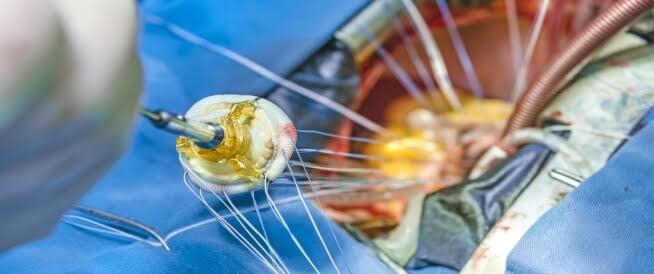
During valve replacement, the damaged valve is removed and replaced with an appropriate replacement valve.
The choice between repair and replacement depends on the type and severity of the valve problem, the extent of damage, and the overall condition of the heart valve.
6. How Are Heart Valve Diseases Diagnosed?
The evaluation usually begins with a review of the patient's symptoms and medical history, followed by a physical examination.
The doctor may then request tests to assess the condition of the heart valves and heart function. One of the most important tests is echocardiography, commonly known as an echocardiogram or heart ultrasound.
These tests can help determine:
-
The degree of valve narrowing.
-
The severity of valve regurgitation.
-
The effect of the problem on the heart chambers.
-
The heart's pumping function.
-
Whether the patient needs monitoring or an intervention.
When surgery is being considered, these findings also help the surgical team plan the most appropriate treatment.
7. Can Heart Valve Problems Be Treated Without Surgery?
This depends on the type and severity of the valve problem.
Medication and regular monitoring may be appropriate for some patients, while others may require valve repair or replacement.
Certain conditions may also be treated through less invasive or catheter-based procedures when appropriate. The treating medical team determines whether such an option is suitable based on the patient's condition and the affected valve.
8. What Can Happen If a Heart Valve Problem Is Left Untreated?
Potential complications vary depending on the type and severity of the valve problem and how long it remains untreated.
In advanced cases, valve dysfunction can place additional strain on the heart or affect its ability to pump blood efficiently.
For this reason, regular medical follow-up is important, particularly for patients who have been diagnosed with a valve problem or who develop new or worsening symptoms.
9. How Does a Patient Prepare for Heart Valve Surgery?
Before surgery, the patient's overall health is carefully assessed.
The preparation process may include reviewing the patient's medical history and medications and performing the necessary tests to evaluate heart function and general health.
The medical team provides specific instructions regarding medications, nutrition, and preparation for surgery according to the patient's condition and the planned procedure.
10. What Happens After Heart Valve Surgery?
After surgery, the patient needs a period of recovery and regular medical follow-up. Recovery time varies depending on the type of procedure and the patient's overall health.
The doctor may provide a follow-up plan that includes medications, medical examinations, physical activity instructions, and gradual return to daily activities.
Following medical instructions and attending scheduled appointments are important for monitoring heart and valve function after surgery.
11. When Should You Consult a Cardiothoracic Surgeon?
A consultation with a cardiothoracic surgeon may be important when a patient has been diagnosed with an advanced heart valve problem or when medical tests suggest that valve repair or replacement may be necessary.
Patients should also seek medical evaluation if they experience persistent symptoms such as shortness of breath, chest pain, palpitations, dizziness, or swelling in the legs, particularly when these symptoms become more frequent or severe.
Sudden severe chest pain, severe shortness of breath, or loss of consciousness requires immediate emergency medical attention.
Dr. Mohamed Hassan Abdullah | Consultant of Cardiothoracic Surgery
Dr. Mohamed Hassan Abdullah specializes in cardiothoracic surgery, with services including:
-
Open-heart surgery.
-
Coronary artery bypass surgery.
-
Heart valve surgery.
-
Minimally invasive surgical procedures.
-
Chest surgery.
-
Video-Assisted Thoracoscopic Surgery (VATS).
Clinic Locations and Working Hours
Saturday | Military Production Hospital
🕐 1:00 PM
☎️ 02-28167051
Monday | Gardenia Clinics
📍 35 Al Qasr Al Ainy Street
🕐 8:00 PM
📞 01119226555 / 02-23621602
Wednesday | Arab Contractors Hospital
🕐 12:00 PM
Friday | Damanhour Cardiac Center (DCC)
📍 Inside Dar Al Shifa Hospital, Damanhour, Beheira
📌 Appointments by prior booking
📞 01028888719
☎️ 0453333372
📞 01028888716
Conclusion
Heart valve diseases vary from one patient to another, and treatment depends on the type and severity of the condition and its effect on heart function.
Some patients may only need medication and regular monitoring, while others may require valve repair or replacement surgery.
Early evaluation and regular follow-up can help identify the nature of the valve problem and determine the most appropriate treatment plan at the right time.
Dr. Mohamed Hassan Abdullah – Consultant of Cardiothoracic Surgery