
Heartburn: When Does It Become Dangerous? How to Distinguish Between Normal Symptoms and Early Warning Signs
Introduction
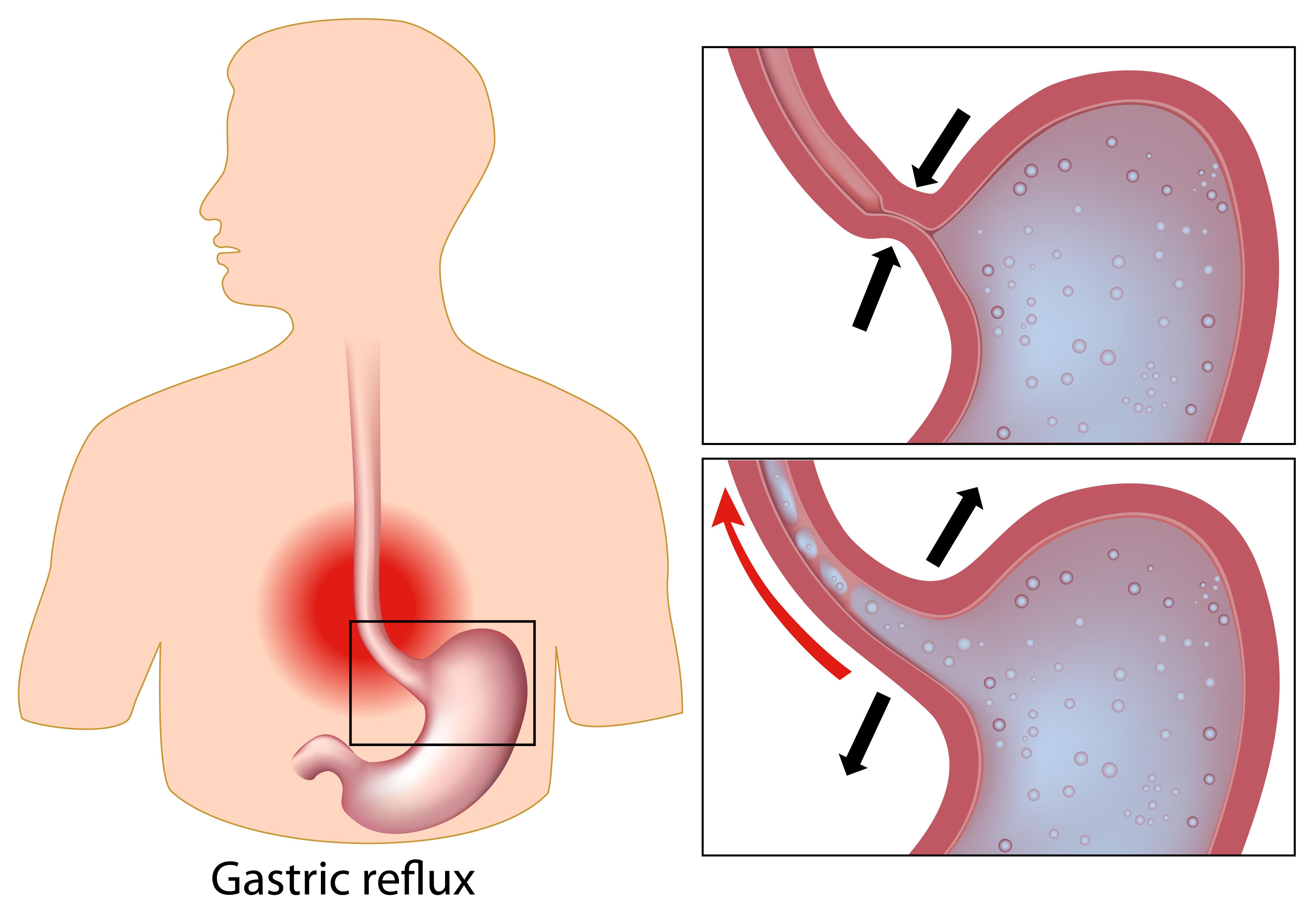
Heartburn, also known as acid reflux or GERD, is one of the most common digestive problems affecting a large number of people. In most cases, it is mild and manageable, but persistent or frequent heartburn may indicate an underlying health condition that requires medical attention.
What is Heartburn?
Heartburn is a burning sensation in the chest or upper abdomen caused by stomach acid flowing back into the esophagus. It may be accompanied by a sour taste in the mouth, difficulty swallowing, or a chronic cough.
Common Causes of Heartburn
- Eating fatty or spicy foods.
- Excessive consumption of coffee and carbonated drinks.
- Eating right before bedtime.
- Obesity and excess weight.
- Smoking.
- Stress and psychological pressure.
When is Heartburn Normal?
In many cases, heartburn is temporary and occurs after eating certain foods. It usually disappears shortly after lifestyle adjustments or taking simple antacid medications.
When Does Heartburn Become Dangerous?
Heartburn becomes a concern when it is frequent or accompanied by unusual symptoms such as:
- Heartburn occurring more than twice a week.
- Pain or difficulty when swallowing.
- Unexplained weight loss.
- Frequent vomiting or vomiting blood.
- Dark or black stools (may indicate internal bleeding).
- Severe chest pain similar to heart pain.
These symptoms may indicate chronic gastroesophageal reflux disease (GERD), esophagitis, or other complications that require medical evaluation.
Complications of Ignoring Heartburn
Ignoring chronic heartburn may lead to serious health issues, including:
- Esophagitis (inflammation of the esophagus).
- Esophageal ulcers.
- Esophageal narrowing and swallowing difficulties.
- Increased risk of cellular changes in the esophagus over time.
Prevention Tips for Heartburn
- Eat smaller meals instead of large heavy meals.
- Avoid eating 2–3 hours before bedtime.
- Reduce fatty and spicy foods.
- Limit caffeine and stop smoking.
- Elevate your head while sleeping.
- Maintain a healthy weight.
When Should You See a Doctor?
You should consult a doctor if heartburn persists for a long time or is accompanied by warning signs. Diagnosis may require medications to reduce stomach acid or further medical tests.
Conclusion
Heartburn is a common and often harmless condition, but persistent or severe symptoms may indicate a more serious underlying issue. Early awareness and proper management are essential to prevent complications and maintain digestive health.