
Heel Spur and Heel Pain Treatment in 6th of October | Collagen Injections and Nerve Freezing with Dr. Mohamed Yousry
📞 Contact and Booking Information with Prof. Dr. Mohamed Yousry
Prof. Dr. Mohamed Yousry
Professor of Chronic Pain Management and Non-Surgical Spine and Joint Treatment
📞 For bookings and inquiries in Egypt: 15626
💬 WhatsApp: Contact Us Directly
🌍 Online Consultation: Book Your Consultation
📞 For calls from outside Egypt: +20248810900
📍 Address: Al Mehwar Hospital – 6th of October – Giza
Heel Spur and Heel Pain Treatment in 6th of October
Heel pain, heel spurs, heel spurs commonly known as heel nails, and plantar fasciitis are common conditions that can significantly affect walking, movement, and daily activities. Many patients search for heel spur treatment in 6th of October and modern options for managing chronic heel pain without surgery when their condition is suitable for non-surgical treatment.
Among the interventional techniques that may be considered in selected cases are collagen injections around the plantar fascia, which may help support the surrounding tissues and improve the local tissue environment, as well as nerve freezing techniques (Cryoneurolysis/Cryotherapy) aimed at reducing pain signals transmitted by targeted nerves.
The appropriate treatment depends on the nature and duration of the pain, clinical examination, and imaging findings when necessary. The presence of a heel spur on an X-ray alone does not necessarily mean that it is the direct cause of pain. Therefore, accurate diagnosis is an essential step before determining a treatment plan for heel pain, heel spur, and plantar fasciitis.
What Is a Heel Spur?
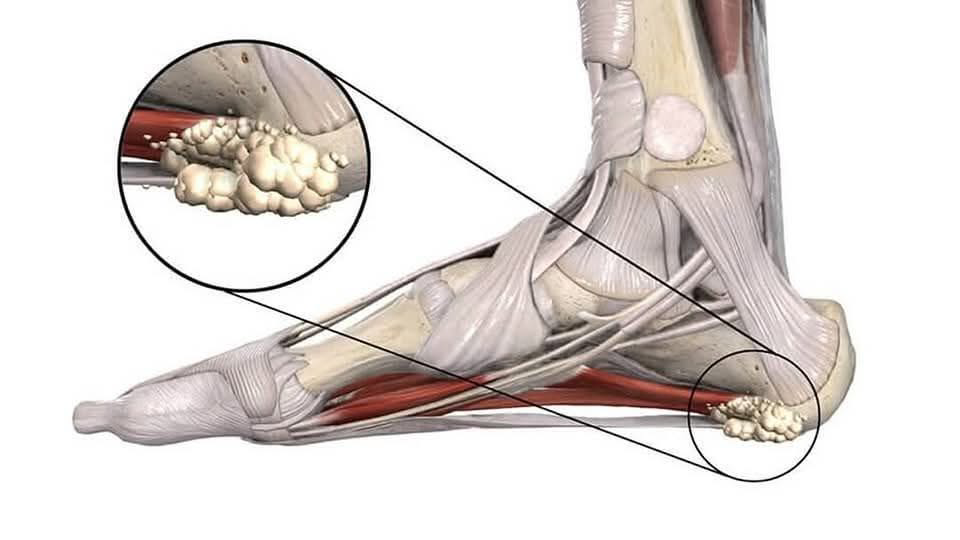
A heel spur is a bony growth that may develop around the area where the plantar fascia attaches to the heel bone.
However, the presence of a heel spur does not necessarily mean that it is the direct cause of pain. Some people may have a heel spur without experiencing any symptoms. In many cases, pain may instead be associated with irritation or changes affecting the plantar fascia and surrounding tissues.
For this reason, treatment may focus on identifying and addressing the actual source of pain, inflammation, tissue irritation, or nerve-related pain rather than simply targeting the bony growth.
What Is Plantar Fasciitis?
The plantar fascia is a strong fibrous tissue that runs along the bottom of the foot and connects the heel area to other parts of the foot. It plays an important role in supporting the arch of the foot and absorbing part of the load during walking.
When the plantar fascia is exposed to repeated stress or excessive loading, painful changes may develop in the tissue, resulting in what is commonly known as plantar fasciitis or plantar fascia-related heel pain.
Common symptoms include:
-
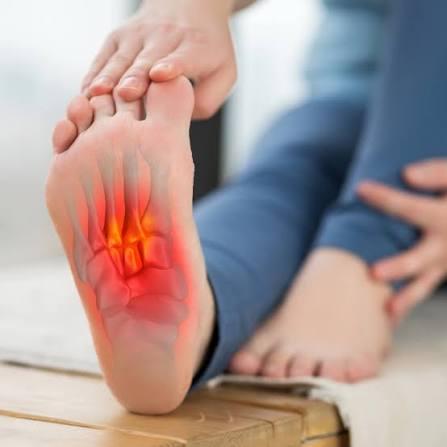
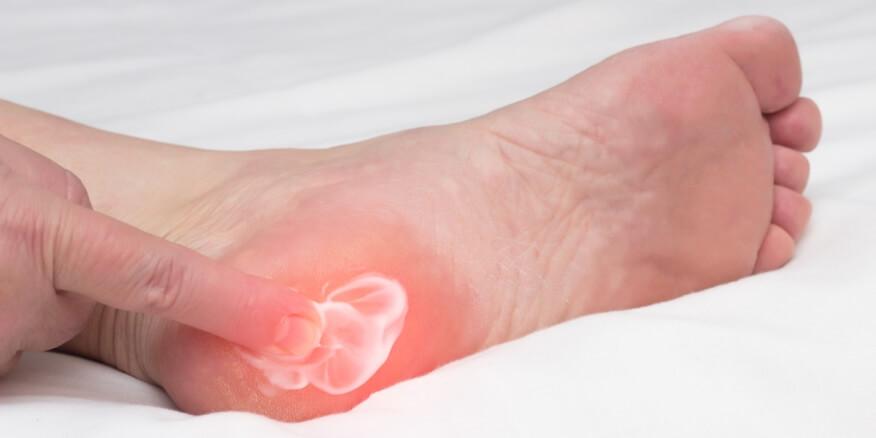
Pain underneath the heel.
-
Pain during the first few steps after waking up.
-
Increased pain after prolonged standing or walking.
-
Pain after sitting for a period of time and then starting to walk.
-
Persistent pain in chronic cases.
-
Difficulty performing certain daily or sports activities.
What Is the Relationship Between Heel Spurs and Plantar Fasciitis?
One of the most common misconceptions is that a heel spur is always the direct cause of heel pain. In reality, the relationship between the two can be more complex.
A heel spur may develop as a result of chronic stress around the attachment of the plantar fascia to the heel bone, while the actual source of pain in some patients may be the plantar fascia, surrounding tissues, or nerves responsible for transmitting pain signals.
Therefore, effective heel pain treatment does not necessarily focus only on removing the heel spur. Instead, it begins by identifying the actual cause of the patient's symptoms.
Collagen Injections Around the Plantar Fascia for Heel Pain
One of the techniques that may be considered in selected cases is collagen injection around the plantar fascia.
This treatment approach aims to support the tissues in the affected area and improve the surrounding tissue environment, particularly in some chronic cases that have not improved adequately with appropriate conservative treatment.
The injection site can be determined accurately according to the patient's condition and clinical assessment, with appropriate imaging guidance when necessary.
What Is the Goal of Collagen Injections?
Depending on the patient's condition, the treatment may aim to:
-
Support the tissues surrounding the affected area.
-
Improve the local tissue environment around the plantar fascia.
-
Help address chronic tissue changes.
-
Reduce pain in selected patients.
-
Support the recovery process as part of a comprehensive treatment plan.
Collagen injections are not necessarily suitable for every patient with heel pain. Therefore, the condition should be evaluated first to identify the cause of pain and determine whether this treatment is appropriate.
Nerve Freezing for Chronic Heel Pain
In some cases of chronic heel pain, nerves around the affected area may contribute to the persistence of pain.
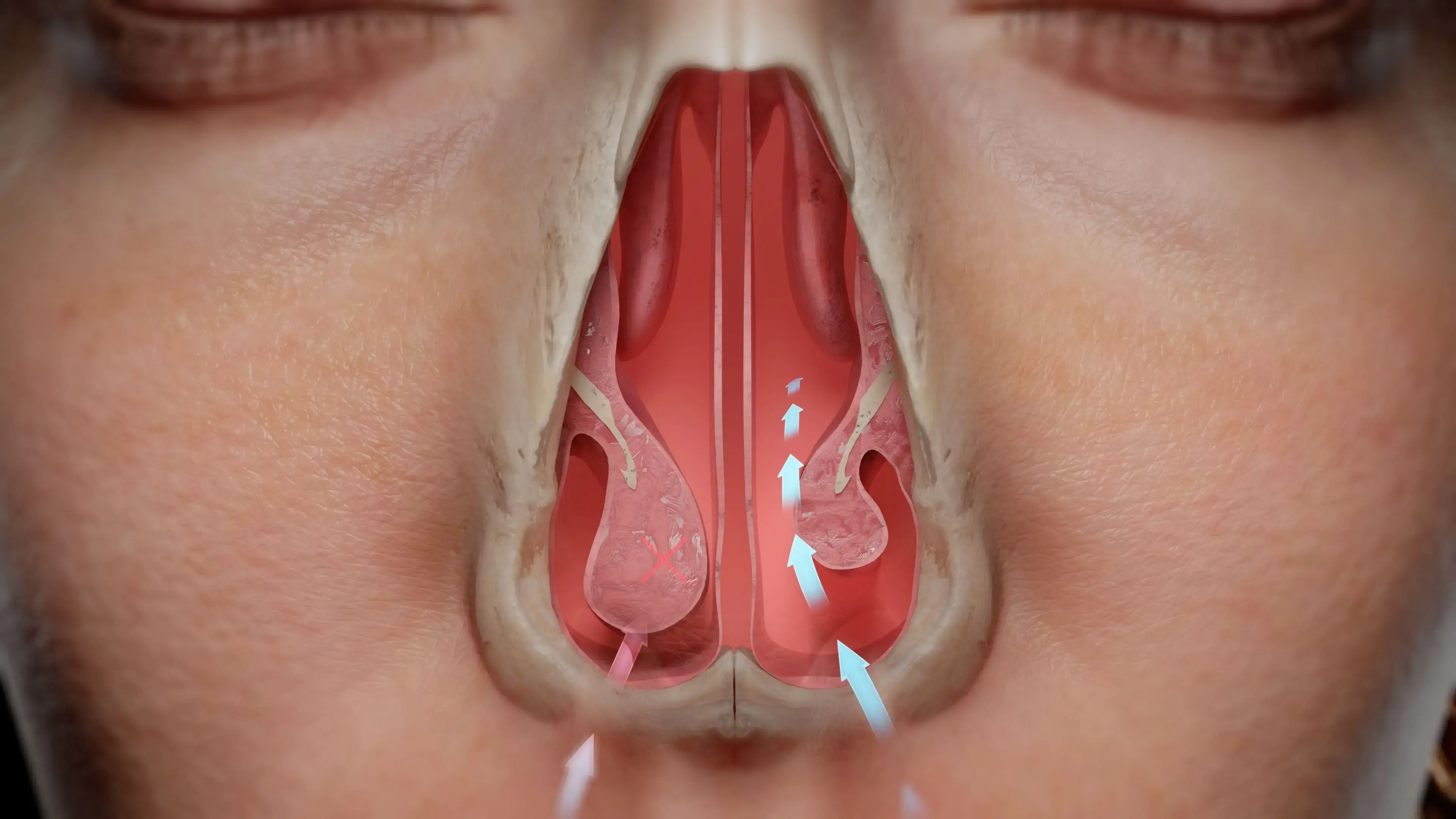
In such cases, nerve freezing or cryotherapy techniques (Cryotherapy/Cryoneurolysis) may be considered to target pain signals transmitted by specific nerves.
The technique involves applying controlled low temperatures to the targeted nerve, which may help reduce the transmission of pain signals from the treated area.
What Are the Potential Benefits of Nerve Freezing?
When appropriately selected, the procedure may help:
-
Reduce pain intensity.
-
Reduce nerve-related pain signals.
-
Improve mobility and physical activity.
-
Reduce the need for pain medications in some cases.
-
Provide a minimally invasive treatment option compared with surgery in suitable cases.
The suitability of nerve freezing depends on the clinical examination, the source of pain, and the specific nerves involved in the patient's condition.
Does Every Heel Spur Case Require Collagen Injections or Nerve Freezing?
No.
Having heel pain does not automatically mean that collagen injections or nerve freezing are required.
Some cases of heel pain may improve with conservative treatment, such as activity modification, stretching exercises, physical therapy, appropriate footwear, and other options selected according to the patient's condition.
For chronic cases or cases that do not respond adequately to appropriate conservative treatment, more specialized interventional techniques may be considered after a comprehensive medical evaluation.
The main goal is therefore to choose the treatment that addresses the actual cause of pain rather than applying the same procedure to every patient.
How Are Heel Spurs and Plantar Fasciitis Diagnosed?
Diagnosis usually begins with understanding the patient's symptoms, including the nature of the pain, when it occurs, and what makes it better or worse.
The evaluation may include:
Clinical Examination
The doctor examines the foot and heel, identifies the location of pain, assesses movement, and looks for associated symptoms.
Medical History
Understanding the duration of pain, daily activities, physical load on the foot, and previous injuries can help establish an accurate diagnosis.
Imaging and Additional Tests When Needed
Depending on the case, the doctor may recommend imaging or other diagnostic tests to rule out other causes of heel pain or evaluate the bones and soft tissues.
These steps help determine whether the pain is related to the plantar fascia, heel spur, nerves, or another underlying condition.
When May a Patient Need Advanced Treatment for Heel Pain?
Interventional treatment options may be considered in selected cases where the pain is:
-
Persistent for a long period.
-
Affecting walking and mobility.
-
Recurring despite appropriate conservative treatment.
-
Associated with chronic changes in the plantar fascia.
-
Associated with signs suggesting a nerve-related component.
-
Significantly affecting the patient's quality of life.
However, the final treatment decision is not based only on how long the patient has experienced pain. It depends on accurate diagnosis and a comprehensive assessment of the condition.
Non-Surgical Heel Spur Treatment in 6th of October
Many patients search for non-surgical heel spur treatment in 6th of October, especially when chronic heel pain affects their ability to walk and perform daily activities.
Interventional pain management includes a range of techniques that may be used according to the patient's condition, including selected injection procedures and techniques targeting pain-producing nerves.
The goal of this approach is to address the source of pain with the least necessary intervention when the patient is suitable for non-surgical treatment. However, not every patient is a candidate for non-surgical treatment, and some cases may require other treatment options.
Why Should the Cause of Heel Pain Be Treated Instead of the Heel Spur Alone?
The bony growth seen on an X-ray may simply be the result of chronic changes in the area and may not necessarily be the primary source of pain.
Focusing on the actual cause of pain allows the doctor to develop a more accurate and individualized treatment plan.
Heel pain may be related to:
-
The plantar fascia.
-
The tissues surrounding the heel.
-
Irritation of specific nerves.
-
Repeated stress on the foot.
-
Other conditions that require medical evaluation.
This is why accurate diagnosis is important before selecting a treatment for heel pain, heel spur, or plantar fasciitis.
Prof. Dr. Mohamed Yousry | Specialized Experience in Chronic Pain Management
Prof. Dr. Mohamed Yousry specializes in chronic pain management and the treatment of spinal, joint, and nerve pain using modern interventional techniques.
He is a Professor of Chronic Pain Management at Kasr Al Ainy Faculty of Medicine, Cairo University, with extensive academic and clinical experience in managing different chronic pain conditions.
Patient assessment focuses on identifying the actual source of pain and then selecting the most appropriate treatment technique according to the diagnosis.
🎓 Qualifications and Experience
Professor of Chronic Pain Management
Kasr Al Ainy Faculty of Medicine – Cairo University.
Academic and Clinical Experience
Experience in diagnosing and treating chronic pain, spinal pain, joint pain, and nerve-related pain.
Modern Interventional Treatment Techniques
Use of a range of modern interventional techniques according to the patient's condition and treatment needs.
Chronic Pain Follow-Up
Providing individualized treatment plans and monitoring the patient's progress following treatment.
Pain Management Techniques Offered by Prof. Dr. Mohamed Yousry
In addition to treating selected cases of heel pain, interventional pain management techniques may include:
⚡ Radiofrequency Nerve Treatment
A technique that targets specific nerves to help reduce pain signals in selected cases.
❄️ Nerve Freezing
Using controlled low temperatures on a targeted nerve to help manage pain signals.
💉 Interventional Injections
Different injection techniques may be used depending on the diagnosis and targeted area.
🧬 Growth Factor Injections
Selected injection techniques may be used to support tissue repair processes according to the patient's condition.
💧 Nerve Mobilization Techniques
Certain procedures may be used to address adhesions or problems surrounding nerves in suitable cases.
The appropriate technique is determined after examining the patient and identifying the actual cause of pain.
Why Do Patients Choose Prof. Dr. Mohamed Yousry for Pain Management?
🎓 Strong Academic Experience
Professor of Chronic Pain Management at Kasr Al Ainy Faculty of Medicine – Cairo University.
🧠 Accurate Diagnosis
Comprehensive evaluation to identify the source of pain before selecting the appropriate treatment technique.
⚡ Modern Interventional Techniques
Using modern pain management techniques when they are appropriate for the patient's condition.
🩺 Individualized Treatment Plan
There is no single treatment suitable for every patient, so the treatment approach is selected according to each individual case.
🌍 Online Consultations
Online consultation and follow-up may be available for patients inside and outside Egypt, depending on the case.
When Should You See a Doctor for Heel Pain?
Persistent heel pain should not be ignored, especially when it begins to interfere with walking, mobility, or daily activities.
A medical evaluation is recommended when there is:
-
Persistent or recurrent heel pain.
-
Severe pain during the first steps in the morning.
-
Difficulty walking for long distances.
-
Pain that does not improve with conservative treatment.
-
Pain accompanied by numbness or nerve-related symptoms.
-
Recurring or chronic symptoms.
Early medical evaluation can help identify the cause and determine an appropriate treatment plan before the pain has a greater impact on mobility and quality of life.
Does a Heel Spur Mean That Surgery Is Necessary?
Not necessarily.
Many cases of heel pain can be managed with non-surgical or interventional treatment options depending on the diagnosis.
However, some cases may require other interventions if symptoms do not respond to appropriate treatments or if another underlying condition requires a different approach.
Therefore, the decision to undergo surgery or avoid it should not be based solely on the presence of a heel spur on an X-ray. A specialized medical evaluation is essential.
The Goal of Heel Pain Treatment Is to Reduce Pain and Restore Mobility
The goal of treating heel spurs, heel pain, and plantar fasciitis is not simply to address what appears on an X-ray. The primary goal is to identify the actual source of pain and improve the patient's ability to move and return to daily activities.
In suitable cases, interventional techniques such as collagen injections around the plantar fascia and nerve freezing may be part of a comprehensive treatment plan determined by the doctor after a thorough medical evaluation.
📞 Book Your Consultation with Prof. Dr. Mohamed Yousry in 6th of October
If you are suffering from chronic heel pain, heel spurs, heel pain, or plantar fasciitis, you can contact the clinic for a medical evaluation and to learn about the treatment options that may be suitable for your condition.
📞 For bookings in Egypt: 15626
💬 WhatsApp: Contact Us Directly
🌍 Online Consultation: Book Your Consultation
📞 For calls from outside Egypt: +20248810900
📍 Address: Al Mehwar Hospital – 6th of October – Giza
Prof. Dr. Mohamed Yousry
Professor of Chronic Pain Management and Non-Surgical Spine and Joint Treatment
Specialized in the evaluation and treatment of chronic pain using modern interventional techniques, with the treatment approach selected according to each patient's diagnosis and medical evaluation.
Do not ignore persistent heel pain. Identifying the actual cause of pain is the first step toward choosing the most appropriate treatment.
```