
Hemorrhoids: Symptoms, Diagnosis, and Treatment Options
Hemorrhoids are one of the most common conditions affecting both men and women, especially after the age of 30. Despite their prevalence, many people avoid seeking treatment due to embarrassment, which often leads to worsening symptoms.
In this article, we provide a complete guide on hemorrhoid symptoms, causes, diagnosis, and the latest treatment options such as laser therapy.
What Are Hemorrhoids?
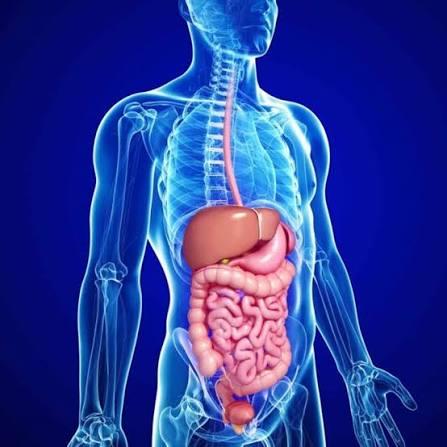
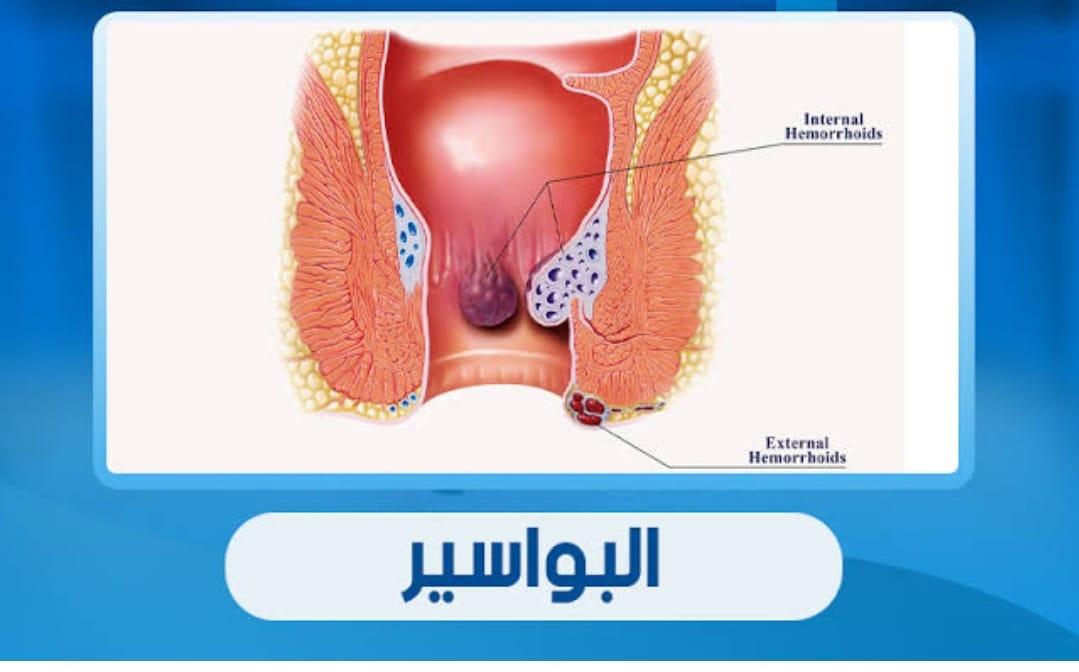
Hemorrhoids are swollen and enlarged blood vessels in the rectal and anal area. They naturally help in controlling bowel movements, but when they become enlarged, they lead to discomfort and symptoms.
Types of Hemorrhoids
Internal hemorrhoids: Located inside the rectum, usually painless but may cause bleeding.
External hemorrhoids: Found around the anal opening and can be painful, especially when sitting.
Causes of Hemorrhoids
Hemorrhoids occur due to increased pressure on veins in the anal region. The most common causes include:
Chronic constipation
Straining during bowel movements
Sitting for long periods, especially on the toilet
Pregnancy and hormonal changes
Aging
Genetic factors
Symptoms of Hemorrhoids
Symptoms vary depending on severity and type, including:
Bleeding during or after bowel movements
Itching and irritation in the anal area
Pain and discomfort, especially while sitting
Swelling around the anus
Protruding mass (prolapsed hemorrhoids)
Discharge or difficulty controlling bowel movements
Hemorrhoids During Pregnancy
Many women develop hemorrhoids during pregnancy, especially in the last trimester, due to:
Pressure from the uterus on pelvic veins
Reduced blood circulation in the pelvic area
Increased risk of constipation
In most cases, the condition improves after delivery with simple treatments.
Diagnosis of Hemorrhoids
It is important not to assume that all symptoms are caused by hemorrhoids, as other conditions may include:
Anal fissures
Anal fistulas
Colon or rectal inflammation
Diagnosis is usually based on:
Clinical examination
Sometimes anoscopy (anal endoscopy)
Treatment of Hemorrhoids
First: Conservative Treatment
Used in mild cases and includes:
Eating a high-fiber diet
Drinking plenty of fluids
Using topical creams and suppositories
Regulating bowel habits
Second: Non-Surgical Treatment
If symptoms do not improve, the following may be used:
Rubber band ligation
Infrared coagulation
Laser therapy
Sclerotherapy injections
Third: Surgical Treatment
In advanced cases, surgery may be required. Modern techniques include:
Hemorrhoidectomy (surgical removal)
PPH stapled hemorrhoidopexy (stapling technique)
These procedures offer:
Less pain
Effective results
Short recovery period
Laser Hemorrhoid Treatment
Laser treatment for hemorrhoids is one of the most advanced and effective methods, offering:
Quick procedure lasting minutes
Significant pain reduction
Less bleeding
Fast return to normal activities
No long recovery period required
Prevention of Hemorrhoids
To reduce the risk of developing hemorrhoids:
Avoid constipation
Eat fiber-rich foods
Drink plenty of water
Avoid sitting for long periods on the toilet
Exercise regularly
Maintain proper anal hygiene
When Should You See a Doctor?
Consult a doctor if you experience:
Frequent or severe bleeding
Severe pain
No improvement with treatment
Recurrent hemorrhoids
👨⚕️ Dr. Ahmed Abdel Salam Abdel Qader Ibrahim
Consultant of General Surgery, Oncology, Endoscopy & Glands
Laser Anal Surgery Specialist
Dr. Ahmed Abdel Salam Abdel Qader Ibrahim
Colonel Doctor – Consultant of General Surgery, Endoscopy & Oncology (Armed Forces)
Fellow of the Royal College of Surgeons – Glasgow, UK 🇬🇧
PhD in General Surgery – Kasr Al Ainy, Cairo University
Master’s in General Surgery – Ain Shams University
🏥 Clinic Locations
📍 Nasr City
Hasabo International Hospital Clinic: 6 Ahmed Fakhry St., Nasr City, Cairo
Sayam Hospital Clinic: 46 Al-Fareq Ali Amer St., off Makram Ebeid, Nasr City
Tawfiqia Specialized Hospital Clinic: 1 Ahmed Qassem Gouda St., off Abbas El Akkad, Nasr City
📍 Mohandessin
Al Marwa Hospital Clinic: 3 Sudan St., near Bohouth Metro Station
Al Amal Hospital Clinic: 25 Fawzi Ben Ramah St., off Shehab St.
Al Waha Hospital: 11 Ali El-Sayed St., off Ahmed Orabi St.
📍 Dokki
Technoclinic: Intersection of Mohy El Din Abu El Ezz, Gate 5, 25 Makka St., Shooting Club
Al Kawkab Hospital: 12 Dr. El Solouli St., Mesaha Square
📍 Heliopolis
Al Merghany Hospital: 19 Mohamed Abu El Leil St., Ard El Golf
Roxy Hospital: 25 Khalifa El Maamoun St.
📍 Downtown Cairo
Technoclinic: 183 Tahrir St., Bab El Louk
Abu Taqia Clinics: 145 Mohamed Farid St.
📍 Other Branches
Includes Hadayek El Qobba, Imbaba, Assiut, Abutig and more
📞 Contact
01112294010
🚨 Emergency
01003792255
https://wa.me/messageFLJT3BM5XRV6C1
Conclusion
Hemorrhoids are a common but treatable condition. With modern techniques such as laser treatment, recovery has become faster and more comfortable. Early diagnosis and proper treatment help prevent complications and improve quality of life.