
Hidden Abdominal Signs That May Reveal Digestive Disorders Early – Do Not Ignore Them
Introduction
Many people experience mild abdominal symptoms such as bloating or discomfort after eating, and these signs are often ignored as temporary issues. However, in some cases, these symptoms may be early indicators of digestive system disorders that require attention.
The real concern is that some diseases begin with very subtle symptoms before developing into more serious conditions. Understanding these early warning signs plays a key role in prevention and timely treatment.
First: Why Do Digestive Symptoms Appear Mild at the Beginning?
The digestive system is highly sensitive, so its disorders often develop gradually rather than suddenly.
At first, symptoms may be mild, such as bloating or gas, but over time they can progress into pain or chronic digestive issues.
Second: Hidden Signs You Should Not Ignore
1. Persistent Bloating After Eating
Bloating may seem harmless, but if it occurs daily, it could indicate conditions such as irritable bowel syndrome or poor digestion.
2. Changes in Bowel Movements
Frequent diarrhea or constipation are key signs of digestive system imbalance.
3. Feeling Full Quickly
Getting full after eating small amounts of food may be linked to stomach problems or slow digestion.
4. Recurrent Heartburn
This may be a sign of acid reflux, especially if it occurs after meals or during sleep.
5. Persistent Nausea or Discomfort
These symptoms may be associated with stomach inflammation or digestive disturbances.
Third: When Do Symptoms Become a Warning Sign?
Certain symptoms should never be ignored, as they may indicate serious conditions:
Unexplained weight loss
Blood in the stool
Severe and persistent abdominal pain
Frequent vomiting or difficulty swallowing
Severe bloating that does not go away
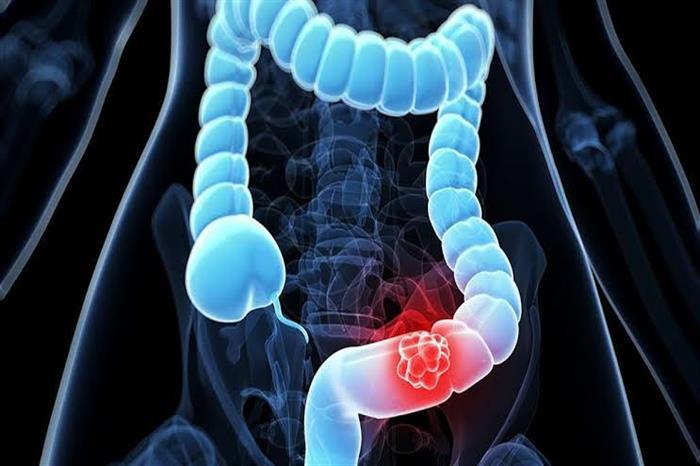
These symptoms may point to more serious conditions such as chronic inflammation or even digestive system tumors.
Fourth: The Relationship Between Lifestyle and Digestive Problems
Many digestive disorders are closely linked to daily habits, such as:
Eating fatty foods
Excessive consumption of carbonated drinks
Stress and psychological pressure
Low water intake
Stress, in particular, can significantly worsen symptoms like bloating and irritable bowel syndrome.
Fifth: How Are Digestive Problems Diagnosed?
Doctors rely on several diagnostic methods to identify the cause, including:
Blood tests
Stool analysis
Endoscopy (stomach or colon)
Diagnostic imaging
These tests help determine the exact cause and guide appropriate treatment.
Sixth: Simple Steps to Protect Your Digestive System
Eat small, balanced meals
Reduce gas-producing foods
Drink plenty of water
Exercise regularly
Manage stress effectively
It is also recommended to divide meals and reduce portion sizes to minimize bloating and improve digestion.
Conclusion
Mild digestive symptoms may seem temporary, but in some cases, they are early warning signs of more serious health issues. Paying attention to these signals and not ignoring them is the first step toward prevention and early treatment.