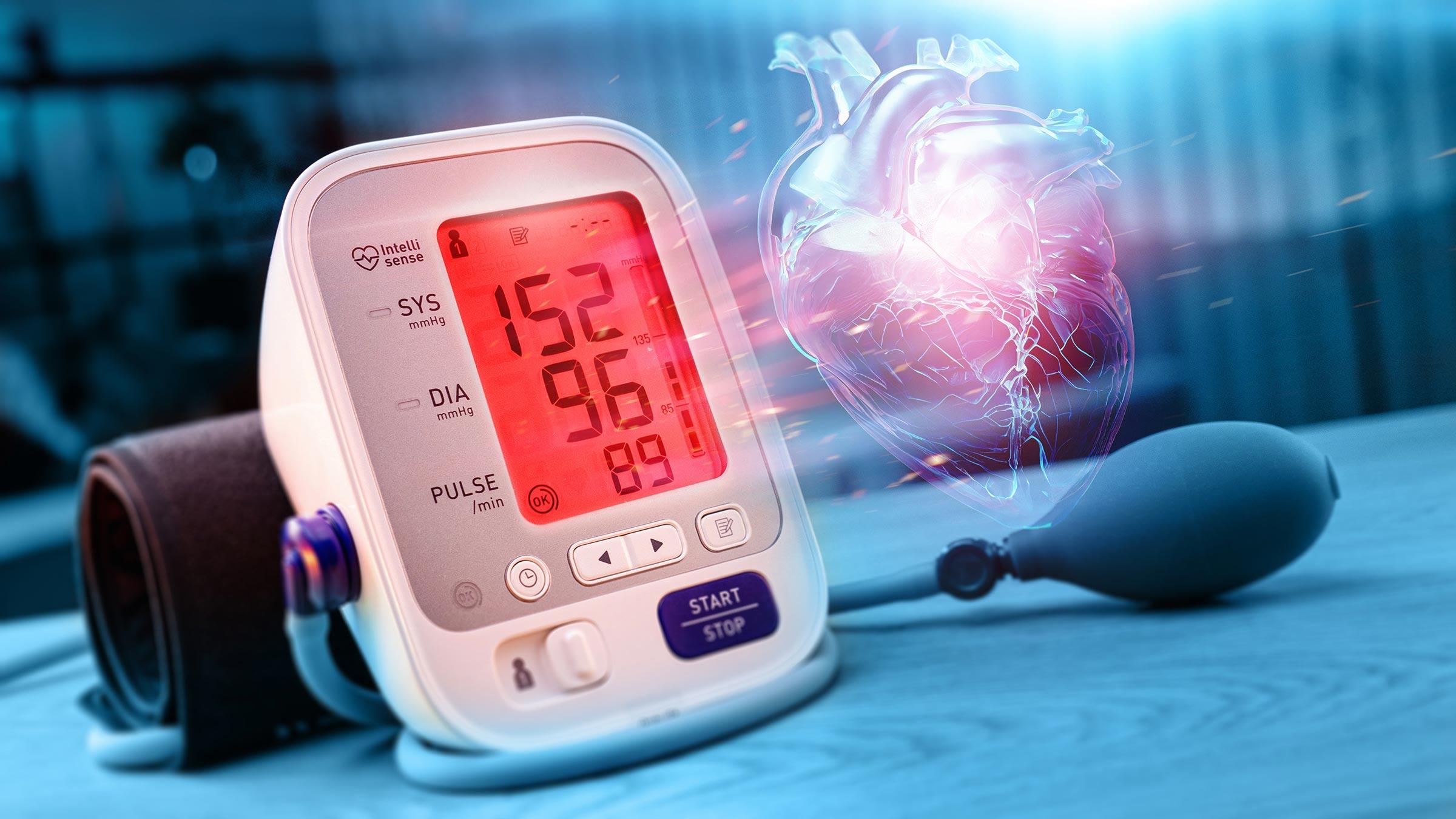

High Blood Pressure: Causes, Symptoms, and Effective Treatment Methods
High blood pressure is one of the most common health conditions worldwide. It is often called the “silent killer” because it may not show clear symptoms in its early stages, yet it can lead to serious complications if left untreated.
In this simple medical guide, you will learn about the causes of high blood pressure, treatment options, and the best ways to control it to protect your heart and overall health.
What Is High Blood Pressure?
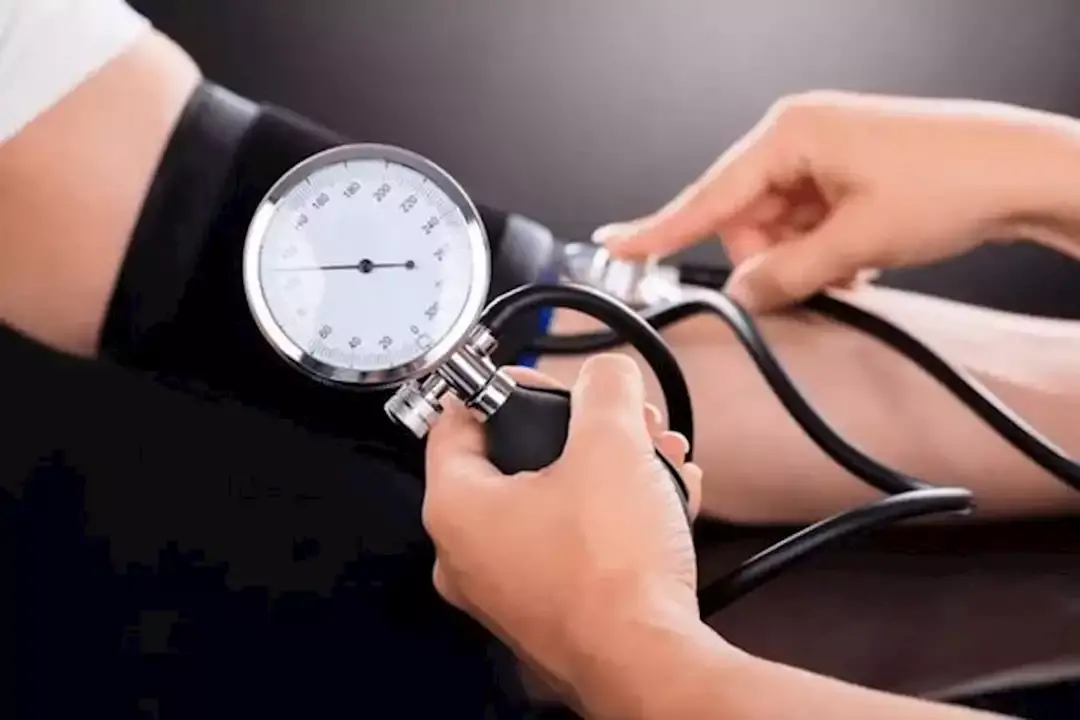
Blood pressure is the force of blood pushing against the walls of the arteries. When this pressure remains consistently high, it is known as high blood pressure.
📌 Blood pressure readings include:
Systolic pressure (top number)
Diastolic pressure (bottom number)
👉 Normal levels are usually below 120/80.
Why Is High Blood Pressure Dangerous?
The danger of high blood pressure lies in the fact that it may not cause noticeable symptoms, but over time it can lead to:
Heart disease
Stroke
Kidney damage
Vision problems
Damage to blood vessels
👉 Early detection is very important.
Causes of High Blood Pressure
The causes of high blood pressure vary from person to person and are generally divided into lifestyle and medical factors.
1. Lifestyle-Related Causes
Excessive salt intake
Lack of physical activity
Obesity
Smoking
Chronic stress
👉 These factors can often be controlled.
2. Medical Causes
Kidney diseases
Thyroid disorders
Diabetes
Blood vessel problems
3. Genetic Factors
If there is a family history of high blood pressure, the risk of developing it increases.
Symptoms of High Blood Pressure
In many cases, there are no clear symptoms, but some people may experience:
Persistent headaches
Dizziness
Blurred vision
Heart palpitations
Shortness of breath
⚠️ These symptoms are not always present.
When Is High Blood Pressure Dangerous?
High blood pressure becomes dangerous when:
It remains untreated for a long time
It reaches very high levels
It causes severe symptoms like chest pain or fainting
👉 Immediate medical attention is required.
Diagnosis of High Blood Pressure
Diagnosis is done through:
Measuring blood pressure multiple times
Monitoring readings over several days
Conducting tests to determine the cause
📌 Home monitoring may also be recommended.
Treatment of High Blood Pressure
Treatment depends on the severity and includes:
1. Lifestyle Changes (Most Important)
Reducing salt intake
Regular exercise
Weight loss
Quitting smoking
Managing stress
👉 Sometimes these changes alone are enough.
2. Medications
Your doctor may prescribe:
Diuretics
Vasodilators
Heart rate control medications
📌 Always follow your doctor’s instructions.
Best Diet for High Blood Pressure
A healthy diet plays a key role in controlling blood pressure:
Recommended:
Fruits and vegetables
Low-sodium foods
Whole grains
Adequate water intake
Limit:
Fast food
Saturated fats
Soft drinks
Excess caffeine
Natural Ways to Lower Blood Pressure
In addition to medical treatment:
Daily walking
Stress reduction
Good sleep
Reducing caffeine
👉 These methods support treatment but do not replace it.
Complications of High Blood Pressure
If left untreated, it may lead to:
Heart attacks
Stroke
Kidney failure
Vision loss
Blood vessel damage
Prevention of High Blood Pressure
You can reduce your risk by:
Maintaining a healthy weight
Exercising regularly
Eating a balanced diet
Reducing salt intake
Regular health checkups
When Should You See a Doctor?
You should consult a doctor if:
You notice frequent high readings
You experience symptoms like headache or dizziness
You have a family history
You suffer from chronic diseases
👉 Early monitoring reduces complications.
❓ Frequently Asked Questions (FAQ)
Can high blood pressure be cured?
It can often be controlled, but it usually requires long-term management.
Does high blood pressure always cause symptoms?
No, many people have no symptoms.
What is the fastest way to lower blood pressure?
Rest and stress reduction may help, but proper treatment requires medical supervision.
Does diet affect blood pressure?
Yes, diet is one of the most important factors in controlling blood pressure.
🧾 Conclusion
High blood pressure is a condition that requires awareness and continuous monitoring. It may not show symptoms, but it can cause serious complications over time.
👉 A healthy lifestyle and regular medical follow-up are the key to controlling blood pressure and protecting your heart.