
High-Risk Pregnancy Follow-Up in Mokattam | Specialized Care with Dr. Mona Mohamed Nassar
Pregnancy is one of the most beautiful stages in a woman's life. However, in some cases, it requires special attention and close monitoring due to health conditions that may affect the mother or the baby. This is where the concept of high-risk pregnancy becomes important.
Thanks to the remarkable advances in obstetrics and gynecology, the chances of successful pregnancy and safe delivery have become significantly higher, even in complicated cases, provided that early diagnosis and regular follow-up with an experienced specialist are ensured.
Through her extensive experience in obstetrics and gynecology, Dr. Mona Mohamed Nassar provides specialized care for women experiencing high-risk pregnancy in Mokattam, relying on the latest medical protocols and advanced diagnostic methods to protect maternal health and support healthy fetal development.
A high-risk pregnancy in Mokattam refers to a pregnancy in which the mother or fetus has a higher chance of developing complications during pregnancy or childbirth. Such cases require regular examinations and close monitoring by an experienced obstetrician specialized in managing high-risk pregnancies to minimize risks and achieve the best outcomes for both mother and baby.
What is High-Risk Pregnancy?
High-risk pregnancy is a pregnancy in which there is an increased possibility of complications affecting the mother, the fetus, or both, compared to a normal pregnancy.
This may result from pre-existing medical conditions before pregnancy or complications that develop during pregnancy itself.
Although the term "high-risk pregnancy" may sound concerning, it does not necessarily mean danger or pregnancy loss. Instead, it simply indicates the need for closer medical monitoring and specialized care.
In fact, thousands of women successfully complete their pregnancies and deliver healthy babies every year thanks to early detection and adherence to an appropriate treatment plan.
Difference Between Normal Pregnancy and High-Risk Pregnancy
One of the most common questions women ask after hearing the term high-risk pregnancy is: what is the difference between a normal pregnancy and a high-risk pregnancy?
Normal Pregnancy
During a normal pregnancy, the mother is generally healthy and does not suffer from chronic diseases or risk factors that may affect pregnancy outcomes. Routine prenatal visits and standard examinations are usually sufficient.
High-Risk Pregnancy
In contrast, high-risk pregnancy involves factors that require closer monitoring and more frequent medical assessments, including:
- High blood pressure.
- Diabetes.
- Twin or multiple pregnancy.
- Advanced maternal age.
- Heart disease or kidney disease.
- History of preterm delivery.
- Recurrent miscarriages.
- Placental abnormalities.
Continuous monitoring becomes a key factor in ensuring pregnancy success and reducing potential complications.
When is a Pregnancy Classified as High-Risk?
The doctor evaluates the mother's medical history, clinical examination, and diagnostic investigations to determine whether the pregnancy should be classified as high-risk.
A pregnancy may be considered high-risk if one or more of the following factors are present:
- Pre-existing chronic medical conditions.
- Complications that develop during pregnancy.
- A history of pregnancy-related complications.
- Fetal growth abnormalities.
- Placental problems or amniotic fluid disorders.
The degree of risk varies from one patient to another. Therefore, a personalized follow-up plan is developed according to each mother's medical condition and healthcare needs.
Causes of High-Risk Pregnancy
Several factors may lead to a pregnancy being classified as high-risk, including:
High Blood Pressure During Pregnancy
High blood pressure is one of the most common causes of high-risk pregnancy and may lead to serious complications such as:
- Preeclampsia.
- Reduced blood flow to the placenta.
- Fetal growth restriction.
- Preterm birth.
- Placental abruption.
Therefore, regular blood pressure monitoring throughout pregnancy is essential.
Gestational Diabetes
Gestational diabetes occurs when blood sugar levels rise during pregnancy and may lead to:
- Large fetal size.
- Difficulty with vaginal delivery.
- Increased likelihood of cesarean delivery.
- Low blood sugar levels in the newborn after birth.
- Higher risk of premature delivery.
Proper blood sugar control is one of the most important factors for a successful pregnancy outcome.
Pregnancy Before the Age of 18
Pregnancy at a very young age may increase the risk of several health complications, including:
- Anemia.
- Preterm birth.
- Low birth weight.
Pregnancy After the Age of 35
As maternal age increases, the likelihood of certain pregnancy-related complications also increases, such as:
- High blood pressure.
- Gestational diabetes.
- Cesarean delivery.
- Chromosomal abnormalities in the fetus.
Nevertheless, regular prenatal care significantly reduces these risks and improves pregnancy outcomes.


Pregnancy After the Age of 40
In recent years, pregnancies after the age of 40 have become increasingly common due to advances in assisted reproductive technologies and delayed childbearing.
Although successful pregnancies are still possible, women in this age group require closer monitoring because of the increased risk of:
- High blood pressure.
- Gestational diabetes.
- Preterm birth.
- Placental insufficiency.
- Cesarean delivery.
Twin or Multiple Pregnancy
Multiple pregnancies require more intensive follow-up due to the higher risk of:
- Premature birth.
- Anemia.
- High blood pressure.
- Preeclampsia.
- Growth restriction in one of the fetuses.
For this reason, women carrying twins or multiples usually require more frequent prenatal visits than those with singleton pregnancies.
Heart Disease
Pre-existing heart conditions may place additional strain on the cardiovascular system during pregnancy due to the natural physiological changes that occur in the body.
The degree of risk depends on the type and severity of the cardiac condition as well as the mother's overall health status.
Kidney Disease
The kidneys play a critical role during pregnancy. Chronic kidney disease may affect:
- Blood pressure regulation.
- Fetal growth and development.
- Placental function.
- Amniotic fluid volume.
Thyroid Disorders
Both hyperthyroidism and hypothyroidism can affect fetal neurological development and maternal health during pregnancy, making regular monitoring essential.
Autoimmune Diseases
Women with autoimmune disorders require specialized prenatal care to minimize complications affecting either the mother or the fetus.
Obesity
Obesity significantly increases the risk of several pregnancy-related complications, including:
- Gestational diabetes.
- Hypertension.
- Cesarean section.
- Blood clots.
It may also reduce ultrasound image quality and make fetal growth assessment more challenging.
Severe Underweight and Malnutrition
Just as obesity increases pregnancy risks, severe underweight and poor nutrition may lead to:
- Fetal growth restriction.
- Low birth weight.
- Anemia.
- Preterm delivery.
Recurrent Miscarriages
Recurrent pregnancy loss refers to experiencing multiple miscarriages and may require:
- Hormonal investigations.
- Uterine evaluation.
- Immunological and genetic testing.
- Close monitoring from the earliest weeks of pregnancy.
Previous Preterm Birth
Women who previously delivered before 37 weeks of pregnancy have a higher risk of recurrence in future pregnancies and therefore require a specialized care plan.
Placental Disorders
Placental complications include:
- Placenta previa.
- Placenta accreta.
- Placental abruption.
- Reduced placental blood flow.
These conditions often require continuous monitoring throughout pregnancy.
Factors That Increase the Risk of High-Risk Pregnancy
Several factors do not directly cause high-risk pregnancy but increase the likelihood of complications, including:
- Smoking.
- Obesity.
- Poor nutrition.
- Uncontrolled hypertension.
- Poorly controlled diabetes.
- Frequent pregnancies with short intervals.
- Chronic psychological stress.
- Lack of physical activity.
- Genetic factors.
Recognizing these risk factors helps in prevention and reducing pregnancy-related complications.
Why is Early Diagnosis So Important?
The earlier risk factors are identified, the greater the opportunity to manage them effectively and minimize their impact on both mother and baby.
Early diagnosis helps healthcare providers to:
- Create an individualized follow-up plan.
- Reduce the likelihood of premature delivery.
- Monitor fetal growth accurately.
- Detect complications before they become severe.
- Determine the safest timing for delivery.
For this reason, women are encouraged to begin prenatal care as early as possible and not delay their first consultation.
The Importance of Choosing a Specialist in High-Risk Pregnancy
Managing high-risk pregnancies requires extensive experience and the ability to make rapid and accurate medical decisions when necessary.
The quality of care largely depends on several essential factors, including:
- Extensive clinical experience.
- Accurate risk assessment.
- Utilization of advanced diagnostic technologies.
- Continuous monitoring of both mother and fetus.
- Developing personalized treatment plans.
These factors represent the foundation of modern maternal healthcare and contribute significantly to improving pregnancy outcomes.
Warning Signs That Require Immediate Medical Attention
Women with high-risk pregnancies should seek immediate medical evaluation if any of the following symptoms occur:
Vaginal Bleeding During Pregnancy
Bleeding during pregnancy requires urgent medical assessment, especially if accompanied by abdominal pain or contractions, as it may indicate:
- Placental complications.
- Threatened miscarriage.
- Preterm labor.
- Placental abruption.
Severe Persistent Headache
A severe headache associated with blurred vision or elevated blood pressure may indicate preeclampsia and requires immediate medical attention.
Sudden Swelling of the Face and Hands
While mild swelling in the feet is common during pregnancy, sudden or severe swelling in the face and hands may signal hypertension or preeclampsia.
Reduced Fetal Movement
Fetal movement is an important indicator of fetal wellbeing. Any significant decrease in movement should be reported to the healthcare provider immediately.
Severe Shortness of Breath
Mild breathlessness may occur due to pressure from the growing uterus, but severe shortness of breath or chest pain requires urgent evaluation.
Fever During Pregnancy
Fever may indicate an infection requiring prompt treatment, particularly during the first trimester.
Persistent Severe Abdominal Pain
Severe abdominal pain may be associated with:
- Placental abruption.
- Preterm labor.
- Serious infections.
- Placental or uterine complications.


How is High-Risk Pregnancy Diagnosed in Mokattam?
Diagnosing a high-risk pregnancy depends on a comprehensive medical assessment that allows the doctor to evaluate risk factors and create an individualized follow-up plan.
First: Complete Medical History
The physician begins by collecting detailed information regarding:
- Chronic medical conditions.
- Previous surgeries.
- Number of previous pregnancies.
- History of miscarriages.
- Previous preterm births.
- Family history of genetic diseases.
Second: Clinical Examination
- Blood pressure measurement.
- Body weight and BMI assessment.
- Evaluation of swelling or edema.
- Monitoring uterine growth.
- Checking fetal heart rate.
Third: Laboratory Investigations
Complete Blood Count (CBC)
- Diagnosis of anemia.
- Detection of infections.
- Evaluation of platelet disorders.
Urinalysis
- Protein in urine.
- Urinary tract infections.
- Glucose in urine.
Blood Glucose Testing
Used for early detection of gestational diabetes or monitoring women with pre-existing diabetes.
Liver and Kidney Function Tests
Help assess organ function and identify complications early.
The Importance of Ultrasound in High-Risk Pregnancy Follow-Up
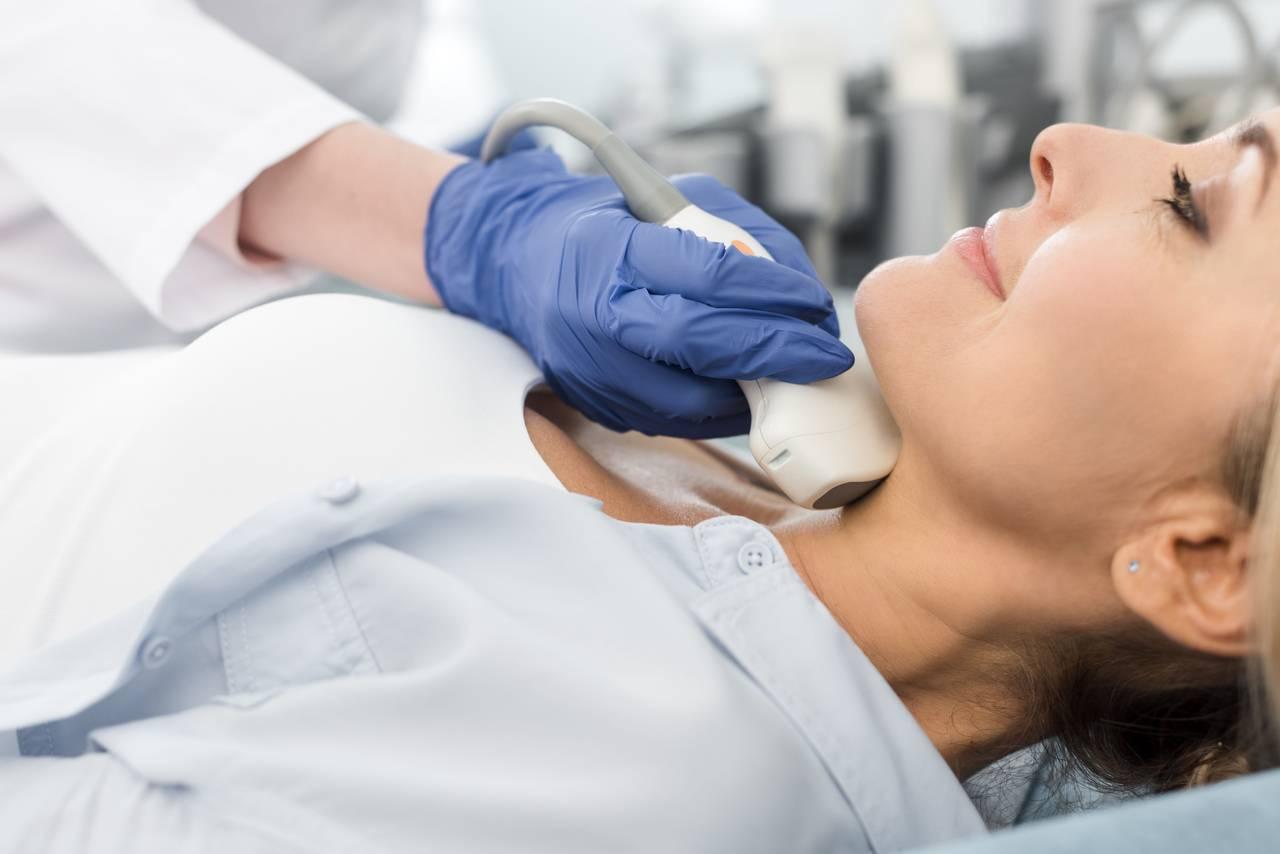
Ultrasound plays a crucial role in monitoring high-risk pregnancies and helps physicians make informed treatment decisions.
Monitoring Fetal Growth
- Estimating fetal weight.
- Assessing organ development.
- Monitoring monthly growth patterns.
- Detecting intrauterine growth restriction.
Evaluating Amniotic Fluid Volume
Both excessive and insufficient amniotic fluid may indicate underlying health concerns requiring close monitoring.
Assessing Placental Position
- Determining placental location.
- Diagnosing placenta previa.
- Monitoring placental blood flow.
Doppler Blood Flow Assessment
Doppler ultrasound helps evaluate oxygen and blood supply reaching the fetus.
Routine Investigations Required in High-Risk Pregnancy
During the First Trimester
- Complete blood count.
- Blood group testing.
- Blood sugar evaluation.
- Thyroid function tests when indicated.
- Early pregnancy ultrasound.
During the Second Trimester
- Monitoring fetal growth.
- Gestational diabetes screening.
- Regular blood pressure checks.
- Maternal and fetal weight monitoring.
During the Third Trimester
- Assessment of fetal position.
- Monitoring amniotic fluid volume.
- Tracking fetal movements.
- Planning the safest delivery method and timing.
How Are High-Risk Pregnancies Managed?
The management plan depends on the underlying cause that classified the pregnancy as high-risk.
Treatment aims to:
- Protect maternal health.
- Ensure healthy fetal growth.
- Reduce the risk of premature birth.
- Prevent serious complications.
- Determine the safest delivery timing.
Each patient receives an individualized care plan rather than a generalized treatment protocol.
Medical Follow-Up Plan for High-Risk Pregnancy
Regular Blood Pressure Monitoring
Blood pressure is closely monitored in women with:
- Chronic hypertension.
- Preeclampsia.
- Kidney disease.
- Obesity.
Blood Sugar Monitoring
Regular glucose monitoring significantly improves outcomes in women with gestational diabetes.
Monitoring Maternal Weight
Excessive weight gain or severe weight loss may indicate complications requiring medical attention.
Monitoring Fetal Growth
- Estimated fetal weight.
- Head and abdominal circumference.
- Growth rate assessment.
- Amniotic fluid volume evaluation.
Monitoring Fetal Movements
Changes in fetal movement patterns should be reported immediately to the treating physician.
When is Hospital Admission Necessary?
Some high-risk pregnancies may require temporary hospitalization for intensive monitoring or treatment.
- Severe hypertension.
- Preeclampsia.
- Bleeding during pregnancy.
- Preterm labor.
- Reduced fetal movement.
- Placental abruption.
- Abnormal fetal heart rate.
Vaginal Delivery or Cesarean Section?
Not all high-risk pregnancies require cesarean delivery. Many women can safely deliver vaginally if medical conditions permit.
The decision depends on:
- Gestational age.
- Fetal position.
- Placental condition.
- Maternal health stability.
- Presence or absence of complications.
Situations That May Require Cesarean Delivery
- Placenta previa.
- Fetal distress.
- Certain twin pregnancies.
- Severe preeclampsia.
- Placental abruption.
- Specific maternal cardiac conditions.
Why Choose Dr. Mona Mohamed Nassar for High-Risk Pregnancy Follow-Up in Mokattam?
- Extensive experience in obstetrics and gynecology.
- Personalized care plans for every patient.
- Application of the latest international medical guidelines.
- Comprehensive emotional and medical support throughout pregnancy.
- Advanced monitoring techniques for mother and baby.
Contact Dr. Mona Mohamed Nassar 📞📍
Clinic Address
5 Al Nafoura Square, Mokattam, Cairo, Egypt.
Appointments & Inquiries
📞 01113143296
📞 01006950327
Working Hours
Flexible appointments with prior booking to minimize waiting times and ensure premium healthcare services.
Frequently Asked Questions About High-Risk Pregnancy
Does high-risk pregnancy mean pregnancy loss?
No. Many women with high-risk pregnancies deliver healthy babies with proper medical care and monitoring.
Can women with high-risk pregnancies continue their normal lifestyle?
This depends on the specific medical condition and the physician's recommendations.
Do all high-risk pregnancies require bed rest?
No. Some women can maintain normal activities while others may require reduced activity depending on their condition.
When should high-risk pregnancy follow-up begin?
Ideally, monitoring should begin before conception or immediately after pregnancy confirmation.
Can stress affect pregnancy outcomes?
Yes. Excessive stress may worsen some medical conditions, so emotional support is highly recommended.
Is travel safe during high-risk pregnancy?
This depends on gestational age and medical condition and should always be discussed with the physician.
Can exercise be performed during high-risk pregnancy?
Some women may safely perform light exercises, while others require activity restrictions.
Is normal delivery possible?
Yes, provided there are no medical contraindications.


Book Your Appointment Today
If you have high blood pressure, gestational diabetes, or experienced complications in a previous pregnancy, early follow-up with a specialist can make a significant difference in protecting both you and your baby.
Begin your journey toward a safer and healthier pregnancy with the expertise and compassionate care provided by Dr. Mona Mohamed Nassar, one of the trusted specialists in high-risk pregnancy follow-up in Mokattam.
A Message of Hope and Professional Care ❤️
Dr. Mona Mohamed Nassar is more than an obstetrician and gynecologist; she is a trusted partner supporting women throughout their healthcare journey with expertise, compassion, and dedication.
Her commitment goes beyond treatment to providing reassurance, confidence, and personalized care, helping mothers navigate pregnancy challenges safely and successfully.