
Hip Joint Pain Treatment Without Surgery in 6th of October with Collagen and Hyaluronic Acid Injections | Dr. Mohamed Yousry
Prof. Mohamed Yousry – Professor of Chronic Pain Management and Non-Surgical Spine, Cartilage and Joint Treatment
📞 For appointments and inquiries: 15626
💬 International WhatsApp: 01050049729
🌍 Online consultations available from Egypt and worldwide
📍 Al Mehwar Hospital – 6th of October – Giza
Hip Joint Pain Treatment Without Surgery in 6th of October
Many patients are looking for hip joint pain treatment without surgery in 6th of October, especially when hip pain becomes worse while walking, climbing stairs, sitting for long periods, or sleeping on the affected side. Hip osteoarthritis is one of the most common causes of hip pain. As the cartilage gradually wears down, friction inside the joint may increase, leading to persistent pain, stiffness, and difficulty moving.
Prof. Mohamed Yousry, Professor of Chronic Pain Management and Non-Surgical Spine, Cartilage and Joint Treatment, provides specialized assessment for patients suffering from hip joint pain and osteoarthritis. Depending on the individual case, modern minimally invasive treatment options may include hyaluronic acid injections, collagen injections, tissue-supporting treatments, and targeted nerve pain procedures.
The goal of treatment is to reduce hip joint pain, improve mobility, support better walking, sitting, and sleeping, and potentially delay surgery when the patient's condition is suitable for non-surgical treatment.
Who Is Prof. Mohamed Yousry?
Prof. Mohamed Yousry is a Professor of Chronic Pain Management at Kasr Al Ainy Faculty of Medicine, Cairo University, specializing in the management of chronic pain, spine, cartilage, joint, and nerve-related conditions using modern minimally invasive techniques.
Prof. Mohamed Yousry has extensive academic and clinical experience in managing patients with chronic pain, including joint pain, cartilage problems, spinal conditions, and peripheral nerve pain.
The assessment focuses on accurately identifying the source of pain before selecting the appropriate treatment. Hip pain is not always caused by hip osteoarthritis. In some cases, it may be related to spinal problems, nerve irritation, or tissues surrounding the hip joint.
Academic and Medical Experience
-
Professor of Chronic Pain Management at Kasr Al Ainy Faculty of Medicine, Cairo University.
-
More than 20 years of experience in pain management.
-
Specialized management of joint, cartilage, spine, and nerve-related pain.
-
Use of modern minimally invasive treatment techniques when clinically appropriate.
-
Online medical consultations available.
What Causes Hip Joint Pain?
There are several possible causes of hip joint pain. Therefore, accurate diagnosis is an essential first step in choosing the appropriate treatment.
1. Hip Osteoarthritis 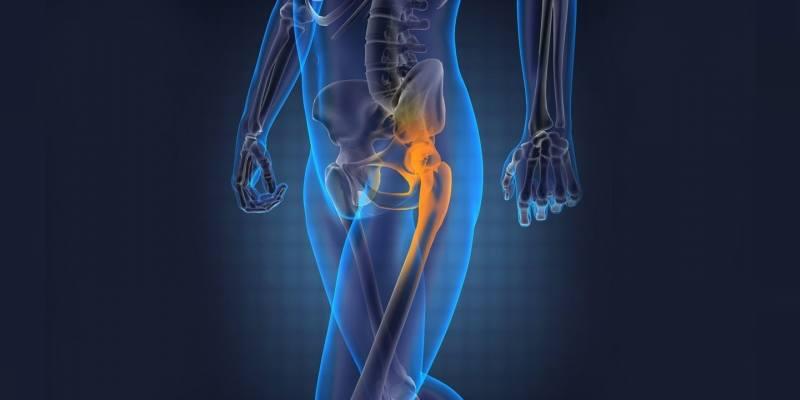
Hip osteoarthritis is one of the most common causes of hip pain. It occurs when the cartilage covering the surfaces of the joint gradually wears down, increasing friction and making movement more difficult.
Patients may experience pain in the hip, upper thigh, groin area, or sometimes even near the knee.
2. Joint Inflammation
Certain inflammatory conditions can cause pain, stiffness, and limited movement in the hip joint. A detailed medical evaluation may be required to determine the exact cause of inflammation.
3. Cartilage Problems
Cartilage damage or degeneration may result in recurring pain and difficulty performing everyday activities.
4. Nerve-Related Problems
Pain in the thigh or hip area may sometimes be related to nerve compression or irritation, particularly when the pain is accompanied by numbness, burning sensations, or pain extending down the leg.
5. Joint and Surrounding Tissue Injuries
Previous injuries, repetitive stress, or overuse may contribute to inflammation and pain around the hip joint.
What Are the Symptoms of Hip Osteoarthritis?
Symptoms vary from one patient to another depending on the severity of cartilage degeneration and the underlying source of pain. Common symptoms include:
-
Pain in the hip joint or upper thigh.
-
Increased pain while walking.
-
Difficulty climbing stairs.
-
Pain when sitting or standing for long periods.
-
Joint stiffness, especially after periods of rest.
-
Difficulty moving the hip in certain directions.
-
Pain that may become worse at night.
-
Difficulty sleeping because of hip pain.
-
Reduced ability to perform daily activities.
-
Limited hip mobility and stiffness.
Therefore, hip joint pain treatment should not be based solely on pain intensity. The source of the pain, the degree of joint damage, and the patient's overall health should also be considered.
Can Hip Osteoarthritis Be Treated Without Surgery?
In some cases, yes. Non-surgical treatment for hip osteoarthritis may help reduce pain and improve mobility. However, the appropriate treatment depends on the severity of osteoarthritis, the source of pain, clinical examination, and imaging studies when required.
The treatment plan may include:
-
Medication when clinically indicated and prescribed by a physician.
-
Physical therapy and rehabilitation.
-
Modification of activities that aggravate pain.
-
Weight management when appropriate.
-
Intra-articular injections in suitable cases.
-
Hyaluronic acid injections.
-
Certain collagen-based or tissue-supporting injections when clinically appropriate.
-
Targeted nerve pain treatment techniques in selected cases.
There is no single treatment that is suitable for every patient. Therefore, Prof. Mohamed Yousry evaluates each case before recommending the appropriate treatment approach.
Hyaluronic Acid Injections for Hip Joint Pain
Hyaluronic acid is used in certain joint conditions with the aim of improving the joint environment and reducing friction and pain in appropriately selected patients.
The decision to use hyaluronic acid injections depends on the patient's diagnosis and the severity of joint degeneration. Treatment response can also vary from one patient to another.
When an injection is considered for the hip joint, accurate placement is particularly important. Appropriate imaging guidance may therefore be used to help identify the target area and improve procedural precision.
Collagen Injections and Their Role in Joint Treatment
Collagen is an important structural component of many tissues in the human body. Different medical products and injection approaches may contain collagen or other tissue-supporting substances.
For patients with hip joint pain or osteoarthritis, the suitability of collagen-based treatment can be considered according to the patient's condition, the source of pain, and the degree of joint involvement.
It is important to emphasize that collagen injections are not a universal treatment for every case of hip osteoarthritis. The choice of product and treatment method should be determined by a qualified specialist after proper medical assessment.
Combining Hyaluronic Acid and Collagen Treatments
In some modern treatment plans, more than one therapeutic approach may be considered to address pain and improve joint function.
However, combining hyaluronic acid and collagen is not appropriate for every patient, and using both treatments together does not necessarily mean that the outcome will be better in every case.
For this reason, Prof. Mohamed Yousry determines the treatment plan based on the diagnosis, severity of osteoarthritis, source of pain, and the patient's response to previous treatments.
Targeting the Nerves Responsible for Hip Joint Pain
Not all pain around the hip and thigh originates directly from the cartilage or joint itself. In some cases, nerves around the joint may play a role in transmitting pain signals.
Certain non-surgical nerve pain treatment techniques may therefore be considered to reduce pain signals in selected patients.
Depending on the diagnosis and individual condition, minimally invasive pain management techniques may include:
Radiofrequency Nerve Treatment
A technique designed to reduce pain signals from selected nerves after accurately identifying the appropriate target. It may be considered for certain chronic pain conditions.
Cryotherapy for Nerve Pain
In selected cases, controlled cooling or cryotherapy techniques may be used with the aim of reducing nerve-related pain signals.
Nerve Mobilization and Neurolysis Techniques
When pain is associated with nerve irritation or adhesions, selected minimally invasive techniques may be considered to help release the affected nerve and improve its mobility.
The appropriate technique is determined after identifying the source of hip joint pain, rather than simply treating the presence of pain in the hip or thigh area.
How Is Hip Joint Pain Diagnosed?
Accurate diagnosis is the first step before selecting an appropriate treatment plan.
During the medical assessment, the doctor may evaluate:
-
The exact location of the pain.
-
The nature and duration of the pain.
-
Activities that make the pain worse.
-
The effect of pain on walking, sitting, and sleeping.
-
The presence of numbness, weakness, or pain extending down the leg.
-
Previous injuries or medical conditions.
-
The range of motion of the hip joint.
-
Clinical signs suggesting a nerve-related source of pain.
Depending on the individual case, imaging or additional tests may be recommended to distinguish between hip osteoarthritis, spinal conditions, nerve problems, and issues involving the tissues surrounding the joint.
When Is Non-Surgical Hip Treatment Appropriate?
Non-surgical treatment may be considered when the patient's condition is suitable, particularly when the goal is to control pain, improve mobility, and reduce the impact of the condition on daily life.
Patients should also have realistic expectations. Non-surgical treatment may help reduce pain and improve function and mobility, but it does not necessarily restore the joint to its original condition or completely eliminate osteoarthritis.
Patients with advanced joint degeneration or persistent symptoms despite appropriate conservative treatment may require evaluation by an orthopedic surgeon to discuss other treatment options.
Benefits of Non-Surgical Hip Joint Pain Treatment
Treatment outcomes vary from one patient to another. The main objective is to improve quality of life and reduce the effect of chronic hip pain on daily activities.
Potential treatment goals may include:
-
Reducing hip joint pain.
-
Improving walking ability.
-
Making sitting and standing easier.
-
Improving hip joint mobility.
-
Helping improve sleep when pain interferes with rest.
-
Reducing the impact of chronic pain on daily activities.
-
Potentially delaying surgical intervention in appropriate cases.
Why Choose Prof. Mohamed Yousry for Hip Pain and Osteoarthritis Treatment?
Effective non-surgical hip osteoarthritis treatment requires an accurate assessment because the source of pain may be the joint itself, the nerves, the spine, or the surrounding tissues.
Prof. Mohamed Yousry follows a diagnostic-first approach, selecting the most appropriate treatment technique according to the individual patient's condition rather than applying one treatment to every case.
Specialized Academic Experience
Professor of Chronic Pain Management at Kasr Al Ainy Faculty of Medicine, Cairo University.
Extensive Pain Management Experience
More than 20 years of medical experience in chronic pain management and minimally invasive treatment techniques.
Minimally Invasive Treatment
Modern minimally invasive techniques may be used in suitable cases with the goal of reducing pain and improving mobility.
Accurate Identification of the Pain Source
The treatment approach focuses on identifying the underlying cause of pain before selecting the appropriate procedure.
Continuous Follow-Up
The patient's response to treatment can be monitored and the treatment plan adjusted according to progress and individual needs.
Are Hip Osteoarthritis Injections Suitable for Every Patient?
No. The decision to use hyaluronic acid injections, collagen-based treatments, or nerve pain procedures depends on several factors, including the severity of osteoarthritis, the source of pain, the patient's general health, previous treatments, clinical examination, and any necessary imaging.
Patients should not assume that a treatment that worked for another person will necessarily be appropriate for them.
A specialized medical evaluation is the best way to determine whether injections or other minimally invasive pain management techniques are suitable for a particular patient.
Hip Pain Treatment to Improve Walking and Sleep
One of the most troublesome effects of hip osteoarthritis is that pain may not occur only during movement. It can also interfere with sitting, sleeping, and everyday activities.
Therefore, the goal of treatment is not simply short-term pain relief. The treatment plan should aim to help the patient regain as much mobility and daily function as possible while improving overall quality of life.
The appropriate treatment approach varies according to the cause of pain, severity of osteoarthritis, and the degree to which the condition affects the hip joint.
Book Your Consultation with Prof. Mohamed Yousry in 6th of October
If you are experiencing hip joint pain, hip osteoarthritis, difficulty walking, pain while sitting, or pain that interferes with sleep, a specialized assessment can help identify the cause and determine the most appropriate treatment options.
📞 For appointments and inquiries: 15626
💬 WhatsApp: 01050049729
🌍 Online consultations: Available from Egypt and worldwide
📍 Address: Al Mehwar Hospital – 6th of October – Giza
Conclusion
Hip joint pain treatment without surgery is an option that may be considered for many patients, particularly when the goal is to reduce pain and improve mobility, walking, sitting, and sleep.
Modern options that may be considered according to the patient's condition include hyaluronic acid injections, selected collagen-based treatments, and targeted nerve pain procedures, in addition to physical therapy, rehabilitation, and other conservative approaches.
Prof. Mohamed Yousry emphasizes that treatment selection should not be based solely on the name of a particular technique. Instead, it should depend on an accurate diagnosis of the pain source, the degree of hip joint involvement, and the individual patient's condition.
If you are searching for hip osteoarthritis treatment in 6th of October or want to know whether your hip pain can be treated without surgery, the first step is to receive a specialized medical assessment to identify the cause of your pain and determine the most appropriate treatment approach.
Contact Information
Prof. Mohamed Yousry
Professor of Chronic Pain Management and Non-Surgical Spine, Cartilage and Joint Treatment
📞 15626
💬 WhatsApp: 01050049729
🌍 Online Consultation
📍 Al Mehwar Hospital – 6th of October – Giza