Influenza K Variant Spreads in Europe: What to Know
A new influenza strain, called K, is spreading across Europe, causing potentially severe symptoms in the elderly and children, highlighting the importance of vaccination.


Europe is currently facing an influenza wave caused by a new variant named K, a subtype of H3N2. This variant raises health concerns, particularly among children and the elderly, as it may lead to more severe symptoms and higher hospitalization rates than typical flu strains.
What Is the K Variant?
-
K is a new H3N2 subtype that has been circulating since last summer.
-
It is the main driver of rising influenza cases in countries such as Canada, Japan, and the UK.
-
Over 50% of H3 samples tested were from the K variant, according to the CDC.
Does the Current Flu Vaccine Protect Against K?
-
While the vaccine may not be a perfect match for K, it remains the best protection to reduce symptoms and severe complications.
-
Antibody development takes about two weeks, reducing the risk of hospitalization or serious illness.
High-Risk Groups
-
Seniors over 65
-
Children under 5
-
Immunocompromised individuals and pregnant women
-
People with chronic conditions such as diabetes, heart disease, or lung disease
Severity of K Variant
-
Influenza is not the same as a common cold; it can lead to ear infections, sinusitis, pneumonia, and hospitalization.
-
H3N2 viruses generally cause slightly more severe symptoms than H1N1.
Symptoms of K Variant
-
Appear 1–4 days after exposure.
-
Include fever, muscle aches, headache, chills, sore throat, cough, runny and congested nose, and sometimes vomiting or diarrhea.
Influenza Treatment
-
Stay at home when symptoms appear.
-
Consult a doctor immediately for antiviral medication to reduce symptoms and prevent severe complications.

Families in Al Wasta looking for trusted psychiatric and addiction treatment services can rely on Al Hodoa Center, which provides detox programs, psychological rehabilitation, behavioral therapy, and continuous medical care in a safe and supportive environment.
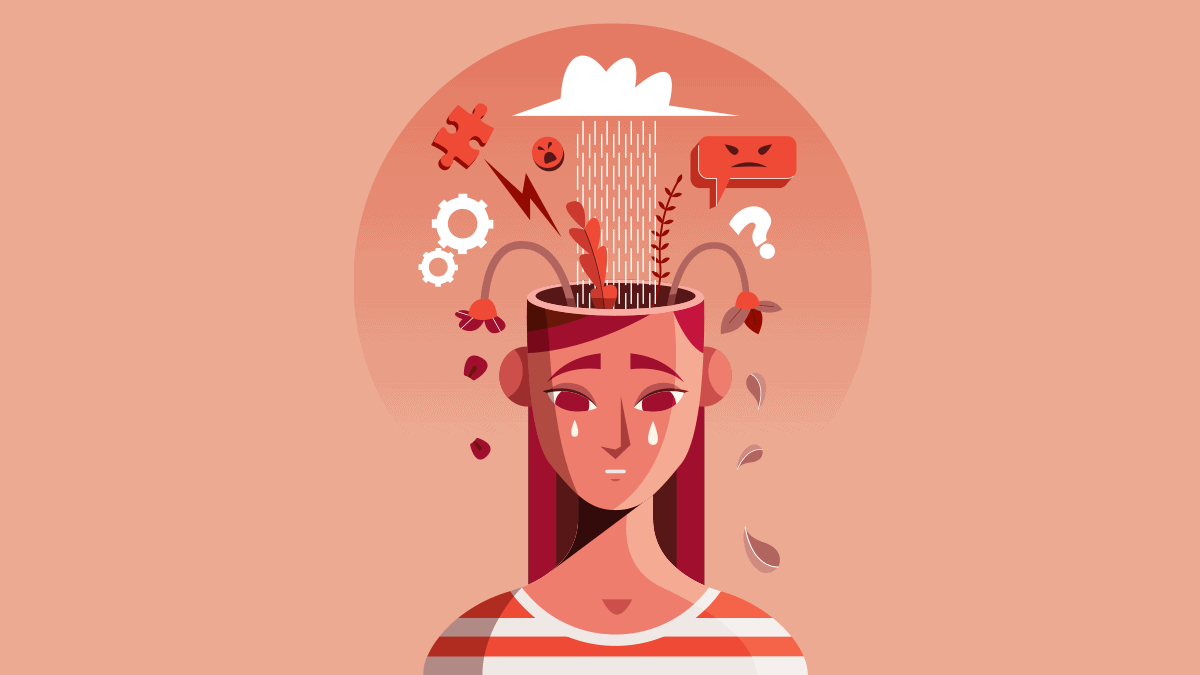
Discover the causes and symptoms of depression and modern treatment methods with Dr. Mervat Youssef El-Qadi in Gesr El Suez. Specialized psychological counseling, behavioral therapy, speech therapy, and psychological rehabilitation services for children, adolescents, and adults in Cairo.
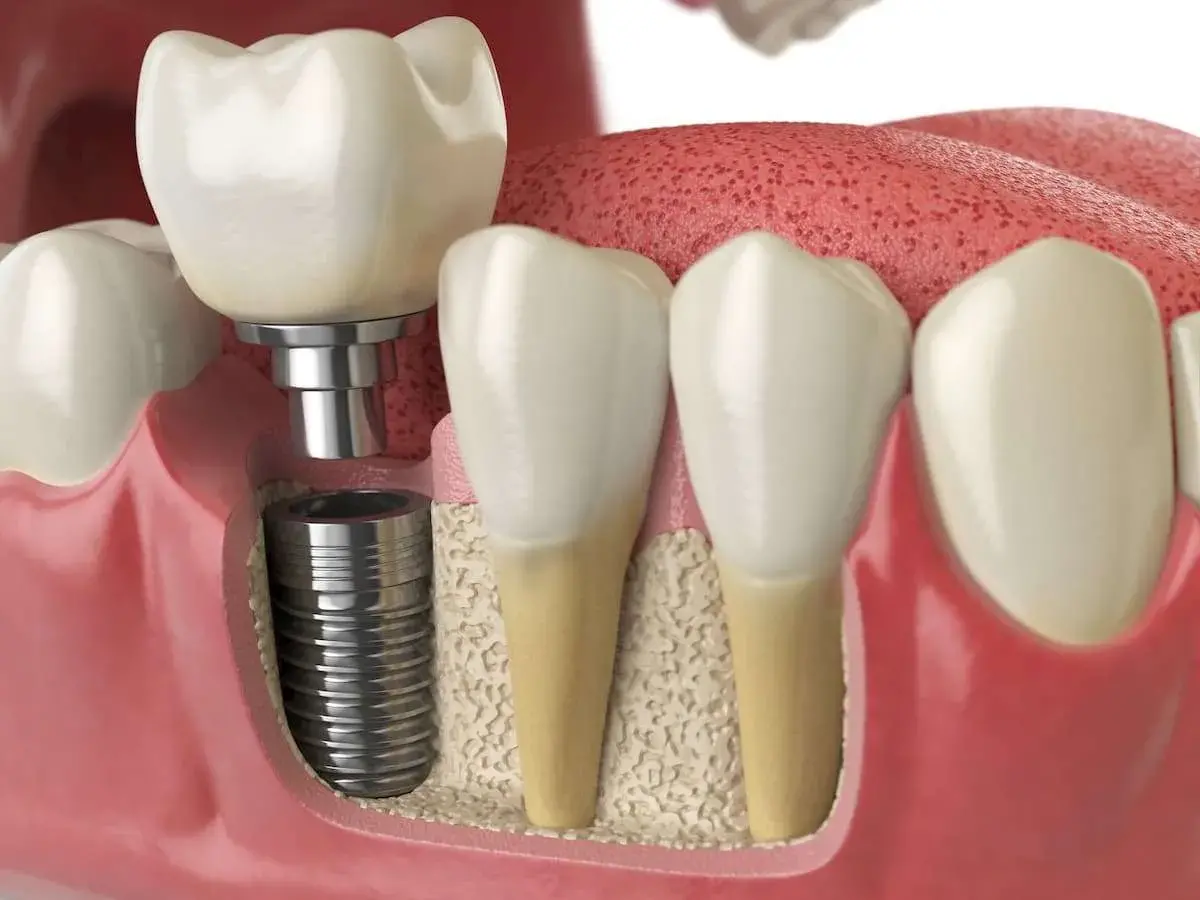
Learn the difference between immediate and traditional dental implants with Dr. Abdelmagid Nabil in Giza, and discover the advantages, disadvantages, and the best option for your dental condition to restore a natural and confident smile.

Dr. Rehab Helmy offers premarital and newlywed counseling sessions in Giza and Haram to help couples build healthy, stable relationships based on communication, understanding, and emotional support.
