

👶 Inguinal Hernia in Children: Symptoms and When Does a Child Need Treatment? | Dr. Mohamed Tolba
If you notice a swelling or lump in your child’s groin area or upper scrotum, especially if it appears when the child cries, coughs, or moves and disappears when they calm down, the cause may be an inguinal hernia.
An inguinal hernia is a condition that may occur in children and may not cause obvious symptoms at first. However, recurring swelling in the groin or scrotal area should be medically evaluated to determine the cause and the appropriate approach.
You can contact Dr. Mohamed Tolba to book an appointment, have your child examined, and discuss the symptoms.
📞 For appointments and inquiries:
01500600048
01009368299
📍 Ismailia – Ring Road, next to Flames Restaurant and Al-Majed Mosque.
🔎 What Is an Inguinal Hernia in Children?
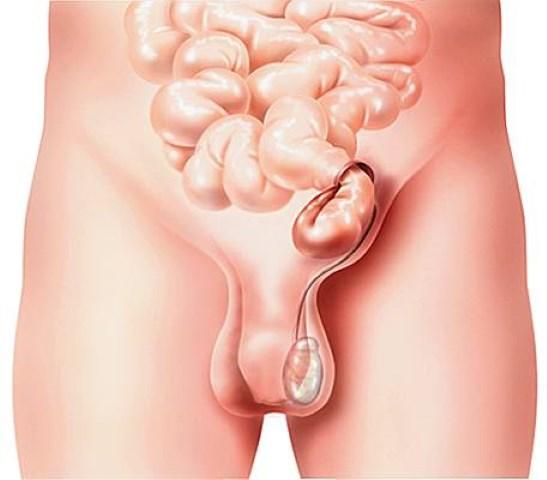
An inguinal hernia occurs when tissue or part of the intestine protrudes through a weak area or opening in the abdominal wall in the groin region.
It may appear as a swelling or lump in the upper thigh or groin area and, in some boys, may extend into the scrotum.
The way an inguinal hernia appears can vary from one child to another, so proper medical evaluation is important for diagnosis.
👶 Why Does an Inguinal Hernia Occur in Children?
An inguinal hernia in children may be related to incomplete closure of a passage in the groin area during development before birth.
For this reason, a hernia may appear at an early age and may become more noticeable when the child cries, coughs, or experiences increased pressure inside the abdomen.
An inguinal hernia is not necessarily caused by something the child did, so parents should not blame the child or consider the condition the result of a particular behavior.
🩺 What Are the Symptoms of an Inguinal Hernia in Children?
Symptoms may vary depending on the child’s age and the size of the hernia. Possible signs include:
- A swelling in the upper thigh or groin area.
- A lump in the groin.
- Swelling in the scrotum in some boys.
- The swelling becoming more noticeable when the child cries or coughs.
- The swelling appearing during movement or physical activity.
- The swelling disappearing when the child calms down or lies down.
Some children may not experience noticeable pain, so the absence of pain does not necessarily mean that there is no hernia.
👀 Why Does the Swelling Sometimes Appear and Disappear?
One of the signs that may lead parents to notice an inguinal hernia is that the swelling may not be present all the time.
It may appear when the child cries, coughs, or strains and then become smaller or disappear when the child lies down or relaxes.
This information can be useful when describing the condition to the doctor. Parents should therefore note when the swelling appears and whether its size changes.
If possible, taking a picture of the swelling when it is clearly visible may help the doctor understand what the parents have observed, although medical examination remains essential for evaluation.
⚠️ Does an Inguinal Hernia Always Cause Pain?
Not necessarily.
Some children may not experience noticeable pain, while others may have discomfort or pain, particularly if the hernia becomes more prominent or complications affect its contents.
Therefore, the presence or absence of pain alone should not be used to determine the importance of the condition.
🚨 When Does a Child Need Prompt Medical Evaluation?
If a new or recurring swelling appears in the groin or scrotal area, the child should be medically evaluated to determine the cause.
Prompt medical attention is particularly important if the swelling is:
- Clearly painful.
- Swollen or firm.
- Not disappearing as it previously did.
- Accompanied by vomiting.
- Accompanied by severe abdominal pain.
- Associated with a noticeable deterioration in the child’s condition.
These signs may indicate a problem that requires urgent medical assessment.
🩻 How Is an Inguinal Hernia Diagnosed in Children?
Diagnosis usually begins by understanding the symptoms and when the swelling appears, followed by a physical examination.
In many cases, the doctor may be able to diagnose an inguinal hernia through clinical examination. Additional tests may sometimes be needed if the diagnosis is unclear.
The appropriate examination depends on the child’s age, symptoms, and physical examination findings.
🏥 Does an Inguinal Hernia in Children Require Surgery?
In many cases, children with an inguinal hernia require surgical evaluation to determine the appropriate treatment approach.
The need for intervention and its timing cannot be determined based on the presence of swelling alone. The decision depends on the child’s condition, age, symptoms, characteristics of the hernia, and examination findings.
Therefore, it is preferable not to postpone medical evaluation simply because the swelling temporarily disappears.
❓ Can an Inguinal Hernia Disappear on Its Own?
The swelling may temporarily disappear or may not be visible all the time, but this does not necessarily mean that the underlying problem has gone away.
The hernia may become noticeable again under different circumstances. Therefore, temporary disappearance of the lump does not replace medical evaluation when there are recurring signs of an inguinal hernia.
👨👩👦 What Should Parents Do If They Notice an Inguinal Hernia?
If you notice a recurring lump or swelling in your child’s groin area, it can be helpful to record some details before visiting the doctor, such as:
- When does the swelling appear?
- Does it appear when the child cries or coughs?
- Does it disappear when the child calms down?
- Does it cause pain?
- Is there swelling in the scrotum?
- Are there other symptoms such as vomiting or abdominal pain?
This information can help the doctor develop a clearer understanding of the child’s condition.
👨⚕️ Dr. Mohamed Tolba for Inguinal Hernia Evaluation in Children in Ismailia
If you notice recurring swelling in your child’s groin or upper thigh area, or swelling in the scrotum, it is preferable to have the child medically evaluated rather than relying on observation alone.
You can contact Dr. Mohamed Tolba to book an appointment, discuss the symptoms, examine the child, and determine the appropriate next step based on the child’s condition.
📞 For appointments and inquiries:
01500600048
01009368299
📍 Dr. Mohamed Tolba Clinic Location in Ismailia
The clinic is located at:
📍 Ismailia – Ring Road – next to Flames Restaurant and Al-Majed Mosque.
The clinic’s location provides convenient access from different areas of Ismailia Governorate and the Canal cities.
⏰ Dr. Mohamed Tolba Clinic Hours
Working Days:
Saturday – Monday – Thursday
Clinic Hours:
From 7:00 PM to 9:00 PM
📌 Please book an appointment in advance before visiting the clinic to organize appointments.
📞 Book an Appointment for Your Child
If you notice a recurring lump or swelling in your child’s groin or upper thigh area, do not ignore it even if the swelling sometimes disappears.
You can contact Dr. Mohamed Tolba to book an appointment, have your child examined, and discuss the condition.
📍 Ismailia – Ring Road – next to Flames Restaurant and Al-Majed Mosque.
This article is provided for general educational purposes and does not replace a medical examination. Inguinal hernias can vary from one child to another, and determining the diagnosis and appropriate treatment requires an individual evaluation.