
Insulin Resistance and Obesity: Causes, Symptoms, and Treatment | Dr. Youssef Mohamed Khadr
Insulin resistance is one of the most common health issues today, and it is closely linked to weight gain and obesity. Many people struggle with gaining weight despite dieting or reducing food intake, and the hidden reason in many cases is a problem with how the body responds to insulin.
In this article, Dr. Youssef Mohamed Khadr explains everything you need to know about insulin resistance and its relationship with obesity, including causes, symptoms, and the latest treatment methods.
What is Insulin Resistance?
Insulin resistance is a condition in which the body becomes less effective at using the hormone insulin.
Insulin is a hormone produced by the pancreas, and its main function is:
Allowing glucose (sugar) to enter cells
Using glucose as a source of energy
However, when insulin resistance occurs:
Cells do not respond properly to insulin
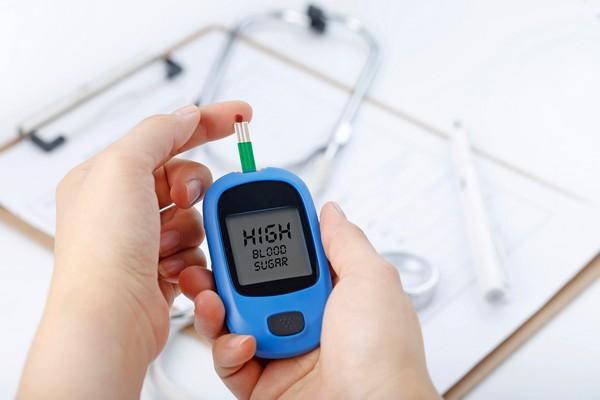
Blood sugar levels remain high
The body produces more insulin to compensate
This is where the real problem begins.
The Relationship Between Insulin Resistance and Weight Gain
The relationship between insulin resistance and weight gain is strong and direct, as:
1. Increased Fat Storage
When insulin levels are high:
Fat is stored instead of being burned
Especially in the abdominal area
2. Increased Hunger
High insulin levels disrupt hunger signals
You feel hungry quickly even after eating
3. Difficulty Losing Weight
Even with dieting:
The body resists fat loss
It prefers storing energy as fat
Symptoms of Insulin Resistance
At first, there may be no clear symptoms, but over time, signs begin to appear:
Weight gain, especially around the abdomen
Constant hunger
Fatigue and exhaustion
Darkened skin in areas such as the neck and underarms
Difficulty losing weight
Craving sugary foods
Complications of Insulin Resistance
If left untreated, it can lead to serious health problems such as:
1. Type 2 Diabetes
Insulin resistance is a major cause of diabetes.
2. Heart Diseases
High blood pressure
High cholesterol
3. Fatty Liver
Known as non-alcoholic fatty liver disease
4. Hormonal Disorders
Especially in women
How is Insulin Resistance Diagnosed?
Diagnosis is done through:
1. Blood Sugar Test
Fasting and post-meal
2. Insulin Test
To measure insulin levels in the body
3. HOMA-IR Index
To assess the level of insulin resistance
4. Clinical Examination
Observing fat distribution and symptoms
Treatment of Insulin Resistance and Weight Gain
Treatment mainly depends on lifestyle changes, and in some cases, medications are used.
First: Diet Modification
Key Tips:
Reduce sugars and refined carbohydrates
Eat adequate protein
Increase fiber (vegetables and fruits)
Drink enough water
Healthy Foods:
Leafy greens
Whole grains
Nuts
Healthy fats like olive oil
Second: Exercise
Exercise is one of the most important factors in improving insulin sensitivity:
Walking daily for 30 minutes
Resistance training
Cardio exercises
Third: Weight Loss
Losing even 5–10% of body weight can:
Greatly improve insulin sensitivity
Reduce the risk of diabetes
Fourth: Medications (If Needed)
In some cases, a doctor may prescribe medications such as:
Insulin-sensitizing drugs
Blood sugar regulating medications
⚠️ Medications should only be taken under medical supervision.
Important Prevention Tips
Maintain a healthy weight
Exercise regularly
Avoid excessive sugar intake
Get good sleep
Reduce stress
Can Insulin Resistance Be Reversed?
Yes, in many cases it can be:
Significantly improved
Even reversed to normal
This can be achieved through:
Following a healthy lifestyle
Regular medical follow-up
When Should You See a Doctor?
You should consult a doctor if you experience:
Unexplained weight gain
Difficulty losing weight
Symptoms like extreme fatigue or skin darkening
A family history of diabetes
The Doctor’s Role in Treatment
Dr. Youssef Mohamed Khadr emphasizes that early diagnosis is the key to successful treatment, as it helps:
Prevent progression to diabetes
Improve quality of life
Achieve a healthy weight safely
Contact Information
📞 Phone: 01008537322
📍 Address:
Desouk – First Abdelaziz Street – In front of El Salam Pharmacy – Next to El Mesilhy Garage – First Floor (Upper), Kafr El Sheikh
Conclusion
Insulin resistance is not just a blood sugar issue; it is a hidden cause behind weight gain and difficulty losing weight. Understanding and managing this condition properly can make a significant difference in your overall health.
Following a healthy diet, exercising regularly, and consulting a specialist like Dr. Youssef Mohamed Khadr are essential steps to control the condition and achieve a healthier life.