Internal Medicine Specialty: The Comprehensive Guide to Understanding Internal Diseases, Diagnosis, and Modern Treatment Methods
Internal Medicine is one of the most important core medical specialties that focuses on diagnosing and treating diseases affecting the internal organs of the human body without surgical intervention. The internist is often the first line of care for many complex medical conditions that require a comprehensive and accurate evaluation.

🩺 Internal Medicine Specialty: The Comprehensive Guide to Understanding Internal Diseases, Diagnosis, and Modern Treatment Methods
🧠 Introduction
Internal Medicine is one of the most important core medical specialties that focuses on diagnosing and treating diseases affecting the internal organs of the human body without surgical intervention. The internist is often the first line of care for many complex medical conditions that require a comprehensive and accurate evaluation.
With the advancement of modern medicine, Internal Medicine has evolved into multiple subspecialties and relies on advanced diagnostic technologies that help in early disease detection and improve treatment outcomes.
🧬 What is Internal Medicine?
Internal Medicine is a medical branch that focuses on studying, diagnosing, and treating diseases affecting different internal body systems, including:
- Digestive system
- Respiratory system
- Cardiovascular system
- Liver and biliary system
- Kidneys and urinary system
- Endocrine disorders
- Blood and immune system diseases
🧠 Importance of Internal Medicine
Internal Medicine is essential as it serves as the foundation for diagnosing most acute and chronic diseases. Physicians carefully analyze symptoms to identify the root cause of illness.
- Comprehensive and accurate diagnosis
- Management of chronic diseases such as diabetes and hypertension
- Referral to appropriate specialties when needed
- Prevention of serious complications
🦠 Most Common Internal Medicine Diseases
🍽️ Digestive System Diseases
- Gastritis
- Stomach ulcers
- Irritable bowel syndrome (IBS)
- Gastroesophageal reflux disease (GERD)
❤️ Cardiovascular Diseases
- High blood pressure (Hypertension)
- Heart failure
- Atherosclerosis
🫁 Respiratory System Diseases
- Asthma
- Bronchitis
- Pneumonia
🧬 Kidney Diseases
- Kidney failure
- Kidney stones
- Urinary tract infections
🧪 Endocrine Disorders
- Diabetes mellitus
- Thyroid disorders
🧪 Diagnostic Methods in Internal Medicine
Internists rely on several diagnostic tools, including:
- Clinical examination
- Blood and urine tests
- X-rays
- Ultrasound imaging
- CT scans and MRI
💊 Treatment Methods for Internal Diseases
💊 Medical Treatment
Includes medications such as antibiotics, antihypertensive drugs, and diabetes medications.
🥗 Dietary Therapy
Nutrition plays a major role in managing diseases like diabetes and IBS.
🏃♂️ Lifestyle Modifications
Exercise, stress reduction, and proper sleep significantly improve overall health.
🏥 Medical Interventions
In advanced cases, specialized procedures or hospital interventions may be required.
⚠️ When to Visit an Internist?
- Persistent abdominal or chest pain
- Continuous high fever
- Unexplained weight loss
- Severe fatigue
- Digestive or respiratory problems
🧠 Internal Medicine and Overall Health
Internal Medicine plays a crucial role in maintaining overall body health, as many chronic diseases begin with mild symptoms that can be detected early by an internist.
🧬 Prevention Tips for Internal Diseases
- Maintain a balanced and healthy diet
- Exercise regularly
- Drink enough water
- Avoid smoking
- Regular medical check-ups
🧾 Conclusion
Internal Medicine is one of the most important medical specialties, serving as the first line of defense in diagnosing and treating a wide range of internal diseases. With continuous medical advancements, diseases can now be diagnosed more quickly and accurately, improving patients’ quality of life and reducing complications.

هل تختار زراعة الأسنان أم التركيبات؟ يوضح د. محمد عصفور أن الزراعة هي الخيار الأول إذا كانت حالتك تسمح، لأنها الأقرب للسن الطبيعي من حيث الشكل والوظيفة والعمر الافتراضي.
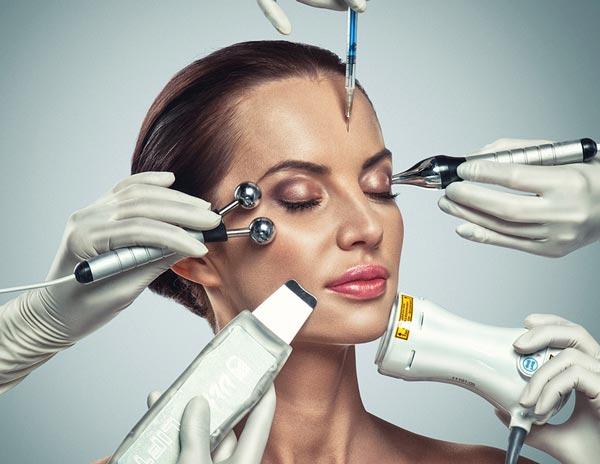
Cosmetic medicine is one of the fastest-growing fields in modern medicine, combining medical science with aesthetic care to enhance skin and body appearance using advanced surgical and non-surgical techniques. This article provides a comprehensive guide to the most common cosmetic procedures such as fillers, Botox, laser treatments, and body contouring, as well as the latest medical technologies for maintaining a youthful and healthy appearance.

The field of nutrition and weight loss is one of the most important health disciplines aimed at reducing weight in a scientific and safe way without harming the body’s health, through following balanced dietary systems and improving lifestyle habits. This article presents a comprehensive guide to the best weight loss methods, fat-burning techniques, and the latest scientific trends in nutrition, along with effective tips to reach and maintain an ideal body weight in a healthy and sustainable way.

Neurology is considered one of the most important medical specialties, focusing on the study, diagnosis, and treatment of diseases of the central and peripheral nervous system, including the brain, spinal cord, and nerves. This article provides a comprehensive guide to the most common neurological diseases such as stroke, epilepsy, Alzheimer’s disease, and Parkinson’s disease, in addition to the latest diagnostic and treatment methods and advanced medical technologies aimed at maintaining nervous system health and improving quality of life.
