Is Chest Pain Always Serious? Causes, Warning Signs, and When to Seek Help
Chest pain is one of the symptoms that immediately causes concern, as it may be associated with serious conditions like heart disease. However, not all chest pain is dangerous—it can sometimes result from simple causes such as muscle strain or digestive issues.

Is Chest Pain Always Serious? Causes, Warning Signs, and When to Seek Help
Chest pain is one of the symptoms that immediately causes concern, as it may be associated with serious conditions like heart disease. However, not all chest pain is dangerous—it can sometimes result from simple causes such as muscle strain or digestive issues.
In this simplified medical article, we answer the question: Is chest pain always serious? We’ll explain the different causes, how to distinguish between mild and serious pain, and when you should seek medical attention immediately.
Is Chest Pain Always Serious?
The short answer: No, chest pain is not always serious.
However, some types of chest pain may indicate serious conditions such as angina or a heart attack, so it should never be ignored—especially if it is severe or recurring.
Common Non-Serious Causes of Chest Pain
In many cases, chest pain is caused by simple and temporary issues, such as:
- Muscle strain or inflammation in the chest
- Acid reflux or heartburn
- Anxiety and stress
- Gas and bloating
👉 These conditions usually improve with rest or simple treatment.
Serious Causes of Chest Pain
In some cases, chest pain may be a sign of a serious medical condition, such as:
- Heart diseases (such as angina)
- Heart attack
- Pulmonary embolism
- Pericarditis (inflammation around the heart)
👉 These conditions require immediate medical attention.
How to Tell the Difference Between Serious and Mild Chest Pain
🔴 Signs of Serious Chest Pain:
- Severe or ضغط-like pain in the center of the chest
- Pain spreading to the arm, shoulder, or jaw
- Shortness of breath
- Sudden excessive sweating
- Nausea or dizziness
🟢 Signs of Mild Chest Pain:
- Pain that increases with movement or pressure
- Pain related to food or acidity
- Pain that disappears quickly or changes location
When Should You Seek Medical Help Immediately?
You should go to the emergency room immediately if:
- The pain lasts more than a few minutes
- The pain is severe or sudden
- It is accompanied by shortness of breath
- There is sweating or fainting
👉 Do not try to diagnose yourself in these cases.
Common Causes in Young People
Among younger individuals, chest pain is often caused by:
- Stress and anxiety
- Muscle strain
- Unhealthy lifestyle habits
👉 However, serious causes should still be ruled out if the pain is recurring.
How to Deal with Chest Pain
- Rest and avoid physical exertion
- Monitor accompanying symptoms
- Try to reduce stress
- Avoid taking medication without medical advice
❓ Frequently Asked Questions (FAQ)
Does chest pain always mean a heart problem?
No, it can be caused by muscles or digestive issues, but recurring pain should be evaluated.
Can anxiety cause chest pain?
Yes, anxiety and stress are common causes of chest pain.
How long does normal chest pain last?
It is usually temporary and disappears within minutes or hours.
Can chest pain be ignored?
No, especially if it is severe or happens repeatedly.
🧾 Conclusion
The answer to “Is chest pain always serious?” is no—but it is a symptom that should never be taken lightly, as some causes may be life-threatening.
👉 Early diagnosis is the best way to stay safe and protect your heart health.
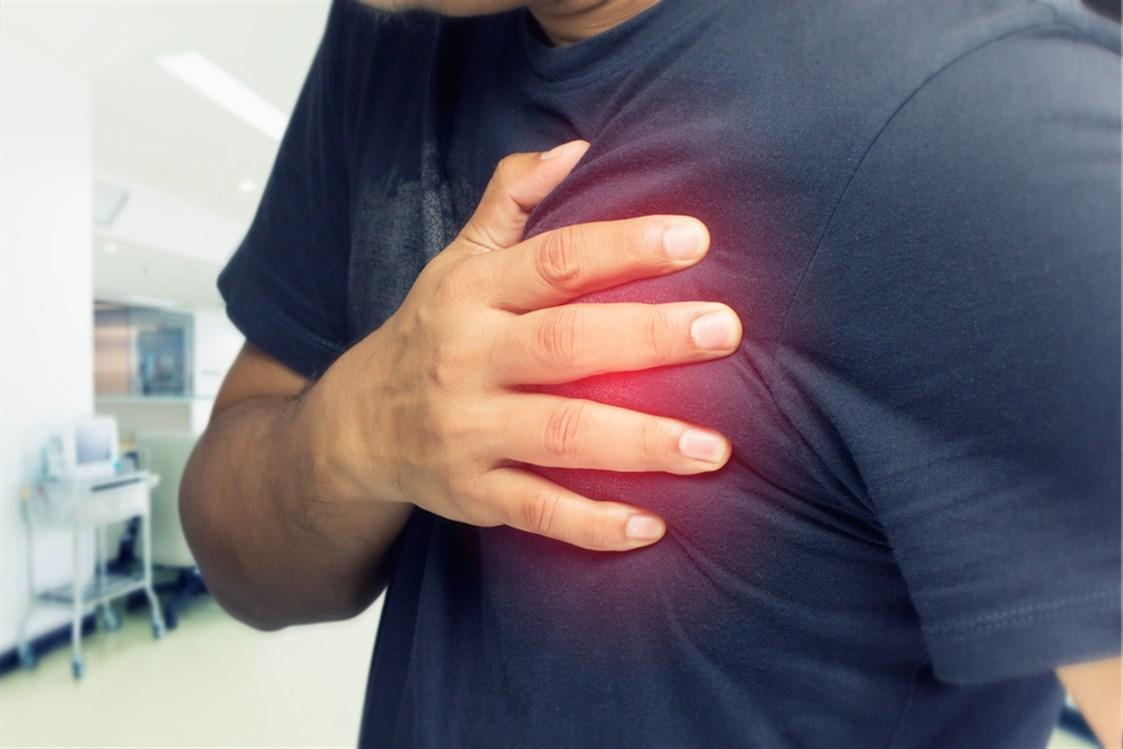
The difference between angina and heart attack is one of the most concerning topics for many people, as both conditions are associated with chest pain and may seem similar at first. However, there is a major difference in severity, cause, and treatment.
An ECG (Electrocardiogram) is one of the most important medical tests used to evaluate heart health and detect abnormalities in heart rhythm or heart muscle function.

Choosing the best diet for heart patients is one of the most important steps to maintain heart health and reduce the risk of complications such as heart attacks and high blood pressure. Diet does not only affect weight but also plays a major role in improving heart and blood vessel function.
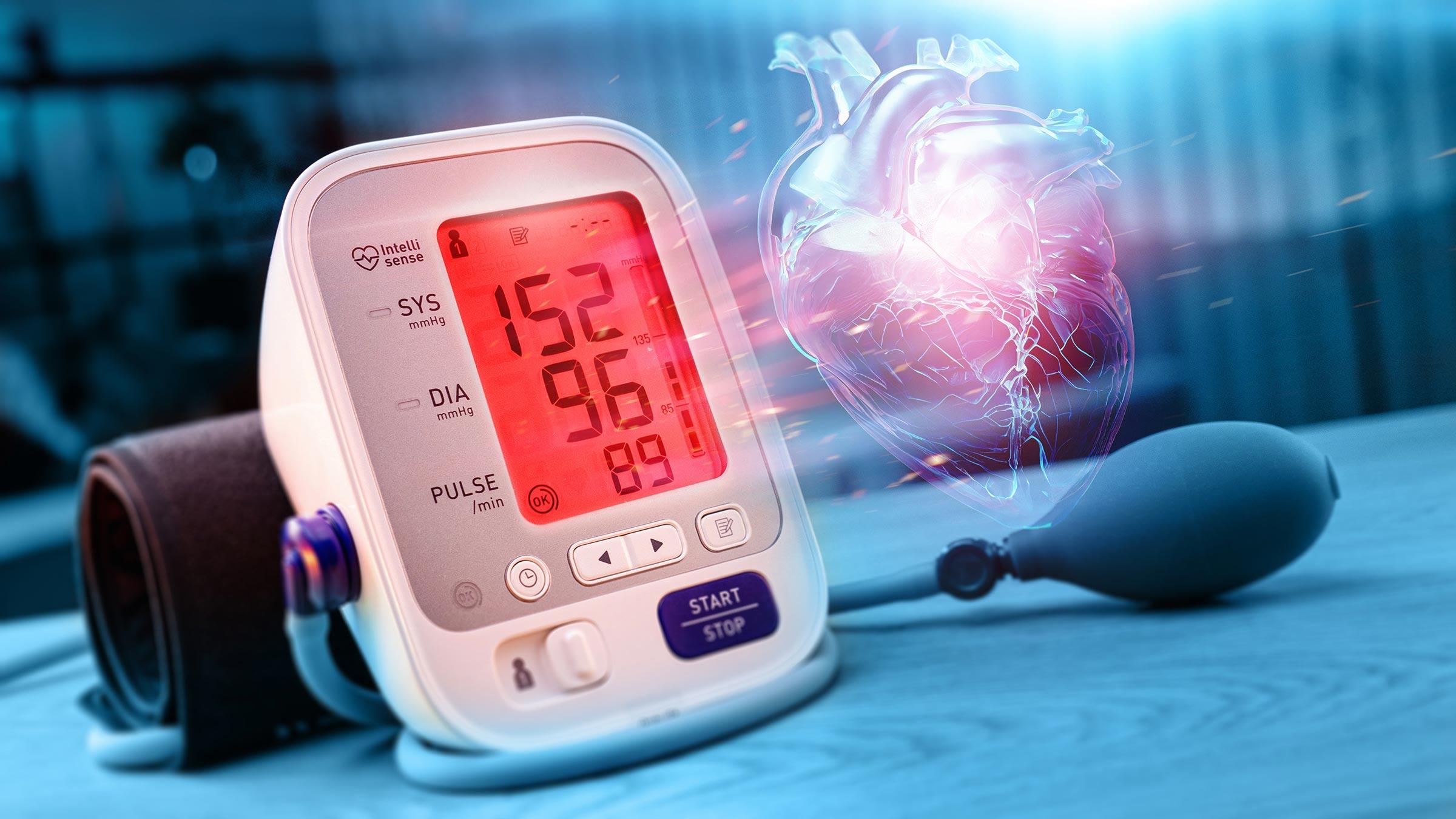
High blood pressure is one of the most common health conditions worldwide. It is often called the “silent killer” because it may not show clear symptoms in its early stages, yet it can lead to serious complications if left untreated.
