
What Is Jaw and Teeth Misalignment?
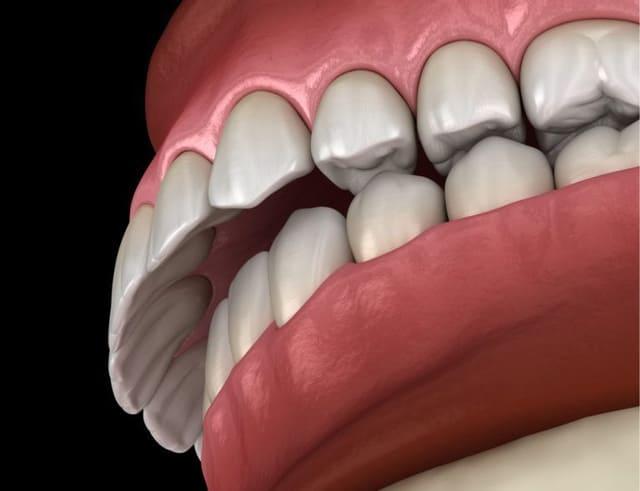
Jaw and teeth misalignment can appear in different forms and degrees. In some cases, the problem is mainly related to the position of the teeth, while in others it may involve the position, size, or growth of the upper and lower jaws.
Some patients may have noticeable jaw asymmetry, while others may mainly experience crowded teeth, spaces between teeth, or an irregular bite.
For this reason, treatment should not be based on the appearance of the teeth alone. A proper assessment is needed to determine the source and severity of the problem.
If you notice significant irregularity in your teeth or jaw position, you can schedule a consultation with Dr. Mohamed Mahmoud Abdel Razek to evaluate your condition and discuss suitable treatment options.
📞 For appointments and inquiries:
01144966663
💬 WhatsApp:
01144966663
What Causes Jaw and Teeth Misalignment?
The causes vary from one patient to another and may include:
- Genetic factors and jaw growth patterns.
- A mismatch between jaw size and tooth size.
- Missing teeth or early tooth loss.
- Certain oral habits that may affect dental and jaw development.
- Crowded or widely spaced teeth.
- Differences in the growth of the upper and lower jaws.
- Conditions affecting the way the upper and lower teeth meet.
Therefore, identifying the underlying cause is an important part of treatment.
How Can I Know If the Problem Is in My Jaw or Teeth?
Certain signs may suggest that the problem involves the relationship between the jaws, such as an abnormal bite, difficulty closing the mouth comfortably, or noticeable facial asymmetry.
Some patients may also experience difficulty chewing or notice changes in their smile or facial appearance.
However, these signs do not automatically mean that surgery is required. A professional examination is necessary to determine the exact nature of the condition.
Is Jaw Misalignment Different From Teeth Misalignment?
Yes.
Teeth misalignment may involve crowded, rotated, or spaced teeth, while jaw misalignment may be related to the size, position, or growth of one or both jaws.
In some patients, dental and jaw problems occur together, which may require a treatment plan addressing more than one aspect.
This is why an accurate diagnosis is essential before treatment begins.
How Is Jaw and Teeth Misalignment Diagnosed?
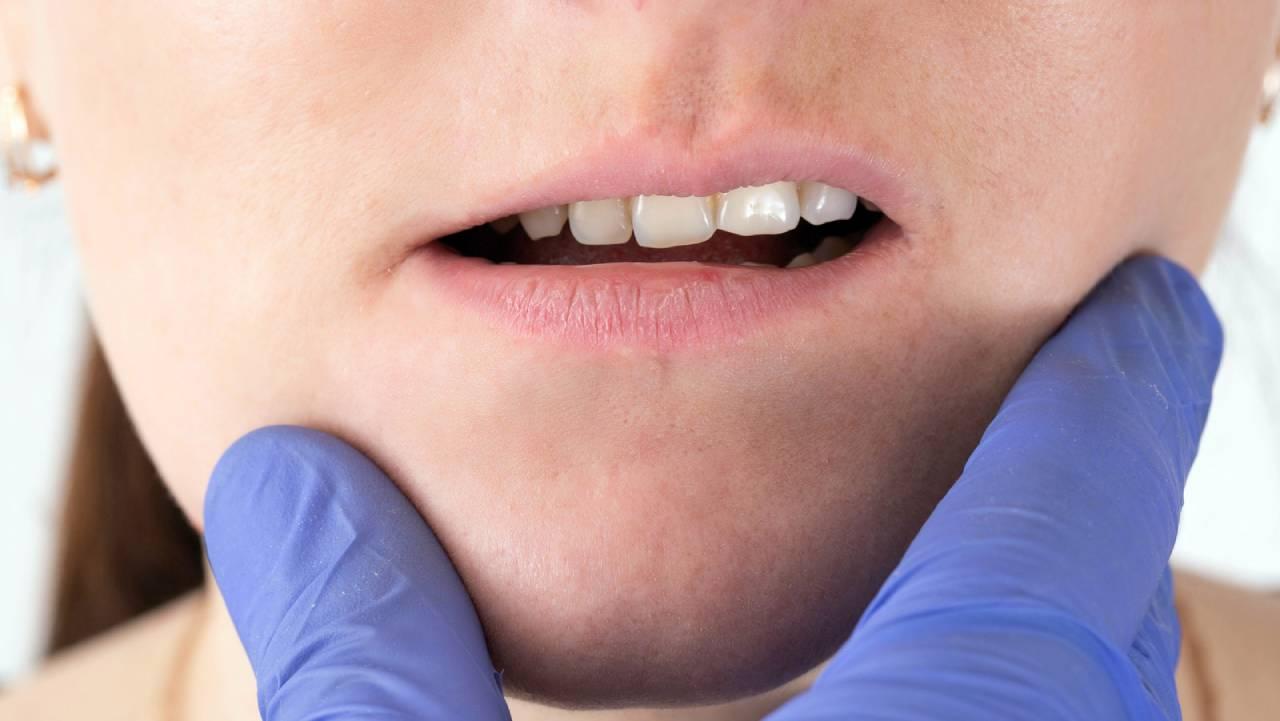
Diagnosis usually begins with an examination of the teeth and jaws, including an assessment of the bite, facial structure, and jaw movement.
Depending on the case, the doctor may also recommend dental X-rays or other diagnostic tools to evaluate the teeth and jaws in greater detail.
The treatment plan can then be developed according to the patient's age, severity of the problem, dental and jaw condition, and treatment goals.
What Are the Treatment Options?
There is no single treatment method suitable for every case.
When the problem is mainly related to dental alignment or crowding, orthodontic treatment may be an appropriate option depending on the patient's condition.
When the problem involves the relationship or growth of the jaws, a more specialized treatment plan may be required.
In more complex cases involving significant skeletal jaw discrepancies, additional treatment options may be discussed after a complete assessment.
The appropriate approach can only be determined after diagnosis and the necessary examinations.
Can Treatment Improve Facial Appearance?
Improving the relationship between the teeth and jaws may improve the appearance of the smile and, in some cases, facial balance.
However, the degree of change varies according to the cause and severity of the problem and the treatment used.
For this reason, treatment goals and expectations should be discussed during the consultation.
When Should You See a Specialist?
A professional evaluation is recommended when you experience:
- Significant dental crowding or irregularity.
- Difficulty closing the mouth or chewing.
- An abnormal bite.
- Noticeable changes in jaw position or facial symmetry.
- Significant changes in the appearance of the smile.
- Recurrent pain or problems with jaw movement.
Early assessment can help identify the underlying problem and determine the available treatment options.
Dr. Mohamed Mahmoud Abdel Razek in New Cairo
If you are looking for jaw and teeth misalignment treatment in New Cairo, you can contact Dr. Mohamed Mahmoud Abdel Razek for an evaluation and a discussion of the appropriate treatment plan.
📍 Location:
Ozone Medical Mall – New Cairo
Additional branches are available in:
📍 Cairo
📍 Alexandria
📍 Assiut
📍 Sohag
📍 Qena
📞 For appointments and inquiries:
01144966663
💬 WhatsApp:
01144966663
Does every case of crooked teeth require orthodontic treatment?
Not necessarily. Treatment depends on the cause and severity of the misalignment, as well as the patient's age and the condition of the teeth and jaws.
Can jaw misalignment be treated without surgery?
This depends on the type and severity of the jaw problem. Some cases may be managed with orthodontic approaches, while other cases may require different treatment options.
Can jaw misalignment affect chewing?
An irregular relationship between the jaws and teeth may affect chewing in some cases, although the degree of impact varies.
Can treatment improve the appearance of the smile?
Treatment may improve dental alignment, bite, and smile appearance, and in some cases may also contribute to improved facial balance.
When should I seek a specialist evaluation?
An evaluation is recommended when there is significant crowding, an abnormal bite, difficulty chewing, or noticeable changes in jaw position or facial symmetry.
Jaw and teeth misalignment can have different causes and may affect each patient differently. The problem may involve the teeth, the jaws, or both.
Accurate diagnosis is therefore the first step toward choosing an appropriate treatment plan based on the patient's condition and goals.
To schedule a consultation with Dr. Mohamed Mahmoud Abdel Razek:
📍 Ozone Medical Mall – New Cairo
📞 01144966663
💬 WhatsApp: 01144966663