

Joint and Nerve Pain Treatment in 6th of October City | Pain Management Clinic – Dr. Mohamed Yousry
Introduction
Joint and nerve pain can affect movement, sleep, and the ability to carry out everyday activities. Symptoms may range from mild pain during movement to persistent chronic pain that makes routine tasks difficult. Dr. Mohamed Yousry at the Pain Management Clinic, Mehwar Hospital, provides a point of contact for inquiries about assessing these conditions and discussing available medical options. Treatment depends on identifying the source of the pain, understanding whether joints or nerves are affected, and developing a plan suited to each patient's health and individual needs.
Pain Management Clinic – Dr. Mohamed Yousry: Contact Information
📍 Address: Pain Management Clinic, Mehwar Hospital, Second Block, Eastern Extensions, 26th of July Corridor, 6th of October City, Giza, Egypt.
📞 For appointments: 01001689392
💬 Book or inquire via WhatsApp
What Is Joint and Nerve Pain Management?
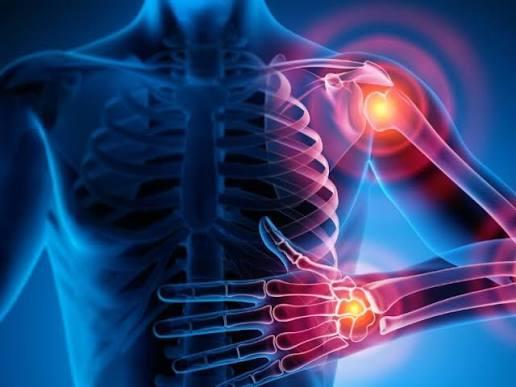
Joint and nerve pain management includes medical approaches aimed at identifying the source of pain, reducing its severity, and improving a person's ability to move and perform daily activities.
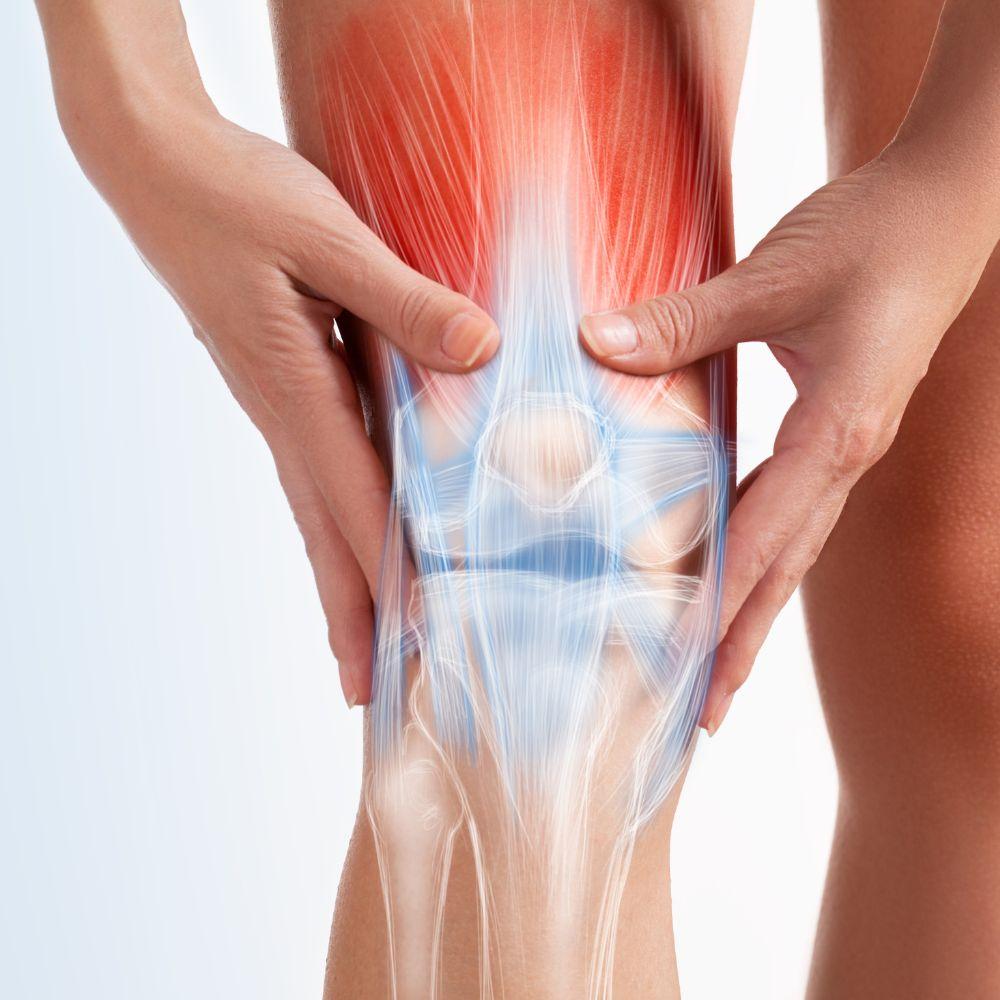
Pain varies according to the affected tissues. Joint pain may result from osteoarthritis, inflammation, or injury, while nerve pain may be caused by nerve irritation, compression, or impaired nerve function.
Distinguishing between these types of pain is important because joint pain and neuropathic pain may require different treatment approaches. Some patients may experience both, making careful medical assessment especially important.
What Causes Joint Pain?
Several conditions can lead to pain, stiffness, or swelling in the joints. The underlying cause varies according to age, health, and daily activity.
Common causes include:
-
Osteoarthritis: Gradual changes in cartilage and surrounding tissues may cause pain, stiffness, and difficulty moving the joint.
-
Inflammatory arthritis: Inflammatory or autoimmune conditions may affect joints and cause pain and swelling.
-
Injuries: These may include sprains, ligament or cartilage tears, and sports injuries.
-
Tendon and surrounding tissue inflammation: This may cause pain that increases with movement or pressure on the affected area.
-
Gout: It may cause sudden attacks of severe pain, redness, and swelling, particularly in the joint of the big toe.
-
Repeated strain: Repetitive use or excessive loading of a joint may contribute to pain.
The location of the pain alone is not enough to establish a diagnosis. Different conditions can produce similar symptoms, so an examination and medical history are important.
What Are Common Types of Nerve Pain?
Neuropathic pain differs from joint pain because it may result from nerve injury, irritation, or compression. It can feel like burning, tingling, numbness, or electric shocks.
Conditions associated with nerve pain include:
Peripheral Neuropathy
This occurs when nerves outside the brain and spinal cord are affected. Symptoms may include numbness, tingling, or burning sensations, particularly in the feet and hands.
Possible causes include diabetes, certain vitamin deficiencies, some medications, and other medical conditions.
Sciatica
Sciatica commonly results from irritation or compression involving the sciatic nerve or its nerve roots. Pain may begin in the lower back and travel through the buttock and leg. Tingling or numbness may also occur.
Nerve Compression
Certain nerves may become compressed in specific areas of the body. For example, compression of the median nerve at the wrist in carpal tunnel syndrome may cause pain or numbness in the hand and fingers.
Nerve Pain Related to Spinal Conditions
Some disc problems or changes in the spine may place pressure on nearby nerves. This can cause pain that travels into the arm or leg, depending on the affected nerve.
How Can You Distinguish Joint Pain from Nerve Pain?
The way pain feels and the circumstances in which it occurs can help guide the assessment, although a medical examination is still needed to identify the cause.
Joint pain is often associated with movement or weight-bearing and may occur with stiffness, swelling, or reduced range of motion.
Nerve pain may feel like burning, tingling, numbness, or electric shocks and may travel along the path of an affected nerve.
However, symptoms can overlap. Some spinal conditions affect nearby nerves and structures, while certain medical conditions may cause more than one type of pain at the same time.
How Are Joint and Nerve Pain Diagnosed?
Diagnosis usually begins with reviewing symptoms and medical history and performing a clinical examination. The assessment considers where the pain occurs, how long it has lasted, how severe it is, and what makes it better or worse.
Depending on the condition, the doctor may recommend investigations such as:
-
X-rays: To assess bones, joint changes, and certain injuries.
-
MRI scans: To examine cartilage, ligaments, soft tissues, and some spinal conditions.
-
Blood tests: When inflammation, autoimmune disease, or certain deficiencies are suspected.
-
Nerve conduction studies and electromyography: These may be used to evaluate nerve and muscle function in selected cases.
Not every patient needs all of these tests. The investigations are selected according to the initial assessment.
What Are the Treatment Options for Joint Pain?
Treatment depends on the underlying cause and how much the condition affects joint function. More than one approach may be used to achieve improvement.
Medication
A doctor may prescribe medication to reduce pain or inflammation. The choice depends on the patient's medical condition and other medicines being used.
Physical Therapy and Therapeutic Exercise
Appropriate exercises can strengthen the muscles around a joint and improve flexibility and range of motion. Therapeutic exercise may be an important part of managing osteoarthritis and certain injuries.
Lifestyle Adjustments
Weight management, adapting daily activities, and avoiding repeated strain may help reduce pressure on the joints and support mobility.
Interventional Procedures
Procedures such as joint injections or targeted pain-relief interventions may be considered in selected cases when appropriate for the diagnosis and when other measures have not provided sufficient relief.
The type of procedure and its suitability should be determined after assessment and discussion of its potential benefits and risks.
How Is Nerve Pain Treated?
Nerve pain treatment depends on identifying the affected nerve and the cause of its irritation or compression.
Depending on the condition, management may include:
-
Medications specifically used for certain types of neuropathic pain.
-
Treating an underlying condition, such as improving blood glucose control in people with diabetes.
-
Correcting a confirmed vitamin deficiency.
-
Physical therapy and movement guidance appropriate to the problem.
-
Selected nerve-targeted interventional procedures when indicated.
Ordinary painkillers alone are not suitable for every type of nerve pain. Neuropathic pain may require a different medication and treatment plan from pain caused by joint inflammation or tissue injury.
Can Joint and Nerve Pain Become Chronic?
Yes. Some pain conditions may become chronic, lasting for months or recurring over time, especially when associated with a long-term illness, persistent injury, or a condition affecting the nerves.
Persistent pain may interfere with sleep, reduce movement, and make daily activities more difficult. Treatment therefore aims not only to reduce pain but also to improve function, mobility, and quality of life.
These conditions may require regular follow-up to assess the response to treatment and determine whether adjustments are needed.
When Should Joint or Nerve Pain Be Assessed Urgently?
Medical assessment is recommended when pain persists, becomes more severe, or affects movement, sleep, or everyday activities.
Certain symptoms require urgent attention, including:
-
Sudden severe joint pain with swelling, warmth, and fever.
-
Inability to walk or bear weight after an injury.
-
Sudden or progressive weakness in an arm or leg.
-
Sudden loss of sensation over a significant area.
-
Back pain accompanied by loss of sensation around the genitals or anus.
-
New difficulty passing urine or loss of bladder or bowel control associated with back pain.
The last group of symptoms requires immediate emergency assessment because it may indicate serious nerve compression.
Joint and Nerve Pain Management with Dr. Mohamed Yousry in 6th of October City
If you experience joint pain, burning or numbness, or pain spreading from the back into the limbs, identifying the cause is important before selecting treatment.
You can contact Dr. Mohamed Yousry at the Pain Management Clinic, Mehwar Hospital, to inquire about assessment and medical options for managing pain according to the diagnosis and each patient's needs.
📍 Address: Pain Management Clinic, Mehwar Hospital, Second Block, Eastern Extensions, 26th of July Corridor, 6th of October City, Giza, Egypt.
📞 For appointments: 01001689392
Conclusion
Joint pain and nerve pain differ in their causes, symptoms, and treatment approaches. Some conditions may require a combination of medication, therapeutic exercise, and interventional procedures, depending on the diagnosis.
Effective pain management begins by identifying the source of the pain, assessing its impact on movement and daily life, and choosing an individualized treatment plan with appropriate follow-up.
If you are seeking assessment and treatment for joint or nerve pain in 6th of October City, you can contact the Pain Management Clinic at Mehwar Hospital with Dr. Mohamed Yousry by phone or WhatsApp.
